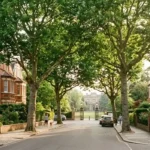

Ealing is often recognised for its beautiful public parks, elegant tree-lined streets and welcoming neighbourhoods, but there is far more to discover beyond its best-known green spaces. While destinations such as Walpole Park and Lammas Park attract many visitors, the borough is also home to hidden woodlands, peaceful riverside paths, nature reserves, meadows and lesser-known walking trails that showcase another side of West London. These quieter outdoor locations provide opportunities to experience local wildlife, seasonal landscapes and peaceful surroundings away from the busiest visitor hotspots.
For worldwide tourists looking to explore London’s greener side and local residents searching for fresh outdoor experiences, Ealing’s hidden natural destinations offer something unique throughout the year. From ancient woodland and riverside walks to elevated viewpoints and biodiversity-rich habitats, these places reveal why Ealing continues to be one of London’s greenest boroughs.
Why Explore Beyond Ealing’s Famous Parks?
Many visitors naturally head towards Ealing’s largest public parks because they are centrally located and easy to access. However, exploring beyond these popular destinations reveals a richer landscape filled with ecological diversity, historic pathways and peaceful countryside-like settings.
Hidden outdoor destinations often provide quieter walking routes, better wildlife observation opportunities and a stronger connection with local history. These spaces also demonstrate how conservation efforts have protected valuable habitats despite London’s continued urban development.
Whether your goal is photography, walking, cycling, birdwatching or simply relaxing in nature, lesser-known green spaces often deliver a more peaceful experience than the borough’s busiest parks.
Horsenden Hill Nature Reserve Offers Outstanding Natural Landscapes
Among Ealing’s hidden outdoor treasures, Horsenden Hill Nature Reserve remains one of the most rewarding destinations for anyone interested in nature and panoramic scenery. As one of the highest natural points in West London, the reserve combines open meadows, ancient woodland, grassland habitats and impressive views across the capital.
Walking trails lead visitors through changing landscapes where butterflies, wildflowers and native birds thrive throughout the year. The reserve also supports important conservation projects that protect local biodiversity while maintaining public access.
Spring transforms the hillsides with colourful blossoms and emerging wildlife. Summer brings lush green vegetation, while autumn introduces spectacular woodland colours. During winter, clearer skies often reveal long-distance views across London’s skyline.
Families appreciate the spacious environment, photographers enjoy changing light conditions and experienced walkers often include Horsenden Hill as part of longer countryside-style routes.
Brent River Park Reveals Ealing’s Hidden Riverside Beauty
Flowing quietly through the borough, the River Brent creates one of Ealing’s most attractive natural corridors. Brent River Park stretches through woodland, wetlands and open grassland, allowing visitors to experience riverside landscapes that feel surprisingly distant from the surrounding city.
Walking beside the river provides opportunities to observe swans, ducks, herons, kingfishers and seasonal birdlife. The gentle movement of the water creates a calming atmosphere, making the route popular with walkers, runners and cyclists.
Unlike busy urban parks, Brent River Park encourages slower exploration. Visitors frequently stop to admire wildlife, enjoy riverside benches or photograph reflections across the water during sunrise and sunset.
The changing seasons continually reshape the scenery, ensuring that repeat visits always offer something different.
Paradise Fields Is One of Ealing’s Best-Kept Secrets
Located near Greenford, Paradise Fields is an excellent destination for visitors looking to escape busy roads and crowded attractions. This peaceful green area consists of open meadows, woodland edges and walking paths that support diverse wildlife throughout the year.
Wildflowers flourish during spring and early summer, attracting bees, butterflies and numerous pollinating insects. Autumn introduces colourful grasses and woodland foliage, while winter creates peaceful open landscapes ideal for quiet walks.
The area remains particularly popular among local nature enthusiasts who appreciate its relaxed atmosphere and relatively low visitor numbers compared with larger parks.
Fox Wood Provides Ancient Woodland Experiences
Fox Wood offers a completely different outdoor environment from Ealing’s formal parks. This ancient woodland contains mature trees, shaded footpaths and natural habitats that have supported wildlife for generations.
Walking beneath towering oak, ash and hornbeam trees creates a peaceful woodland experience rarely associated with London. During spring, carpets of bluebells and woodland flowers brighten the forest floor, while birdsong fills the air.
Autumn transforms Fox Wood into one of the borough’s most colourful hidden destinations as golden leaves cover winding paths. The woodland also provides valuable habitat for squirrels, woodpeckers and many smaller bird species.
For visitors seeking quiet reflection, nature photography or gentle woodland walks, Fox Wood offers an authentic natural escape.
Grand Union Canal Brings Together Nature and Heritage
Although primarily known for its industrial history, the Grand Union Canal has evolved into one of Ealing’s most attractive green corridors. The canal towpaths connect multiple neighbourhoods while providing peaceful waterside scenery rich in wildlife.
Colourful narrowboats, waterside vegetation and historic bridges create picturesque surroundings that appeal to walkers and photographers alike. Swans, coots, moorhens and dragonflies are common sights during warmer months.
Cyclists often use the canal towpath to travel between Greenford, Perivale and neighbouring boroughs while enjoying traffic-free routes surrounded by nature.
The canal also demonstrates how historic transport infrastructure has become an important ecological habitat within modern London.
Perivale Wood Nature Reserve Protects Rare Wildlife Habitats
One of Britain’s oldest local nature reserves, Perivale Wood Nature Reserve offers visitors an exceptional opportunity to experience protected woodland and wetland habitats.
Although public access is limited to organised open days and guided visits, the reserve plays an important role in conserving native plants, insects and birds. Ancient woodland, ponds and seasonal wildflowers support impressive biodiversity throughout the year.
Nature enthusiasts interested in conservation frequently visit during organised events to learn more about habitat management and ecological restoration.
The reserve highlights Ealing’s commitment to preserving valuable natural environments for future generations.
The Changing Seasons Transform Every Outdoor Destination
One of the greatest advantages of exploring Ealing’s hidden natural spaces is that every season offers completely different experiences.
Spring introduces blossoming trees, fresh woodland growth and increased wildlife activity. Migratory birds return, while riverside vegetation becomes increasingly vibrant.
Summer brings long daylight hours, lush meadows and ideal conditions for walking, cycling and outdoor picnics. Butterflies, bees and dragonflies become increasingly active across nature reserves.
Autumn is especially rewarding for photographers as woodland paths become covered with colourful leaves. Cooler temperatures also make longer walks more comfortable.
Winter reveals open landscapes hidden beneath summer foliage. Frost-covered grasslands, misty riversides and bare woodland create atmospheric scenery rarely experienced during warmer months.
Walking Trails for Every Ability
Ealing’s hidden outdoor destinations cater to walkers of all experience levels.
Families with young children often enjoy shorter riverside walks through Brent River Park or canal-side paths where terrain remains relatively flat.
More adventurous walkers can combine Horsenden Hill with neighbouring green spaces to create longer circular routes featuring varied landscapes and elevated viewpoints.
Cyclists benefit from interconnected paths linking parks, canals and residential green corridors, allowing visitors to explore large parts of the borough without relying on busy roads.
Accessible pathways also make several locations suitable for visitors using wheelchairs or pushchairs, particularly around riverside routes and maintained park trails.
Wildlife You May Encounter Throughout the Year
Exploring beyond Ealing’s famous parks offers excellent opportunities to observe local wildlife.
Birdwatchers regularly spot kingfishers, grey herons, woodpeckers, robins, wrens, swans and various waterfowl depending on the habitat and season.
Woodland areas support squirrels, foxes and numerous insect species, while wildflower meadows attract butterflies including peacocks, commas and small tortoiseshells.
Dragonflies frequently appear near ponds and rivers during summer, while amphibians inhabit wetter environments within protected reserves.
Responsible visitors help preserve these habitats by remaining on designated paths, avoiding disturbance to wildlife and respecting conservation guidance.
Planning the Perfect Nature-Focused Day in Ealing
Visitors wishing to explore multiple hidden outdoor destinations can easily create a rewarding full-day itinerary.
Begin with an early morning walk through Brent River Park while wildlife is most active. Continue towards Horsenden Hill for panoramic views before enjoying lunch at a nearby café.
Spend the afternoon exploring sections of the Grand Union Canal or Paradise Fields before ending the day with a peaceful woodland walk through Fox Wood.
Public transport connections, cycling routes and well-maintained footpaths make travelling between these locations straightforward, allowing visitors to experience several distinct natural environments in a single day.
Why Ealing’s Hidden Outdoor Spaces Deserve More Recognition
Although Ealing’s famous parks continue attracting visitors from across London, the borough’s lesser-known outdoor destinations reveal an equally impressive natural landscape. Ancient woodlands, riverside habitats, canal paths, protected nature reserves and elevated viewpoints provide memorable experiences for visitors seeking tranquillity, biodiversity and scenic beauty.
These hidden locations also demonstrate how conservation, recreation and heritage can exist together within a thriving urban borough. Every visit reveals new seasonal colours, wildlife encounters and peaceful walking opportunities that encourage people to return throughout the year.
Whether you are visiting Ealing for the first time or have lived locally for many years, exploring these hidden outdoor destinations offers a deeper appreciation of one of West London’s richest natural environments.
Frequently Asked Questions
What are the best hidden outdoor destinations in Ealing?
Some of the best hidden natural spaces include Horsenden Hill Nature Reserve, Brent River Park, Paradise Fields, Fox Wood, Perivale Wood Nature Reserve and the Grand Union Canal.
Which hidden trail is best for wildlife spotting?
Brent River Park and Perivale Wood Nature Reserve are excellent for birdwatching, riverside wildlife and seasonal biodiversity.
Are Ealing’s hidden nature trails suitable for beginners?
Yes. Many routes feature well-maintained paths suitable for families, casual walkers and visitors with limited hiking experience.
When is the best time to explore Ealing’s outdoor destinations?
Spring and autumn are particularly popular because of colourful landscapes, comfortable temperatures and increased wildlife activity, although every season offers unique experiences.
Can I cycle through Ealing’s hidden green spaces?
Yes. Several cycling routes connect the Grand Union Canal, Brent River Park, Horsenden Hill and neighbouring green corridors.
Are these outdoor destinations free to visit?
Most parks, canal paths, woodland trails and nature reserves are free, although Perivale Wood Nature Reserve is generally open during organised public events.
How long should I allow to explore Ealing’s hidden natural attractions?
A half-day is enough to visit one or two locations, while a full day allows visitors to combine woodland walks, riverside trails, canal paths and scenic viewpoints at a relaxed pace.