
Ealing is widely admired for its leafy avenues, welcoming neighbourhoods and vibrant cultural scene, but one of its greatest treasures lies within its remarkable collection of historic homes and preserved architectural masterpieces. These buildings offer a fascinating glimpse into the borough’s transformation from a group of rural villages into one of West London’s most desirable residential areas. Elegant Georgian houses, Victorian villas, Edwardian terraces and beautifully restored estates all contribute to Ealing’s distinctive character and enduring appeal.
For both international visitors and local residents, exploring these historic properties provides an opportunity to experience the borough beyond its parks and shopping districts. Every façade, decorative entrance, period window and landscaped garden tells a story of changing architectural styles, influential residents and evolving communities. Rather than existing as isolated landmarks, these homes collectively illustrate how Ealing developed through centuries of thoughtful design, civic ambition and heritage preservation.
Whether you are passionate about architecture, interested in local history or simply enjoy discovering beautiful places, Ealing’s historic homes offer an inspiring journey through one of London’s richest architectural landscapes.
Why Historic Homes Are Central to Ealing’s Heritage
Historic homes preserve far more than attractive architecture. They represent the social history, craftsmanship and cultural values of the generations who built and lived within them. Unlike museums, these residences continue shaping the everyday appearance of neighbourhoods while reminding visitors of the borough’s remarkable past.
Many of Ealing’s finest homes were constructed during periods of rapid growth in the nineteenth and early twentieth centuries. As railway connections improved access to central London, professionals, artists and entrepreneurs increasingly chose Ealing for its healthier surroundings and spacious residential developments.
Today these buildings remain valuable heritage assets because they demonstrate how thoughtful architecture helped create thriving communities that continue attracting families, historians and visitors from around the world.
How Ealing Became Known for Elegant Residential Architecture
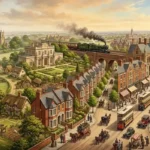
Before suburban expansion, much of Ealing consisted of farmland, orchards and small villages surrounded by open countryside. During the Victorian era, improved transport transformed the borough into an attractive residential destination for London’s growing middle class.
Architects responded by designing spacious villas, elegant terraces and impressive detached houses surrounded by gardens and tree-lined streets. These developments balanced practicality with decorative craftsmanship, creating neighbourhoods that remain highly desirable today.
Edwardian builders later expanded upon these ideas by introducing larger windows, lighter interiors and refined detailing that reflected changing lifestyles. The result is a remarkable architectural collection spanning multiple periods while maintaining a cohesive sense of character throughout the borough.
Pitzhanger Manor Stands as Ealing’s Architectural Masterpiece
No exploration of Ealing’s historic homes would be complete without visiting Pitzhanger Manor. Designed by the celebrated architect Sir John Soane as his country retreat, the manor remains one of the borough’s most significant heritage landmarks.
Soane created the house as a showcase for innovative architectural ideas that blended elegance with practicality. The carefully restored interiors reveal sophisticated lighting techniques, beautifully proportioned rooms and decorative features that continue inspiring architects and designers today.
Visitors can explore period furnishings, exhibitions and galleries while learning about Soane’s influence on British architecture. The surrounding gardens and nearby Walpole Park further enhance the experience, allowing guests to appreciate how landscape and architecture were designed to complement one another.
Pitzhanger Manor perfectly illustrates how a historic residence can evolve into a vibrant cultural destination without losing its original character.
Georgian Homes Reflect Ealing’s Early Prosperity
Although Victorian architecture dominates much of Ealing, several Georgian homes still survive, offering valuable insight into the borough’s earlier development.
These elegant properties are recognised for their balanced proportions, symmetrical façades and restrained decorative details. Brick exteriors, sash windows and refined entrances create an understated beauty that continues to attract admiration.
Many Georgian houses originally belonged to wealthy landowners and successful merchants who valued Ealing’s peaceful countryside while maintaining close links with London. Their continued preservation helps illustrate the transition from rural settlements to prosperous suburban communities.
Walking through areas where these homes remain allows visitors to appreciate architectural traditions that influenced later residential developments across the borough.
Victorian Villas Showcase Craftsmanship and Civic Confidence
The arrival of the railway dramatically increased demand for quality housing, leading to the construction of numerous Victorian villas throughout Ealing.
These homes display decorative brickwork, ornate bay windows, stained glass, elaborate chimneys and welcoming entrance porches that reflected both prosperity and craftsmanship. Builders paid careful attention to detail, ensuring each property contributed to attractive streetscapes that appealed to growing professional families.
Many of these villas remain private residences today, carefully maintained by owners who recognise their historical importance. Others have been sensitively converted into apartments or community buildings while preserving their original architectural features.
For visitors interested in Victorian design, Ealing provides one of West London’s finest collections of well-preserved residential architecture.
Edwardian Homes Introduced Light, Comfort and Modern Living
As architectural tastes evolved during the early twentieth century, Edwardian homes introduced a fresh approach to residential design. Although they retained many traditional materials, these houses placed greater emphasis on spacious interiors, natural light and improved functionality.
Wide hallways, generous reception rooms, decorative timber detailing and large front gardens became common features across many Ealing neighbourhoods. These properties reflected changing family lifestyles while maintaining the elegance associated with earlier architectural periods.
Today, Edwardian homes continue defining many of the borough’s most desirable residential streets, demonstrating how thoughtful planning can remain relevant across generations.
Brentham Garden Estate Demonstrates Visionary Community Planning
Among Ealing’s most distinctive residential heritage areas, Brentham Garden Estate represents an outstanding example of early twentieth-century town planning. Inspired by the Garden City movement, the estate combined attractive homes with generous green spaces, tree-lined roads and carefully designed public areas.
Rather than focusing solely on individual houses, planners created an entire neighbourhood that encouraged healthy living, community interaction and harmonious architecture. The result remains one of London’s finest preserved garden suburbs.
Walking through Brentham Garden Estate reveals consistent building styles, beautifully maintained gardens and peaceful streets that continue reflecting the original vision of balanced residential development.
Its preservation highlights the importance of protecting not only individual buildings but also the wider environments that give historic homes their lasting character.
Historic Residential Streets Tell Their Own Story
Some of Ealing’s greatest architectural treasures are found not in famous landmarks but along ordinary residential streets that have retained their historic appearance for generations.
Neighbourhoods around Ealing Green, South Ealing, Hanwell and Pitshanger feature rows of Victorian terraces, Edwardian houses and elegant detached homes that collectively illustrate the borough’s residential evolution.
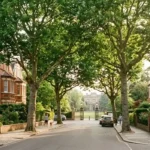
Original brickwork, decorative gables, traditional front gardens and mature trees create streetscapes that feel remarkably authentic despite modern urban life surrounding them. Walking through these areas offers visitors an opportunity to appreciate architecture as part of everyday community life rather than as isolated museum exhibits.
These historic streets demonstrate that Ealing’s heritage is woven into its neighbourhoods, where beautiful homes continue serving the communities they were originally built to support.
Conservation Efforts Protect Ealing’s Architectural Heritage
The survival of Ealing’s historic homes is the result of decades of careful conservation and responsible planning. Preserving heritage buildings requires far more than maintaining attractive façades. It involves protecting original materials, restoring decorative details and ensuring that modern improvements respect the building’s historic character.
Across the borough, conservation areas help safeguard streets lined with period homes, mature trees and traditional public spaces. Local planning policies encourage sympathetic renovations that preserve architectural integrity while allowing homes to meet contemporary living standards.
These conservation efforts ensure that future generations can continue appreciating the craftsmanship and design principles that have shaped Ealing’s identity. Visitors also benefit by experiencing neighbourhoods that retain their historic atmosphere rather than losing their character through unsuitable redevelopment.
Historic Homes That Influenced Community Development
Beautiful houses did more than provide accommodation. They helped shape the communities surrounding them. As prestigious residential developments expanded, schools, churches, parks, libraries and local businesses followed, creating vibrant neighbourhoods where people could live, work and socialise.
The relationship between architecture and community planning remains visible throughout Ealing today. Tree-lined avenues connect historic homes with green spaces such as Walpole Park, while local high streets continue serving neighbourhoods first established during the Victorian and Edwardian periods.
This integrated approach to development explains why many parts of Ealing retain such a welcoming and well-balanced atmosphere. Historic homes remain central to the borough’s identity because they formed the foundation of thriving residential communities that continue flourishing today.
Planning a Heritage Walk Around Ealing’s Historic Homes
A walking tour is one of the best ways to appreciate Ealing’s preserved architectural heritage. Beginning near Ealing Broadway allows visitors to explore Pitzhanger Manor before continuing through Walpole Park and nearby residential streets filled with Victorian and Edwardian homes.
From there, routes can extend towards Ealing Green, South Ealing, Brentham Garden Estate or Hanwell, where different architectural styles reflect the borough’s gradual expansion over successive generations.
Walking encourages closer observation of decorative details, historic street layouts and carefully preserved gardens that are often overlooked when travelling by car or public transport. Local cafés and independent shops along the way also provide opportunities to experience the welcoming atmosphere that has long characterised Ealing.
Combining architecture, history and local culture creates a memorable experience for both first-time visitors and long-term residents.
Preserved Architecture Continues Inspiring Future Generations
Ealing’s historic homes remain valuable not only because they survived the passage of time but because they continue inspiring architects, planners and conservation specialists today. Their thoughtful proportions, durable materials and carefully designed streetscapes demonstrate principles that remain relevant in contemporary urban development.
Schools frequently use local heritage to teach architecture and history, while community organisations organise guided walks that introduce residents to the stories behind familiar streets. Heritage events, exhibitions and restoration projects further strengthen appreciation for the borough’s architectural legacy.
As London continues evolving, Ealing’s preserved homes remind visitors that sustainable communities are built through quality design, respect for history and long-term stewardship rather than short-term development alone.
Ealing’s historic homes and preserved architectural masterpieces tell the story of a borough shaped by vision, craftsmanship and community spirit. From the timeless elegance of Pitzhanger Manor and surviving Georgian residences to impressive Victorian villas, Edwardian family homes and the carefully planned Brentham Garden Estate, each property reflects a unique chapter in the borough’s development.
These remarkable buildings are more than attractive landmarks. They reveal how architecture influenced education, neighbourhood planning, social life and cultural identity across generations. Their continued preservation allows both residents and visitors to experience authentic heritage while appreciating the craftsmanship that defines Ealing’s distinctive character.
Whether you are interested in architectural history, heritage tourism or simply exploring beautiful neighbourhoods, Ealing offers an inspiring collection of historic homes that deserve to be admired, protected and celebrated. Every preserved building contributes to a living story that continues enriching one of West London’s most attractive and historically significant boroughs.
Frequently Asked Questions
What are the most famous historic homes in Ealing?
Pitzhanger Manor is Ealing’s best-known historic home, while Brentham Garden Estate, Georgian residences and Victorian villas also showcase the borough’s rich architectural heritage.
Why is Pitzhanger Manor historically important?
Designed by Sir John Soane, Pitzhanger Manor is considered one of Britain’s finest examples of Regency architecture and now serves as a museum, gallery and cultural venue.
Where can I see Victorian and Edwardian houses in Ealing?
Excellent examples can be found around Ealing Green, South Ealing, Hanwell, Pitshanger and Brentham Garden Estate, where many original architectural features remain preserved.
What makes Brentham Garden Estate unique?
The estate was inspired by the Garden City movement and combines attractive period homes with green spaces, tree-lined streets and thoughtful community planning.
Are Ealing’s historic homes open to the public?
Most historic homes remain private residences, but Pitzhanger Manor welcomes visitors, while many residential streets and conservation areas can be explored on foot.
Why are conservation areas important in Ealing?
Conservation areas protect historic buildings, traditional streetscapes and architectural character, ensuring that the borough’s heritage is preserved for future generations.
When is the best time to explore Ealing’s historic neighbourhoods?
Spring and autumn are ideal for heritage walks thanks to pleasant weather, colourful gardens and comfortable conditions for enjoying Ealing’s beautiful historic streets.