
West Ealing is one of West London’s most fascinating districts, blending historic charm with cultural diversity and modern regeneration. While neighbouring Ealing Broadway often attracts the spotlight, West Ealing has its own remarkable story that reflects centuries of social, economic and urban change.
From its rural beginnings and Victorian expansion to its present-day identity as a vibrant and multicultural community, the evolution of West Ealing reveals how London’s suburbs have continuously adapted while preserving their local character.
Where Did the Story of West Ealing Begin?
Long before railways and shopping streets shaped the district, West Ealing formed part of a largely rural landscape. The area consisted of farmland, orchards and scattered settlements that supplied produce to nearby London.
The wider parish of Ealing was already established by the medieval period, but the land that would become West Ealing remained relatively undeveloped for centuries. Country lanes connected farms and small communities, while agriculture provided the primary source of employment.
Its proximity to London eventually became one of its greatest advantages. As the capital expanded during the eighteenth and nineteenth centuries, suburban growth gradually moved westwards and transformed the character of the area.
How Did the Railway Change West Ealing?
The arrival of the railway marked the beginning of West Ealing’s transformation.
The opening of West Ealing Station during the nineteenth century significantly improved connections with central London. Faster travel encouraged people to move out of the city and settle in suburban districts that offered more space and cleaner air.
The railway created opportunities for housing development and commercial growth. Residential streets expanded around the station, and new businesses appeared to serve the growing population.
This period established West Ealing as an important commuter suburb and laid the foundations for its future prosperity.
Why Did West Ealing Grow So Rapidly During the Victorian Era?
The Victorian period changed the physical and social landscape of West Ealing.
Improved transport links, economic prosperity and increasing demand for suburban housing encouraged extensive development. Fields and market gardens gradually gave way to terraces, shops and civic buildings.
West Ealing attracted middle-class families seeking a quieter lifestyle while maintaining easy access to employment opportunities in central London.
Many of the attractive Victorian and Edwardian properties that still define the area today were built during this period, giving West Ealing much of its architectural character.
The Importance of Uxbridge Road
One of the defining features of West Ealing is the historic Uxbridge Road.
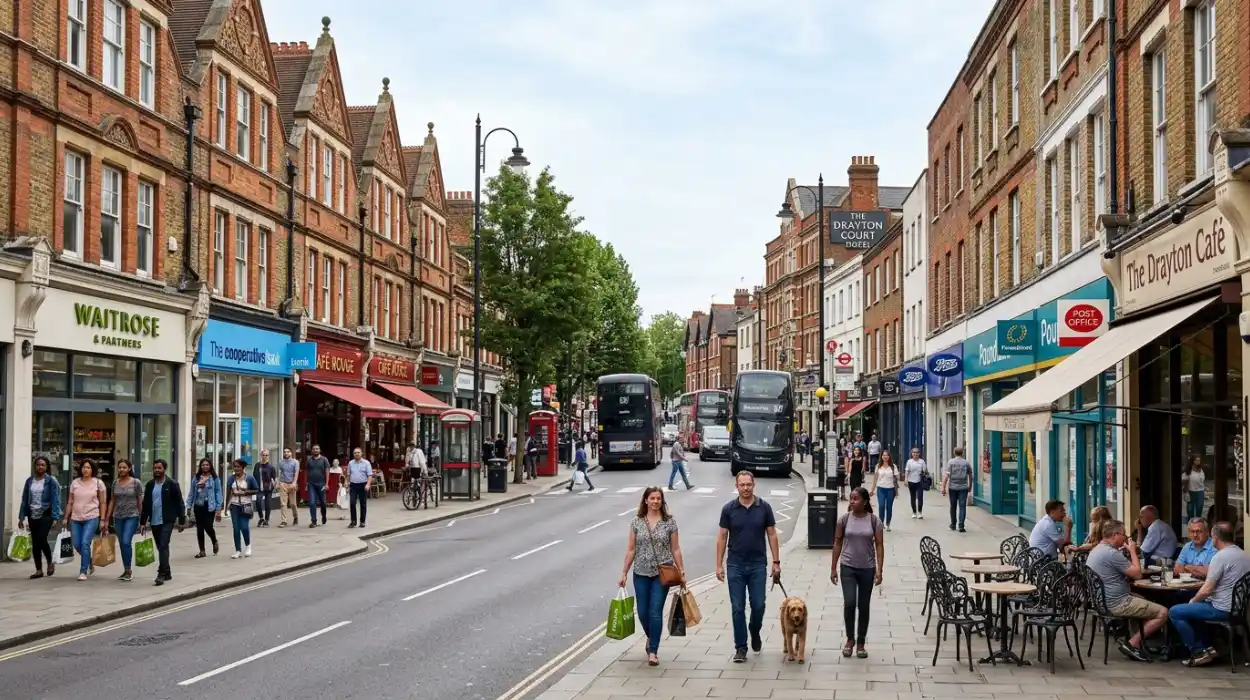
This major route has served as an important transport corridor for centuries, connecting London with western England. As West Ealing expanded, the road became the centre of commercial activity and remains one of the district’s busiest and most recognisable streets.
Today, Uxbridge Road is lined with independent shops, restaurants, cafés and local businesses that reflect the area’s diverse communities.
Walking along the road provides an excellent introduction to the district’s history and modern identity.
How Did Shopping Shape West Ealing’s Identity?
Commerce has played an important role in the evolution of West Ealing.
Unlike some suburban areas dominated by large shopping centres, West Ealing developed a strong tradition of independent businesses and local markets. The district became known for its community-focused high street and diverse retail offerings.
One of its most famous attractions is the long-established local market, which has served residents for generations.
The shopping streets of West Ealing continue to support:
- Independent retailers.
- Family-owned businesses.
- International food shops.
- Local cafés and restaurants.
- Community services.
This commercial diversity contributes significantly to the area’s distinctive atmosphere.
The Rise of a Multicultural Community
Modern West Ealing is one of the most culturally diverse areas in West London.
Successive waves of migration have shaped the district’s social and cultural identity. Communities from across Europe, Asia, Africa and the Middle East have contributed to the local economy, culinary scene and community life.
This diversity is particularly visible through the area’s restaurants, places of worship and independent businesses.
The multicultural nature of West Ealing has transformed it into a vibrant destination where different traditions and cultures coexist within a relatively small urban area.
What Role Did Industry Play in West Ealing’s Development?
Although primarily a residential suburb, West Ealing also developed a modest industrial and commercial base.
Small factories, workshops and local enterprises emerged during the nineteenth and twentieth centuries, providing employment opportunities for residents.
The growth of industry supported population expansion and strengthened the area’s local economy. Over time, however, economic changes and urban redevelopment gradually shifted the district towards retail, service industries and residential use.
The legacy of this industrial past remains visible in certain historic buildings and former commercial sites.
West Ealing and the Development of Transport
Transport continues to influence the district’s evolution.
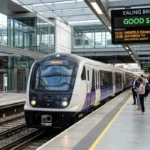
The arrival of the Elizabeth line has dramatically improved connectivity and reduced travel times between West Ealing and central London. This development has increased the area’s attractiveness to commuters and businesses alike.
Modern transport links provide easy access to:
- Central London.
- Heathrow Airport.
- Reading and Berkshire.
- Other parts of West London.
Enhanced connectivity has also encouraged investment and contributed to ongoing regeneration projects throughout the district.
The Green Spaces That Define West Ealing
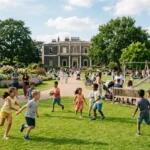
Despite its urban growth, West Ealing retains important green spaces that contribute to its character and quality of life.
Nearby parks such as Walpole Park and local recreation grounds provide residents with access to nature and outdoor activities.
Historically, the abundance of gardens and open spaces contributed to Ealing’s reputation as the “Queen of the Suburbs”.
Even today, the balance between urban development and green spaces remains one of the area’s greatest strengths.
How Has Regeneration Changed West Ealing?
West Ealing has undergone significant regeneration during recent decades.
Investment in transport infrastructure, residential developments and public spaces has transformed parts of the district while maintaining much of its historic character.
New housing projects and business developments have attracted younger professionals and increased interest in the area among property buyers and investors.
At the same time, efforts have been made to preserve local identity by supporting independent businesses and community initiatives.
This balance between change and continuity defines modern West Ealing.
Why Do Tourists and Locals Appreciate West Ealing?
West Ealing offers an experience that differs from many of London’s more heavily visited districts.
Visitors often appreciate:
- A genuine local atmosphere.
- Independent shopping opportunities.
- Diverse international cuisine.
- Historic architecture.
- Easy transport connections.
For residents, the district combines the convenience of urban living with a strong sense of community.
This mixture of accessibility and authenticity has become one of West Ealing’s defining characteristics.
The Architectural Heritage of West Ealing
The streets of West Ealing showcase several periods of London’s suburban development.
Victorian terraces stand alongside Edwardian homes and modern residential buildings. Historic churches, civic structures and former commercial premises provide further evidence of the district’s changing history.
The architectural diversity reflects the area’s continuous evolution over more than a century.
For those interested in urban history, West Ealing provides an excellent example of how London’s suburbs developed in response to population growth and changing economic conditions.
What Does the Future Hold for West Ealing?
The future of West Ealing appears closely connected to ongoing regeneration and improved transport infrastructure.
Continued investment is expected to strengthen the local economy and attract additional residents and businesses. However, preserving community identity and protecting the area’s independent character remain important priorities.
The challenge lies in ensuring that development respects the qualities that have made West Ealing distinctive for generations.
If this balance is maintained, West Ealing is likely to continue evolving while preserving its rich heritage and strong community spirit.
The evolution of West Ealing through history demonstrates how a rural landscape gradually transformed into one of West London’s most dynamic and diverse districts.
Its development has been shaped by transport innovation, commercial growth, cultural diversity and continuous regeneration. Yet despite these changes, West Ealing has retained a strong sense of identity and community.
For visitors and local residents alike, understanding the area’s history offers a deeper appreciation of one of London’s most interesting suburban neighbourhoods.
Frequently Asked Questions
What is West Ealing known for?
West Ealing is known for its multicultural community, independent shops, local market and excellent transport connections.
When did West Ealing begin to develop?
The district expanded rapidly during the nineteenth century following the arrival of the railway.
Is West Ealing different from Ealing Broadway?
Yes. West Ealing has a more local and independent character, while Ealing Broadway serves as the borough’s main commercial centre.
Why is West Ealing becoming more popular?
Improved transport links, regeneration projects and a vibrant community atmosphere have increased its popularity.
Does West Ealing have historical significance?
Yes. Its development reflects the broader history of London’s suburban expansion during the Victorian and Edwardian periods.
What can visitors do in West Ealing?
Visitors can explore local markets, independent cafés, historic streets and nearby parks while experiencing a more authentic side of London.
Is West Ealing a good place to live?
Many residents appreciate its strong community, cultural diversity, green spaces and excellent connections to central London.
:::