

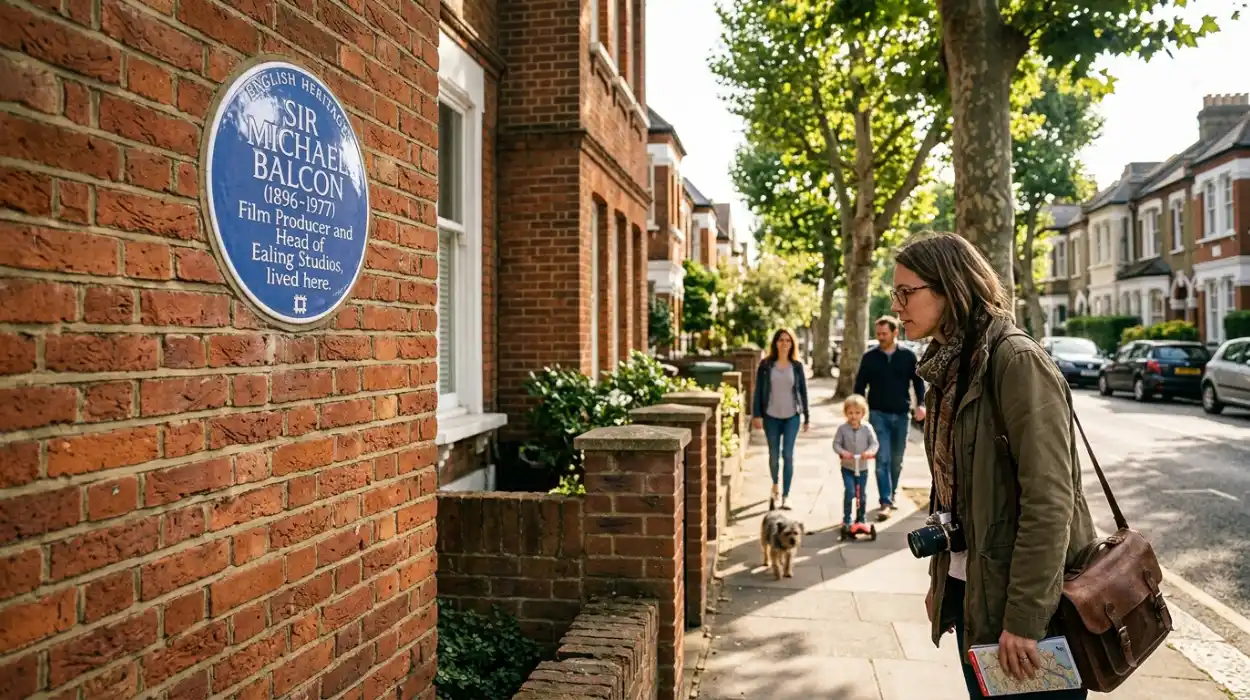
Ealing is known for its beautiful parks, historic streets, and impressive architecture, but one of its most fascinating yet often overlooked heritage attractions is its collection of blue plaques. These distinctive markers tell the stories of remarkable individuals whose achievements have influenced literature, architecture, science, entertainment, politics, education, and community life. Rather than simply decorating historic buildings, blue plaques connect visitors with the people who helped shape both Ealing and Britain’s wider cultural history.
Whether you are exploring West London for the first time or rediscovering your local neighbourhood, following Ealing’s blue plaques offers a unique way to uncover inspiring stories hidden behind familiar buildings. Every plaque reveals another chapter in the borough’s rich heritage while encouraging visitors to appreciate the people whose work continues to influence modern society.
What Are Blue Plaques?
Blue plaques are permanent historical markers installed on buildings associated with significant individuals. They identify places where notable people lived, worked, or made important contributions to society.
Across London, blue plaques help preserve cultural memory by connecting historic locations with writers, scientists, architects, artists, actors, musicians, politicians, and other influential figures. In Ealing, these plaques transform ordinary streets into open-air history trails, allowing visitors to experience the borough through the lives of extraordinary people.
Why Blue Plaques Matter in Ealing
Ealing has long attracted creative minds, innovators, educators, and community leaders. Its peaceful surroundings, excellent transport links, and growing reputation during the Victorian and Edwardian periods made it an appealing place to live and work.
Blue plaques preserve these personal connections while helping residents and visitors understand how individual achievements contributed to Ealing’s identity. They also encourage heritage tourism by inspiring people to explore neighbourhoods beyond the borough’s best-known attractions.
Rather than viewing history only inside museums, visitors experience it directly within the streets where these remarkable individuals once lived.
Discovering the Stories Behind Historic Buildings
One of the greatest strengths of Ealing’s blue plaques is their ability to reveal hidden stories.
A traditional house may appear ordinary until a plaque explains that a celebrated author, architect, performer, or scientist once lived there. Suddenly, the building gains historical significance, transforming a simple walk into an educational journey.
Many visitors enjoy researching the people commemorated by each plaque before exploring the surrounding neighbourhood, creating a richer understanding of local history.
Sir John Soane and Ealing’s Architectural Legacy
Among the most influential figures connected with Ealing is Sir John Soane, one of Britain’s greatest architects.
His association with Pitzhanger Manor helped establish Ealing’s reputation as a place connected with architectural excellence. Although Soane is best known for designing the Bank of England and his remarkable London museum, his influence on Ealing’s heritage remains significant.
Visitors interested in architecture often combine blue plaque discoveries with a visit to Pitzhanger Manor to gain deeper insight into his life and achievements.
Charles Jones – Transforming Victorian Ealing
Another important historical figure connected with Ealing is Charles Jones, whose contributions helped shape the borough during the Victorian era.
His work influenced public health, urban planning, and civic development at a time when Ealing was experiencing rapid population growth. Blue plaques commemorating civic leaders such as Jones highlight how local government played an important role in creating the attractive residential environment that continues defining Ealing today.
These stories demonstrate that local history is shaped not only by famous artists and writers but also by dedicated public servants.
Writers, Artists and Cultural Figures Connected with Ealing
Ealing’s blue plaques celebrate people whose creativity and innovation extended far beyond the borough. Some plaques commemorate writers, actors, musicians, filmmakers, and artists whose work influenced British culture, while others recognise educators, campaigners, and public figures who made lasting contributions to society.
These commemorative markers encourage visitors to look beyond famous landmarks and appreciate the personal stories behind historic homes and buildings. They also demonstrate how Ealing has long attracted talented individuals seeking inspiration in one of West London’s most attractive communities.
Blue Plaques as a Heritage Walking Trail
One of the most enjoyable ways to explore Ealing is by following its blue plaques on foot.
Many plaques are located close to other heritage attractions, making it easy to combine them with visits to Pitzhanger Manor, Walpole Park, Ealing Green, St Mary’s Church, and nearby conservation areas. Along the route, visitors can admire Victorian and Edwardian architecture while discovering the fascinating lives of people who once called Ealing home.
A self-guided blue plaque trail offers a unique perspective that blends architecture, biography, and local history into a memorable day out.
More Than Historical Markers
Blue plaques are not simply decorative signs. They help preserve local identity by connecting present-day communities with the achievements of previous generations.
Schools use them as educational resources, history enthusiasts include them in research projects, and visitors gain a greater appreciation of Ealing’s cultural significance. For local residents, they provide daily reminders that familiar streets have played a role in Britain’s artistic, scientific, architectural, and civic development.
Their presence also encourages heritage conservation by highlighting the importance of protecting historic buildings associated with notable individuals.
Practical Tips for Exploring Ealing’s Blue Plaques
The best way to discover blue plaques is on foot, allowing plenty of time to explore surrounding streets and conservation areas.
Wear comfortable shoes and carry a camera, as many plaques are attached to architecturally significant Victorian and Edwardian buildings. Visiting during daylight hours makes it easier to read plaque inscriptions and appreciate the architectural details of the surrounding properties.
Combining a blue plaque trail with nearby cafés, museums, parks, and heritage attractions creates a rewarding itinerary for both first-time visitors and local residents.
Why Blue Plaques Continue Defining Ealing’s Identity
Blue plaques celebrate the individuals whose ideas, creativity, leadership, and achievements helped shape Ealing into the borough it is today.
Rather than preserving history within museums alone, they bring remarkable stories directly into the streets where people lived, worked, and contributed to society. This makes local history more accessible, engaging, and relevant to modern audiences.
By honouring architects, writers, artists, civic leaders, and innovators, Ealing continues recognising the people whose influence extends far beyond the borough’s boundaries.
Exploring blue plaques across Ealing offers an inspiring way to discover the borough’s rich heritage through the lives of extraordinary individuals. Each plaque represents more than a name on a building—it tells a story of creativity, achievement, public service, or innovation that has left a lasting mark on local and national history.
Whether you are passionate about architecture, literature, education, or cultural heritage, following Ealing’s blue plaques provides a fascinating journey through the people who helped define one of West London’s most distinctive communities. Together with the borough’s historic landmarks, parks, and conservation areas, these commemorative markers ensure that the stories of remarkable individuals continue inspiring future generations.
Frequently Asked Questions
What are blue plaques in Ealing?
Blue plaques are historical markers placed on buildings connected with notable individuals who lived, worked, or made significant contributions to society.
Why are blue plaques important?
They preserve local history, celebrate remarkable achievements, encourage heritage tourism, and help visitors understand the people behind historic buildings.
Who decides which people receive blue plaques?
Blue plaque schemes are generally managed by heritage organisations that assess an individual’s historical significance and their connection to a particular building.
Can visitors follow a blue plaque trail in Ealing?
Yes. Many blue plaques are located within walking distance of each other, making self-guided heritage walks an enjoyable way to explore the borough.
Are blue plaques free to visit?
Yes. Blue plaques are publicly displayed on historic buildings and can be viewed free of charge while exploring Ealing.
What other attractions can be combined with a blue plaque walk?
Visitors often combine blue plaque trails with Pitzhanger Manor, Walpole Park, Ealing Green, St Mary’s Church, museums, conservation areas, and independent cafés.
Why does Ealing have so many historically significant residents?
Its attractive environment, excellent transport links, and strong cultural reputation made Ealing a popular home for architects, writers, artists, educators, and influential public figures across different periods of history.