
Ealing is often admired for its leafy parks, historic architecture and welcoming neighbourhoods, yet one of its greatest treasures lies within its museums and heritage attractions. These cultural destinations preserve centuries of local history, celebrate artistic achievements and tell the remarkable stories that have shaped one of West London’s most distinctive boroughs. From elegant historic houses and nationally significant collections to volunteer-led museums celebrating local communities, Ealing offers visitors an engaging journey through architecture, film, industry, education and everyday life.
For worldwide tourists, Ealing’s museums provide an authentic alternative to London’s larger cultural institutions while revealing fascinating stories rarely found in guidebooks. For local residents, they preserve neighbourhood identity and strengthen connections between past and present generations. Whether you are passionate about history, architecture, design, transport, cinema or local heritage, Ealing’s museums provide rewarding experiences throughout every season.
Why Ealing’s Museums Deserve More Recognition
Although central London is home to internationally famous museums, Ealing offers a different kind of cultural experience. Rather than overwhelming visitors with enormous collections, the borough’s museums focus on local stories, community heritage and carefully curated exhibitions that encourage meaningful exploration.
Many museums are housed within historic buildings that contribute to the visitor experience. Architecture, landscaped gardens and restored interiors become part of the exhibition itself, helping visitors understand how people once lived, worked and created within the borough.
The museums also reflect Ealing’s remarkable diversity. Their collections explore everything from Georgian design and Victorian society to twentieth-century filmmaking, industrial development and multicultural communities that continue shaping modern Ealing.
Pitzhanger Manor & Gallery Brings History and Art Together
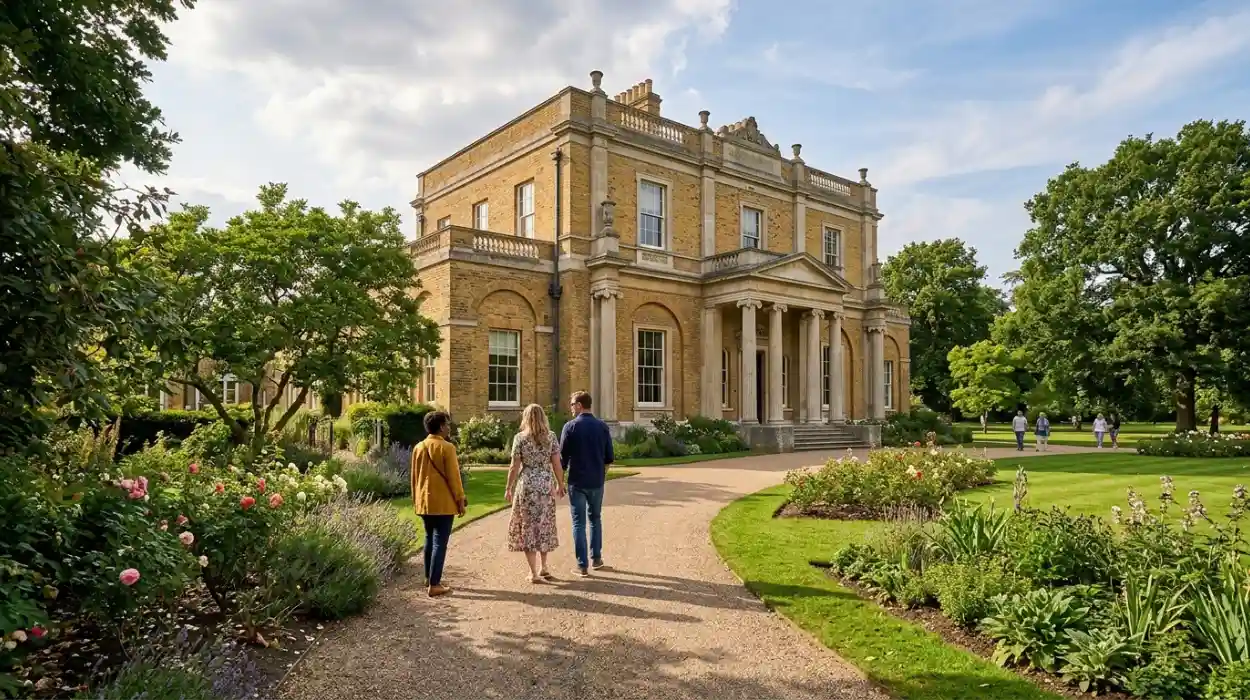
Among Ealing’s cultural highlights, Pitzhanger Manor & Gallery remains one of the borough’s most important heritage attractions. Designed by the celebrated architect Sir John Soane as his country retreat, the manor combines elegant Georgian architecture with carefully restored interiors and a respected contemporary art gallery.
Visitors experience beautifully furnished rooms that demonstrate Soane’s innovative architectural ideas while learning about his influence on British design. Light-filled interiors, decorative details and thoughtfully restored spaces provide valuable insight into Georgian domestic life.
The adjoining gallery hosts changing exhibitions featuring contemporary artists, creating an engaging dialogue between historical architecture and modern creativity. This combination makes Pitzhanger Manor far more than a traditional museum.
Outside, Walpole Park complements the cultural experience with landscaped gardens, ornamental planting and peaceful walking routes suitable for every season.
Gunnersbury Park Museum Explores Local Heritage
Although shared with neighbouring boroughs, Gunnersbury Park Museum remains closely connected with Ealing’s local history and heritage.
Located within a magnificent historic mansion, the museum presents exhibitions covering the social history of West London through artefacts, photographs, costumes and interactive displays.
Visitors discover how local communities evolved through changing industries, transport developments and everyday family life. Collections also examine education, domestic life and the rapid transformation of suburban London during the nineteenth and twentieth centuries.
The surrounding parklands extend the visit with beautiful gardens, woodland walks and ornamental lakes, allowing guests to combine cultural exploration with outdoor recreation.
Families particularly appreciate the museum’s accessible exhibitions and educational activities designed for younger visitors.
The Brentham Club Heritage Collection Preserves Community History
Ealing’s heritage extends beyond major museums through smaller community collections that celebrate neighbourhood identity.
The Brentham Garden Suburb, recognised for its historic planning and distinctive architecture, has inspired exhibitions documenting its development, residents and conservation efforts.
Photographs, documents and historical records reveal how thoughtful urban planning created one of London’s most admired residential communities.
Visitors interested in architecture, conservation and social history gain valuable understanding of how neighbourhoods can evolve while preserving their original character.
These local collections demonstrate that community heritage often provides fascinating stories overlooked by larger institutions.
London Transport Heritage Around Ealing
Although Ealing is not home to a dedicated transport museum, its railway stations, Underground heritage and historic transport infrastructure form an important part of the borough’s cultural story.
The arrival of railway services transformed Ealing from a rural village into one of London’s most desirable suburban communities. Historic station buildings, bridges and transport routes illustrate this remarkable period of expansion.
Museum exhibitions and local history displays frequently explore how transport influenced housing, commerce and everyday life across the borough.
Visitors interested in industrial heritage often combine museum visits with walks exploring Ealing’s historic transport landmarks.
Film Heritage Remains Central to Ealing’s Identity
Few places in Britain possess stronger cinematic associations than Ealing. Although Ealing Studios is an active production facility rather than a museum, its influence appears throughout many heritage exhibitions across the borough.
Museum displays regularly examine the famous Ealing Comedies, filmmaking techniques and the studios’ lasting contribution to British cinema.
Historic photographs, film memorabilia and interpretive exhibitions help visitors understand why Ealing became synonymous with classic British storytelling.
Many tourists choose to combine museum visits with self-guided walks exploring film-related locations nearby, creating a richer understanding of the borough’s creative legacy.
Community Museums Preserve Everyday Stories
One of the most rewarding aspects of Ealing’s museum landscape is its emphasis on everyday life rather than only famous historical figures.
Community exhibitions often include oral histories, family photographs, school memorabilia and personal objects donated by local residents.
These collections demonstrate how ordinary people contributed to the borough’s development through education, business, volunteering, industry and public service.
Visitors frequently discover that these personal stories create stronger emotional connections than traditional historical displays alone.
This community-focused approach helps preserve memories that might otherwise disappear over time.
Temporary Exhibitions Keep Museums Fresh
Ealing’s museums regularly introduce temporary exhibitions exploring new themes, anniversaries and artistic collaborations.
Seasonal displays may focus on local artists, historical anniversaries, community photography projects or archaeological discoveries connected with the borough.
Changing exhibitions encourage repeat visits because returning guests continually encounter fresh perspectives and previously unseen collections.
Many exhibitions also involve partnerships with schools, universities and local heritage organisations, ensuring museum programmes remain relevant to contemporary audiences.
Interactive Experiences for Families
Modern museums increasingly encourage active participation rather than passive observation, and Ealing’s cultural venues reflect this approach.
Interactive displays, handling collections, educational workshops and creative family activities make museum visits enjoyable for younger audiences.
School holiday programmes frequently include craft sessions, storytelling, historical demonstrations and themed treasure trails that help children learn through exploration.
Parents appreciate museums that successfully balance education with entertainment while introducing children to local history in engaging ways.
These activities also encourage repeat family visits throughout the year.
Architecture Becomes Part of the Museum Experience
Many visitors focus primarily on museum collections, yet Ealing’s historic buildings deserve equal attention.
Pitzhanger Manor showcases Sir John Soane’s innovative architectural vision, while Gunnersbury Park Museum occupies an elegant mansion surrounded by landscaped gardens.
Historic staircases, decorative plasterwork, original fireplaces and carefully restored interiors provide valuable insight into changing architectural styles and social history.
Even before viewing exhibitions, visitors gain appreciation for the craftsmanship and design principles that shaped these remarkable buildings.
Planning a Cultural Day Across Ealing
Visitors hoping to explore Ealing’s museums can easily create a rewarding full-day itinerary.
Begin at Pitzhanger Manor & Gallery before enjoying a leisurely walk through Walpole Park. Afterwards, continue towards Gunnersbury Park Museum to explore local history collections and surrounding gardens.
Lunch at an independent café provides an opportunity to reflect on the morning’s discoveries before continuing with heritage walks exploring nearby historic streets and architectural landmarks.
Film enthusiasts may also include a visit to the area surrounding Ealing Studios, connecting museum exhibitions with the borough’s continuing cinematic legacy.
Comfortable footwear and a camera help visitors fully appreciate both indoor collections and outdoor heritage attractions.
Why Museums Strengthen Ealing’s Community Identity
Museums preserve more than artefacts. They protect memories, celebrate achievements and encourage future generations to understand the people and events that shaped their communities.
In Ealing, museums connect architecture, film, education, design, transport and everyday life into a broader story explaining how the borough developed from rural villages into one of London’s most vibrant neighbourhoods.
They also provide valuable educational resources supporting schools, researchers and lifelong learners interested in local heritage.
By preserving these stories, museums strengthen civic pride while welcoming visitors from around the world to experience Ealing’s rich cultural identity.
Discovering Ealing Through Its Museums
Exploring Ealing’s museums offers a deeper appreciation of the borough than sightseeing alone can provide. Every exhibition, historic building and heritage collection reveals another chapter in the area’s remarkable story, from Georgian architecture and Victorian expansion to filmmaking, community life and artistic achievement.
Whether you are visiting for a weekend or have lived locally for many years, these museums encourage curiosity, conversation and reflection. Their carefully preserved collections demonstrate that Ealing’s greatest treasures are not only its parks and streets but also the stories of the people who shaped them.
For anyone seeking meaningful cultural experiences beyond London’s busiest attractions, Ealing’s museums provide inspiring destinations where history, creativity and community heritage come together throughout the year.
Frequently Asked Questions
Which is the most famous museum in Ealing?
Pitzhanger Manor & Gallery is one of Ealing’s best-known cultural attractions, combining historic architecture with contemporary art exhibitions.
Are Ealing’s museums suitable for children?
Yes. Many museums offer interactive displays, educational workshops, family trails and school holiday activities designed for younger visitors.
Can I learn about Ealing’s film history in its museums?
Yes. Several heritage exhibitions explore the borough’s connection with Ealing Studios, the famous Ealing Comedies and Britain’s film industry.
Are there free museums in Ealing?
Some museums and exhibitions are free, while others may charge admission for specific exhibitions or heritage attractions. It is advisable to check individual venues before visiting.
How long should I spend exploring Ealing’s museums?
A typical museum visit lasts between one and two hours, while a full cultural day combining museums, parks and heritage walks can comfortably take an entire day.
What types of collections can visitors see?
Visitors can explore architecture, local history, art, photography, film heritage, transport history, community archives and historical artefacts reflecting Ealing’s development.
What is the best way to explore Ealing’s museums?
Using public transport and walking between nearby cultural attractions such as Pitzhanger Manor, Walpole Park and Gunnersbury Park Museum provides an enjoyable and well-rounded heritage experience.