
The waterways of West London offer a peaceful contrast to the capital’s busy streets, and Ealing is no exception. Flowing through parts of the borough, the Grand Union Canal creates a tranquil landscape where historic bridges, tree-lined towpaths, colourful narrowboats, and abundant wildlife combine to create some of the area’s most rewarding walking and photography locations. While many visitors explore Ealing’s famous parks and shopping districts, its canal bridges remain hidden gems that showcase another side of the borough’s natural and industrial heritage.
These bridges are more than simple crossing points. They represent centuries of engineering, trade, and community development while providing excellent viewpoints over the canal and surrounding landscapes. Whether you are an enthusiastic photographer searching for unique compositions, a walker looking for peaceful routes, or a visitor hoping to discover lesser-known attractions, Ealing’s canal bridges offer memorable experiences throughout every season.
This guide explores scenic canal bridges around Ealing that are perfect for leisurely walks, landscape photography, wildlife observation, and learning about the borough’s rich waterways.
Why Ealing’s Canal Bridges Are Worth Exploring
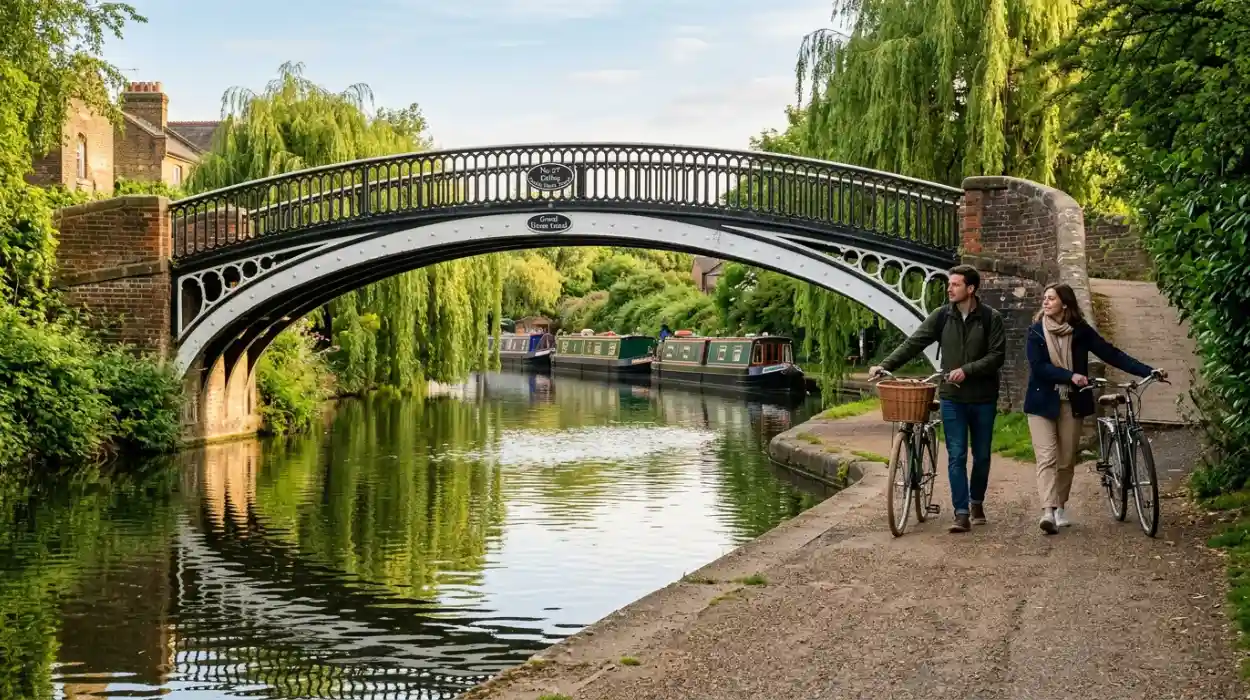
Canal bridges provide unique perspectives that cannot be experienced from ordinary footpaths. Standing above the water allows visitors to appreciate the peaceful movement of narrowboats, reflections of surrounding trees, and the changing character of the canal throughout the seasons.
Many of Ealing’s canal bridges also connect historic neighbourhoods, parks, and walking trails, making them ideal starting points for longer explorations. Their architectural styles range from traditional brick structures dating back to the canal’s early history to more modern pedestrian crossings designed for today’s walkers and cyclists.
Because many visitors overlook these bridges, they often remain pleasantly quiet even during busy weekends.
The History Behind the Grand Union Canal
Understanding the canal’s history adds another dimension to every walk.
Originally developed during Britain’s Industrial Revolution, the Grand Union Canal became a vital transport route connecting London with the Midlands and beyond. Barges carried coal, timber, food, building materials, and manufactured goods long before roads became the country’s primary transport network.
The bridges constructed along the canal enabled local communities to cross safely while allowing boats to continue their journeys uninterrupted. Many of these historic structures still stand today, carefully maintained as part of Britain’s industrial heritage.
Walking across these bridges offers visitors an opportunity to appreciate how engineering transformed trade, travel, and everyday life during the eighteenth and nineteenth centuries.
Hanwell Flight Bridges Offer Historic Character
Among the most fascinating canal locations near Ealing is the Hanwell Flight, a remarkable series of canal locks accompanied by several historic bridges.
These brick bridges overlook one of London’s most impressive stretches of canal engineering, where boats gradually move through multiple locks while travelling between different water levels.
Photographers enjoy capturing the contrast between traditional canal infrastructure, colourful narrowboats, and surrounding greenery. Visitors can often spend considerable time observing lock operations while learning how boats continue navigating the canal using techniques that have changed very little over the centuries.
The peaceful atmosphere makes this one of the borough’s most rewarding waterside destinations.
Bridge Viewpoints Along the Grand Union Canal
Numerous public bridges crossing the Grand Union Canal provide excellent panoramic views suitable for photography and sightseeing.
From these elevated positions, visitors can observe boats passing beneath, waterfowl swimming along the canal, and tree-lined towpaths stretching into the distance. During autumn, golden leaves reflect beautifully across the water, while spring introduces blossom, fresh greenery, and colourful wildflowers.
Every bridge offers slightly different perspectives depending on its location, making each stop unique for photographers interested in landscape composition.
Morning and late afternoon light often produces the most attractive reflections and softer colours.
Waterside Walks Between Historic Bridges
One of the greatest advantages of exploring Ealing’s canal bridges is the opportunity to combine them with longer waterside walks.
The canal towpath connects multiple bridges, allowing visitors to enjoy changing scenery without encountering busy roads or heavy traffic. Along the route, mature trees provide welcome shade during summer, while open stretches reveal expansive views across the water.
Walking between bridges encourages visitors to discover wildlife habitats, historic lock systems, narrowboats, and quiet resting places that many tourists rarely experience.
Because the terrain is generally flat, these walks suit a wide range of ages and fitness levels.
Colourful Narrowboats Enhance Every Photograph
One feature that makes Ealing’s canal bridges particularly attractive is the steady movement of traditional narrowboats.
Many boats display brightly painted designs inspired by Britain’s canal heritage, adding vibrant colours that contrast beautifully with the surrounding brick bridges and natural landscapes.
Some boats remain permanently moored, while others travel slowly through the canal network, creating constantly changing photographic opportunities.
Watching narrowboats pass beneath historic bridges provides a timeless scene that reflects both Britain’s industrial history and its continuing canal culture.
Wildlife Around Ealing’s Canal Bridges
The canal environment supports an impressive variety of wildlife throughout the year.
Visitors frequently observe swans, ducks, coots, moorhens, herons, kingfishers, dragonflies, butterflies, and numerous smaller bird species living alongside the water. Mature trees and waterside vegetation provide important habitats that encourage biodiversity despite the surrounding urban landscape.
Early mornings often bring the greatest wildlife activity, making this the ideal time for nature photographers hoping to capture birds alongside scenic canal views.
Respecting wildlife by observing quietly from public pathways ensures these habitats remain healthy for future generations.
Seasonal Beauty Along the Canal
Every season transforms the canal landscape in different ways.
Spring introduces blossom, wildflowers, and fresh green foliage that brighten the towpaths and bridge approaches. Summer provides lush vegetation, long daylight hours, and colourful boats travelling through calm waters.
Autumn creates spectacular reflections as golden, orange, and crimson leaves surround the canal. Winter reveals the elegant architecture of the bridges more clearly while offering peaceful walks beneath bare trees and dramatic skies.
This continuous seasonal change encourages visitors to return throughout the year, discovering new photographic opportunities during every visit.
Photography Tips for Canal Bridge Views
Photographing canal bridges combines elements of landscape, architecture, and nature photography.
Standing near the centre of a bridge often provides symmetrical compositions where the canal leads naturally into the distance. Reflections after calm weather create particularly attractive images, while including narrowboats adds movement and colour.
Wide-angle photography works well for capturing the surrounding scenery, whereas telephoto lenses highlight details such as lock gates, wildlife, and historic brickwork.
Patience is often rewarded, as changing light and passing boats create fresh photographic opportunities throughout the day.
Hidden Canal Bridges That Many Visitors Overlook
While the better-known canal crossings attract walkers and photographers, several smaller bridges along the Grand Union Canal remain peaceful throughout most of the year. These quieter locations provide uninterrupted views of the water, surrounding trees, and passing narrowboats without the larger crowds often found at popular attractions.
Many of these bridges connect residential neighbourhoods, local footpaths, and cycling routes, making them ideal stopping points during longer canal walks. Their simple brick construction reflects the practical engineering of Britain’s canal network while blending naturally with the surrounding landscape.
Exploring these lesser-known crossings allows visitors to experience a more tranquil side of Ealing that is often missed during traditional sightseeing.
The Best Time to Visit Ealing’s Canal Bridges
Although the canal is attractive throughout the year, each season offers something different.
Spring brings flowering trees, colourful wildflowers, and fresh green vegetation that brightens the towpaths. Summer provides longer daylight hours, calm waters, and more boats travelling through the canal network. Autumn transforms the landscape with vibrant shades of gold, orange, and crimson reflected across the water, creating one of the most photogenic periods of the year.
Winter offers a quieter atmosphere where bare trees reveal the historic bridge architecture more clearly, while crisp mornings and dramatic skies create striking photographic conditions.
Early morning is often the most peaceful time to visit, with softer natural light and increased wildlife activity.
Walking Routes That Connect the Canal Bridges
One of the greatest advantages of Ealing’s canal network is that many bridges are connected by continuous towpaths.
Visitors can begin their journey near Hanwell before following the Grand Union Canal through peaceful waterside scenery towards Southall and neighbouring areas. Along the way, they pass historic locks, colourful narrowboats, waterside vegetation, and several picturesque bridges that provide excellent places to pause for photographs or simply enjoy the view.
The mostly level paths make these routes suitable for walkers of different ages and abilities, while the changing scenery keeps every section interesting.
Those looking for a relaxing half-day excursion will find canal walks an enjoyable alternative to busier city attractions.
Canal Bridges Are Perfect for Photography Enthusiasts
Photography enthusiasts are often drawn to Ealing’s canal bridges because they offer a wide variety of subjects in one location.
Historic brickwork, calm water reflections, colourful boats, mature trees, and local wildlife create opportunities for landscape, architectural, travel, and nature photography. The bridges themselves naturally frame the canal, helping photographers compose balanced and visually appealing images.
Golden hour, shortly after sunrise or before sunset, provides warm lighting that enhances the colours of the landscape. Calm weather also improves reflections, making still water especially valuable for capturing memorable photographs.
Visitors should remain considerate of other walkers and cyclists while setting up photography equipment on public pathways.
Nearby Attractions to Combine with Canal Walks
Exploring the canal bridges can easily become part of a full day discovering Ealing.
After enjoying the waterside scenery, visitors can explore Walpole Park, admire the historic architecture of Pitzhanger Manor, or browse the cafés and independent shops around Ealing Broadway. Those walking near Hanwell can also visit the famous Hanwell Viaduct, an important landmark in Britain’s railway history.
Southall offers another excellent stop, where visitors can experience vibrant local markets, authentic international cuisine, and cultural attractions before returning to the canal.
Combining heritage, nature, photography, and local food creates a varied experience suitable for both tourists and residents.
Responsible Canal Walking and Photography
The peaceful character of Ealing’s canal network depends on visitors respecting both the environment and the local community.
Walkers should remain on designated towpaths, avoid blocking bridges, and dispose of litter responsibly. Wildlife should be observed from a respectful distance without disturbing nesting birds or feeding animals inappropriate food.
Cyclists also share many canal paths, so remaining aware of other users helps ensure everyone enjoys a safe experience.
Photographers should avoid standing in narrow sections of bridges where they may obstruct pedestrians. Simple courtesy helps preserve the welcoming atmosphere that makes these waterside routes so enjoyable.
A Suggested Scenic Canal Route
Visitors wishing to experience several of Ealing’s most attractive canal bridges can follow a relaxing self-guided route.
Start near Hanwell, where the historic locks and traditional canal bridges provide fascinating views of Britain’s industrial heritage. Continue along the Grand Union Canal, stopping regularly at bridge crossings to photograph narrowboats, wildlife, and reflections across the water.
Pause at one of the quieter benches overlooking the canal before continuing towards Southall, where additional bridges and waterside scenery complete the journey. Along the way, visitors experience peaceful landscapes, changing architecture, and the natural beauty that makes this part of West London so distinctive.
The route can easily be adapted for shorter or longer walks depending on available time and personal interests.
Why Ealing’s Canal Bridges Deserve More Attention
Although Ealing is widely recognised for its parks, shopping streets, and historic landmarks, its canal bridges offer equally rewarding experiences for visitors willing to explore beyond the main tourist attractions.
These bridges connect centuries of industrial heritage with modern recreational life, creating places where history, engineering, wildlife, and natural beauty come together. Every crossing reveals a different perspective of the Grand Union Canal, while the surrounding towpaths encourage peaceful exploration at a slower pace.
Whether you are photographing colourful narrowboats, enjoying a relaxing walk, observing local wildlife, or learning about Britain’s canal history, Ealing’s scenic canal bridges provide memorable experiences throughout every season. They represent one of West London’s most overlooked treasures and deserve a place on every visitor’s itinerary.
Frequently Asked Questions
Which canal runs through Ealing?
The Grand Union Canal passes through parts of Ealing, offering scenic walking routes, historic bridges, and opportunities for boating and wildlife watching.
Where are the best canal bridges for photography in Ealing?
The bridges around Hanwell Flight, along the Grand Union Canal towpath, and quieter pedestrian crossings provide some of the best viewpoints for photography.
Are Ealing’s canal walks suitable for families?
Yes. Most canal towpaths are relatively flat and suitable for families, walkers, and visitors looking for a relaxed outdoor experience.
What wildlife can I see around Ealing’s canal bridges?
Visitors commonly spot swans, ducks, herons, kingfishers, coots, moorhens, dragonflies, butterflies, and other waterside wildlife.
When is the best season to photograph Ealing’s canal bridges?
Autumn offers colourful foliage and beautiful reflections, while spring and summer provide lush greenery, wildflowers, and increased canal boat activity.
Can I cycle along the Grand Union Canal in Ealing?
Yes. Many sections of the towpath are shared by walkers and cyclists, although everyone should use the paths responsibly and considerately.
Why are Ealing’s canal bridges historically important?
They formed part of Britain’s historic canal transport network, allowing people and goods to cross the waterway while supporting trade during the Industrial Revolution.