
Ealing is renowned for its leafy parks, elegant streets and rich cultural heritage, but some of its most fascinating historical treasures are found in places many visitors overlook. Historic cemeteries across the borough preserve centuries of local history while providing peaceful green spaces filled with mature trees, impressive monuments and remarkable stories. Far from being places visited only for remembrance, these historic landscapes have become valuable destinations for heritage enthusiasts, photographers, historians and visitors seeking quieter experiences away from London’s busiest attractions.
For worldwide tourists exploring West London, Ealing’s historic cemeteries reveal another layer of the borough’s identity through Victorian architecture, beautifully landscaped grounds and memorials that reflect changing social traditions. For local residents, these spaces offer opportunities to connect with community history while enjoying tranquil surroundings ideal for thoughtful walks and quiet reflection. Every pathway, gravestone and memorial contributes to a wider story that continues to shape Ealing today.
Why Historic Cemeteries Matter
Historic cemeteries are more than resting places. They serve as open-air museums where architecture, landscape design, genealogy and local history come together in one setting. Every memorial represents a personal story while collectively illustrating how communities evolved over generations.
Visitors often discover changing artistic styles through Victorian, Edwardian and twentieth-century memorials. Stone carvings, inscriptions and symbolic sculptures reveal religious beliefs, cultural traditions and craftsmanship that might otherwise disappear over time.
These landscapes also preserve mature trees, wildlife habitats and carefully planned gardens, making them valuable green spaces within growing urban areas. Walking through a historic cemetery allows visitors to appreciate both natural beauty and historical significance simultaneously.
The Heritage Value of Ealing’s Historic Cemeteries
Ealing’s historic cemeteries reflect the borough’s transformation from rural villages into one of West London’s most desirable residential areas. Many burial grounds were established during periods of rapid population growth when carefully designed cemeteries became essential public spaces.
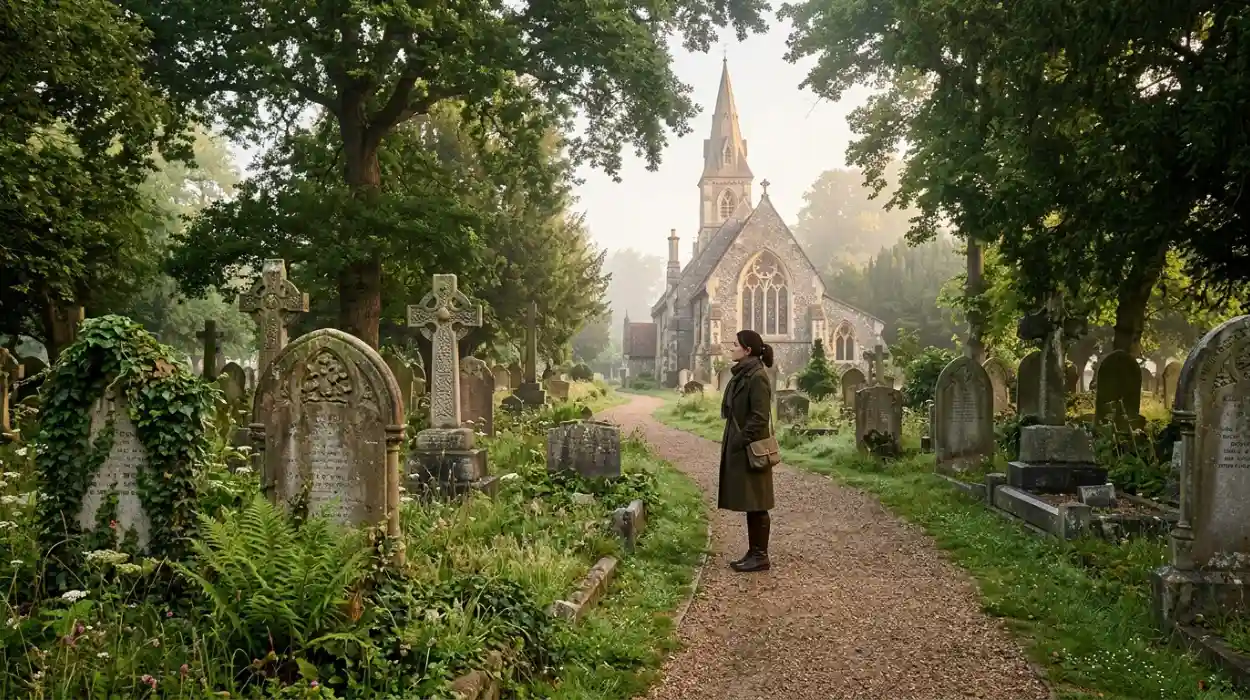
Landscape architects often incorporated winding paths, ornamental planting and attractive viewpoints to create peaceful environments that encouraged respectful visits. Today, these original design principles continue to benefit walkers, historians and photographers who appreciate the combination of heritage and nature.
The preservation of historic monuments also ensures future generations can continue learning about local families, notable residents and important community events.
South Ealing Cemetery
Among Ealing’s most significant burial grounds, South Ealing Cemetery combines historical importance with attractive green surroundings. Established during the nineteenth century, it contains memorials representing different architectural periods alongside mature trees that create peaceful avenues throughout the grounds.
Visitors exploring the cemetery notice impressive stone monuments, carefully maintained pathways and a quiet atmosphere that encourages thoughtful reflection. Many gravestones commemorate individuals who contributed to Ealing’s development through business, education, public service and local industry.
The cemetery’s changing seasonal colours also make it an appealing destination for landscape photographers interested in capturing historic settings surrounded by natural beauty.
Acton Cemetery and Local Heritage
Located close to Ealing’s eastern boundary, Acton Cemetery offers another fascinating insight into West London’s history. Wide pathways, established woodland and historic memorials create an attractive environment where visitors can explore different periods of local heritage.
Many monuments display exceptional Victorian stone craftsmanship featuring angels, crosses, obelisks and decorative carvings. Reading carefully preserved inscriptions reveals family histories while illustrating how communities responded to changing social and cultural influences across generations.
Walking through the cemetery provides opportunities to appreciate both architectural artistry and peaceful natural surroundings.
Beautiful Landscapes Throughout the Seasons
One of the most appealing aspects of Ealing’s historic cemeteries is their changing appearance throughout the year. Spring brings flowering trees, colourful bulbs and fresh greenery that soften historic stone monuments with vibrant natural beauty.
Summer offers shaded avenues beneath mature trees where visitors can comfortably enjoy longer walks. Autumn transforms pathways with golden and crimson leaves, creating spectacular photographic opportunities. Winter reveals elegant architectural details often hidden by seasonal foliage while providing peaceful atmospheres ideal for reflective walks.
These seasonal changes encourage repeat visits as every landscape develops new visual character throughout the year.
Victorian Memorial Architecture
Victorian Britain placed enormous importance on memorial architecture, and Ealing’s historic cemeteries preserve outstanding examples of this artistic tradition. Skilled stonemasons created elaborate headstones, family vaults, obelisks and sculptural monuments using durable materials designed to last for generations.
Symbolic carvings frequently include ivy representing eternal life, angels symbolising protection, broken columns reflecting lives cut short and flowers expressing remembrance. Understanding these symbols adds depth to every visit while helping visitors interpret the stories behind individual memorials.
Architectural diversity ensures each section of a historic cemetery offers new discoveries for heritage enthusiasts.
Stories Hidden Within Every Memorial
Every gravestone represents an individual life connected to Ealing’s wider history. Teachers, doctors, soldiers, entrepreneurs, artists, community leaders and ordinary families all contributed to shaping the borough over successive generations.
Although many visitors initially focus on impressive monuments, smaller memorials often contain equally moving stories revealed through carefully written inscriptions. Family relationships, professions and personal achievements occasionally appear alongside expressions of affection that continue touching readers many decades later.
Genealogists frequently visit historic cemeteries because these memorials preserve valuable historical information unavailable elsewhere.
Wildlife and Biodiversity
Historic cemeteries often function as important wildlife habitats despite their urban locations. Mature trees provide nesting opportunities for birds while established grasslands support insects, butterflies and pollinating species.
Foxes, squirrels and numerous bird species regularly inhabit these peaceful environments, making cemetery walks appealing to wildlife enthusiasts as well as historians. Seasonal wildflowers contribute additional colour while supporting local biodiversity throughout the warmer months.
Responsible landscape management helps balance heritage conservation with environmental sustainability, ensuring these spaces continue benefiting both wildlife and visitors.
Photography Opportunities
Photographers frequently visit historic cemeteries because they combine architecture, nature and changing light conditions within carefully landscaped environments. Early morning sunlight filtering through mature trees creates atmospheric scenes that highlight intricate stone carvings and historic pathways.
Autumn remains particularly popular due to colourful foliage surrounding Victorian monuments. Black-and-white photography also works exceptionally well in these settings by emphasising texture, contrast and architectural detail.
Visitors should always photograph respectfully, remembering these locations remain active places of remembrance alongside their historical importance.
Walking Routes Through Historic Landscapes
Walking represents one of the best ways to appreciate Ealing’s historic cemeteries. Meandering pathways encourage slower exploration while allowing visitors to notice architectural details, mature planting and carefully positioned memorials that may otherwise be overlooked.
Many heritage enthusiasts combine cemetery visits with nearby parks, churches and historic streets to create wider walking itineraries exploring Ealing’s cultural landscape. Comfortable footwear and unhurried pacing allow visitors to fully appreciate these tranquil surroundings.
These gentle walks appeal equally to tourists discovering West London and residents interested in learning more about their local heritage.
Respectful Visiting Guidelines
Historic cemeteries remain important places of remembrance, so respectful behaviour is essential. Visitors should keep noise levels low, remain on established pathways and avoid disturbing memorials or floral tributes.
Photography should always be undertaken sensitively, particularly when other visitors are paying respects. Dogs may be permitted in some locations but should remain under appropriate control according to local regulations.
Respecting these simple guidelines ensures everyone can continue enjoying these valuable heritage landscapes peacefully.
Educational Value for Visitors
Historic cemeteries provide outstanding educational opportunities beyond traditional museums. School groups, university researchers and local history societies regularly use these spaces to study architecture, genealogy, social history, ecology and landscape design.
Children can develop greater appreciation for local history by observing changing memorial styles and understanding how communities have evolved. Adults similarly gain insight into historical craftsmanship, conservation and urban development through careful exploration.
These educational experiences help preserve community heritage while encouraging greater public appreciation of historic environments.
Why Historic Cemeteries Appeal to Modern Travellers
Today’s travellers increasingly seek authentic experiences that reveal genuine local character rather than simply visiting famous attractions. Historic cemeteries satisfy this growing interest by offering peaceful environments where history, architecture and nature coexist harmoniously.
Visitors often appreciate discovering lesser-known locations that encourage slower exploration while providing opportunities for photography, reflection and cultural learning. These experiences create meaningful memories that differ significantly from conventional sightseeing.
For many tourists, exploring Ealing’s historic cemeteries becomes an unexpected highlight of their visit to West London.
Historic cemeteries in Ealing offer remarkable opportunities to discover the borough’s heritage through beautifully landscaped grounds, impressive Victorian memorials and fascinating personal stories. They preserve centuries of local history while providing peaceful green spaces where visitors can walk, reflect and appreciate both architecture and nature.
Whether you are a local resident interested in community history or a tourist seeking quieter cultural attractions, Ealing’s historic cemeteries reward careful exploration with memorable experiences that reveal the borough’s rich past. Every pathway, monument and mature tree contributes to a landscape where remembrance, heritage and natural beauty exist side by side.
Frequently Asked Questions
Which historic cemeteries can I visit in Ealing?
South Ealing Cemetery and nearby Acton Cemetery are among the area’s most notable historic burial grounds, offering heritage, architecture and peaceful landscapes.
Are Ealing’s historic cemeteries open to the public?
Yes. Most historic cemeteries welcome respectful visitors during their published opening hours.
Why are Victorian cemeteries important?
Victorian cemeteries preserve historical monuments, artistic stonework, genealogy records and landscaped environments that reflect nineteenth-century design principles.
Can I take photographs in historic cemeteries?
Photography is generally permitted for personal use, provided visitors remain respectful and considerate of others visiting for remembrance.
Are these cemeteries suitable for walking?
Yes. Many feature well-maintained pathways ideal for gentle walks while exploring heritage, architecture and mature gardens.
What wildlife can I see in Ealing’s historic cemeteries?
Visitors often spot squirrels, foxes, songbirds, butterflies and seasonal wildflowers thriving within these peaceful green spaces.
When is the best time to visit historic cemeteries in Ealing?
Spring and autumn are especially popular because colourful flowers and changing foliage enhance the beauty of historic monuments and landscaped grounds.