
Ealing has long been known for its leafy streets, independent businesses and remarkable cultural diversity, and its food scene reflects all three. While restaurants and cafés often attract the most attention, independent delicatessens in Ealing offer another rewarding way to discover the borough’s culinary character. These specialist food shops bring together cheeses, cured meats, freshly baked bread, olives, antipasti, preserves, sauces, oils, wines, cakes and ingredients from Britain and around the world.
For local residents, a delicatessen can be somewhere to pick up ingredients for an evening meal, prepare a weekend picnic or discover something new for the kitchen cupboard. For tourists, these shops provide an opportunity to experience the everyday food culture of West London rather than relying only on conventional sightseeing. Exploring Ealing’s delis can reveal the traditions, migration stories and culinary influences that have helped shape the borough.
Why Ealing’s Independent Delis Are Worth Exploring
A delicatessen is more than a place selling specialist food. It is often a meeting point between producers, importers, food enthusiasts and local customers. Unlike a large supermarket where products are usually presented according to standardised categories, an independent deli tends to have a more personal identity.
One shop may specialise in British cheeses and charcuterie, while another might focus on Mediterranean ingredients, European delicacies, Middle Eastern flavours or products from South Asia. This variety means that two visits to different parts of Ealing can result in completely different food discoveries.
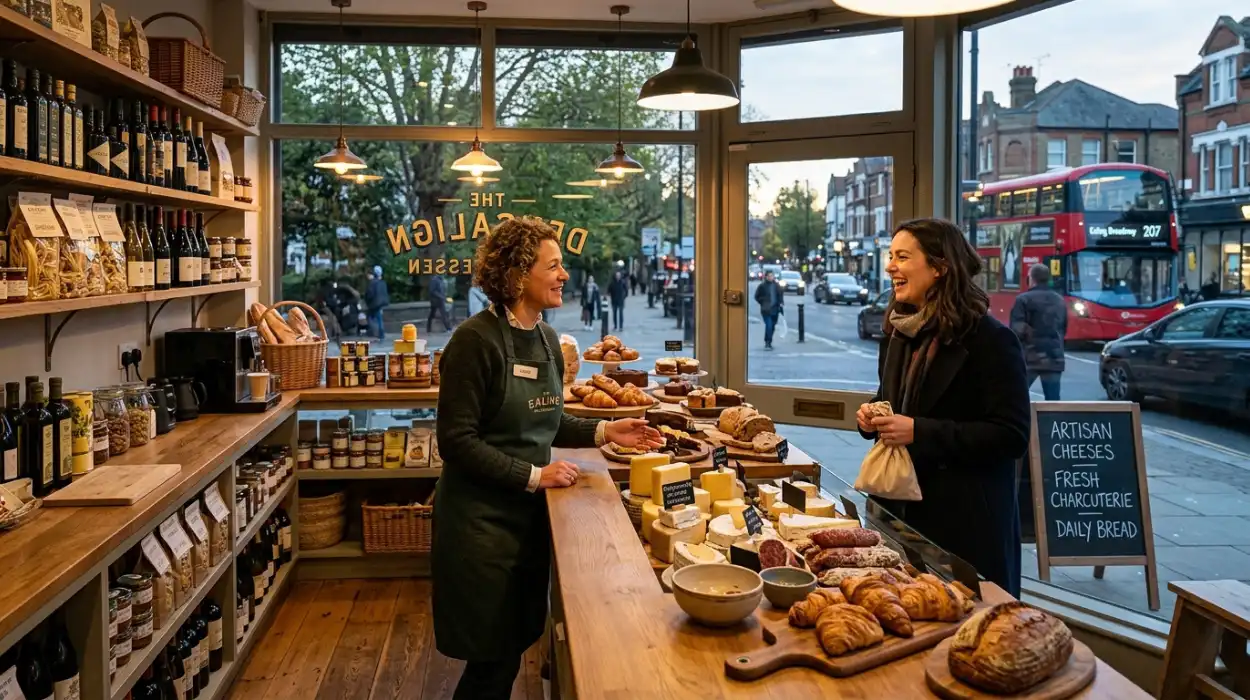
Independent shops can also offer something that online shopping cannot easily reproduce: conversation. Staff may suggest which cheese works with a particular chutney, explain how to serve an unfamiliar ingredient or recommend a bread to accompany a selection of cured meats.
For people who enjoy discovering food through stories and recommendations, this personal element is one of the biggest attractions.
Harrison’s: A Destination for Specialist Food
One of the established names worth knowing when exploring Ealing’s specialist food scene is Harrison’s. Located in Ealing, the independent business has developed a reputation for its selection of wines and fine foods.
Its food range includes British and European cheeses, artisan charcuterie, olives, condiments, oils, cakes and baked goods. This makes it particularly useful for shoppers who want to build a grazing board, prepare a special meal or find an unusual food gift.
The concept is straightforward but valuable: rather than buying every component separately from a supermarket, shoppers can discover complementary products in one specialist environment. A customer might choose a mature cheese, pair it with chutney and charcuterie, add olives and finish the selection with artisan bread.
For a tourist staying in self-catering accommodation, a shop such as this can also provide the ingredients for an informal dinner inspired by local shopping.
Discover British Cheese and Artisan Produce
Cheese is one of the most important categories in Britain’s specialist food culture, and independent delicatessens provide an excellent opportunity to explore beyond familiar supermarket brands.
A well-stocked deli may feature soft, hard, blue and washed-rind cheeses from different parts of Britain and Europe. Each has its own texture, aroma, ageing process and ideal pairings.
For someone unfamiliar with specialist cheese, asking for a recommendation is often the best approach. Instead of choosing solely based on appearance, customers can explain what they normally enjoy. Someone who prefers mild flavours might be guided towards a creamy cheese, while a customer looking for something stronger could explore mature or blue varieties.
Cheese can also become part of a broader food experience. Pairing it with sourdough bread, fruit preserves, honey, olives or charcuterie creates a simple but memorable meal that works for families, couples or groups of friends.
Cured Meats, Charcuterie and Antipasti
Another major attraction of independent delicatessens is charcuterie. Cured meats can introduce shoppers to culinary traditions from Britain, Italy, Spain, France and elsewhere in Europe.
Prosciutto, salami, chorizo and other cured products can be used in sandwiches, salads, sharing boards and cooked dishes. Their concentrated flavours mean that relatively small quantities can transform a meal.
Antipasti adds another layer to the experience. Marinated vegetables, olives, roasted peppers and other prepared ingredients can be combined with bread and cheese for a quick lunch or evening platter.
This is particularly useful for busy Ealing residents. Instead of spending hours preparing multiple dishes, a selection of quality deli ingredients can create an attractive meal with minimal preparation.
Explore International Flavours Across Ealing
Ealing’s cultural diversity is one of its greatest culinary strengths. The borough includes communities with roots across Europe, South Asia, the Middle East, Africa and many other parts of the world.
This diversity can be experienced through specialist food shops and international grocery businesses. In areas such as Southall, shoppers can find an extensive range of South Asian ingredients, sweets, spices, fresh produce and prepared foods. Elsewhere in the borough, European and Mediterranean food businesses contribute different flavours and traditions.
For tourists, this creates an interesting alternative to visiting only well-known central London food destinations. A journey through Ealing can become a form of culinary exploration, where each neighbourhood introduces different ingredients and cooking traditions.
Local residents can benefit in a more practical way. Specialist shops make it easier to find ingredients that may be difficult to source from conventional supermarkets, whether someone is cooking a family recipe or experimenting with an unfamiliar cuisine.
Ealing’s High Streets and Independent Food Culture
The character of Ealing’s high streets plays an important role in its independent food scene. Ealing Broadway, West Ealing, Northfields and Pitshanger each have their own collection of shops and food businesses.
West Ealing is particularly interesting for people combining deli shopping with a visit to the area’s farmers’ market. The market provides an opportunity to discover seasonal produce and meet producers, while nearby independent businesses offer specialist ingredients and prepared foods.
Northfields has a strong neighbourhood feel, with independent cafés, food shops and restaurants contributing to its community atmosphere. Pitshanger Village is another area worth exploring for visitors who enjoy smaller high streets rather than large commercial centres.
Acton also adds another dimension to the wider Ealing food landscape. Its independent businesses and diverse population have helped create a lively local food culture where traditional and international influences meet.
What Makes a Good Independent Delicatessen?
Not every food shop needs to offer hundreds of products to be worthwhile. A strong independent delicatessen often succeeds because of the quality, knowledge and character behind its selection.
Product provenance is one useful factor. Customers may want to know where a cheese was made, where cured meat originated or which producer supplied a particular preserve.
Freshness is equally important, particularly for bread, cakes, prepared foods and chilled products. A good deli should also have staff who understand what they sell and can answer practical questions.
Another important quality is curation. An independent deli does not necessarily need to stock everything. A carefully selected range can be more useful than shelves filled with products that have little connection to one another.
The best delicatessens often feel personal. Their selection reflects the interests of the owners, relationships with suppliers and preferences of their customers.
How to Shop at an Ealing Delicatessen
If you are visiting a deli for the first time, start by thinking about what you actually want to eat. Are you looking for ingredients for dinner, products for a picnic, a gift or something completely new?
If you want to create a sharing board, ask staff to recommend a combination of cheese, charcuterie, bread and accompaniments. This can prevent you from buying products that compete with each other.
If you are cooking a particular recipe, explain what you are making. Specialist staff may suggest an alternative ingredient or recommend a product that is more suitable than the one you originally intended to buy.
It is also worth exploring seasonal products. Fresh fruit, vegetables, bakery products and certain cheeses can change throughout the year, meaning that a deli visit in summer may offer a very different experience from one in winter.
A Perfect Deli Food Experience for Tourists
Tourists can incorporate Ealing’s independent food shops into a wider day of exploration. Start with a morning walk around one of the borough’s neighbourhoods before visiting a specialist food shop.
Pick up bread, cheese, fruit, olives or prepared foods and create a picnic for one of Ealing’s parks. Walpole Park is a natural choice, particularly for visitors who want to combine food with green space and a relaxed atmosphere.
Alternatively, take your purchases back to your accommodation and create a simple West London-inspired supper. This approach can be more affordable and personal than eating every meal in a restaurant.
For food enthusiasts, a deli visit can also become the beginning of a conversation about British and international food traditions. Ask questions, discover unfamiliar ingredients and note which products you would like to try again.
Supporting Independent Delis in Ealing
Choosing an independent delicatessen can have a wider impact than simply completing a food shop. Small businesses contribute to the character of local high streets and create spaces where customers can develop relationships with shopkeepers and staff.
When people return regularly, businesses can understand local preferences and respond to demand. This helps create a food environment that reflects the community rather than a generic retail model.
Supporting independent food shops can also encourage diversity. Specialist businesses often stock products that larger retailers would not consider commercially viable, giving customers access to a wider range of ingredients and culinary traditions.
For Ealing, this matters because the borough’s food identity is closely connected to its diverse communities and independent businesses.
The Best Way to Explore Ealing’s Deli Scene
There is no single route that covers every food business in the borough. The most rewarding approach is to explore gradually.
Begin with a neighbourhood that interests you and identify independent food shops, cafés, bakeries and markets nearby. Combine shopping with a walk through the local streets rather than treating the deli as an isolated destination.
If you are interested in British produce, look for specialist cheeses, bread, preserves and seasonal ingredients. If international flavours appeal to you, explore areas such as Southall and investigate specialist retailers offering ingredients from different culinary traditions.
Most importantly, remain curious. A product that looks unfamiliar may become the most memorable part of your visit.
Experience Ealing Through Its Unique Food Flavours
Exploring independent delicatessens in Ealing is an opportunity to understand the borough through ingredients, people and everyday food traditions. From British cheeses and artisan charcuterie to European delicacies and international ingredients, these businesses reveal how diverse culinary influences coexist across West London.
For residents, they provide practical places to buy quality ingredients and discover new flavours. For tourists, they offer an authentic glimpse into local shopping habits and neighbourhood life without requiring a formal food tour.
Whether you are building a weekend picnic, preparing a dinner, searching for a food gift or simply curious about something new, Ealing’s independent delis provide plenty of opportunities to explore.
The best experience is often simple: walk into a shop, ask a question, try something unfamiliar and take the time to discover the story behind the food.
Frequently Asked Questions
Where can I find independent delicatessens in Ealing?
Independent delicatessens and specialist food shops can be found across several Ealing neighbourhoods, including Ealing Broadway, West Ealing, Northfields, Pitshanger and Acton. Southall is particularly notable for its extensive international food businesses.
What can I buy from a delicatessen in Ealing?
Depending on the business, you may find artisan cheeses, cured meats, charcuterie, olives, bread, pastries, cakes, preserves, sauces, oils, specialist groceries and other prepared foods.
Are Ealing delicatessens suitable for tourists?
Yes. Delicatessens are an easy way for visitors to experience local food culture. You can buy ingredients for a picnic, prepare a meal at your accommodation or simply discover British and international products.
Which Ealing area is best for international food?
Southall is particularly well known for its South Asian food culture, while other parts of Ealing offer European, Mediterranean and international food businesses. Exploring different neighbourhoods provides the widest variety.
Can I buy British cheese from an Ealing deli?
Yes. Specialist food shops such as Harrison’s offer British and European cheeses alongside other fine-food products. Staff can often help you choose a cheese based on flavour and texture preferences.
Are independent delicatessens expensive?
Prices vary considerably depending on the product, producer and shop. Specialist foods can cost more than standard supermarket alternatives, but you can control your budget by buying smaller quantities or selecting a few premium ingredients for a meal.
What should I ask when visiting a delicatessen?
Ask where a product comes from, how it should be served, what it pairs well with and how it should be stored. If you are preparing a specific meal, tell the staff what you are cooking so they can recommend suitable ingredients.