
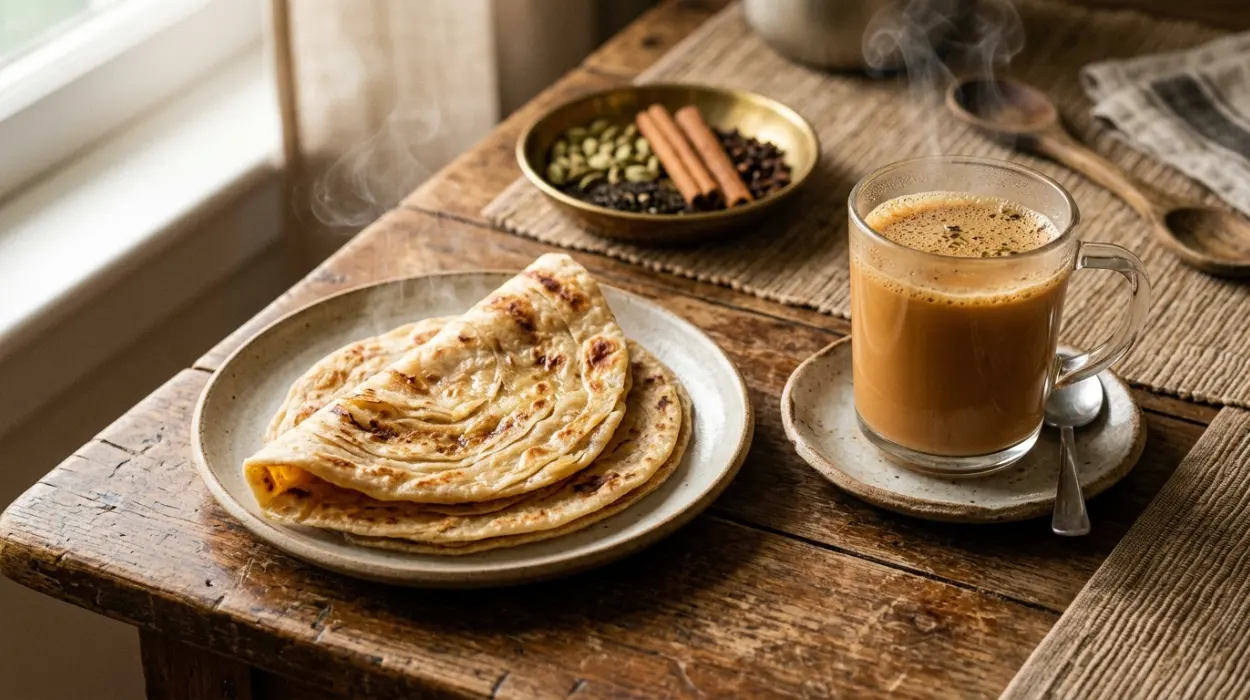
Ealing’s food scene reflects the multicultural character of West London, with restaurants and cafés serving dishes inspired by cuisines from across the world. Among the most comforting combinations is the pairing of freshly prepared chapati with karak chai. Simple, familiar and deeply connected with South Asian food culture, these two staples represent more than just something to eat and drink. They can be part of a relaxed meal, a quick stop during a busy day or a social occasion shared with family and friends.
Chapati & Karak brings together two elements that have become increasingly familiar to diners across Britain. Chapati is a traditional flatbread made from wheat flour, while karak is a strong, spiced milk tea associated particularly with South Asian and Gulf communities. Together, they create a combination that is filling, warming and adaptable to different meals.
For Ealing residents, a venue centred around these flavours can provide an alternative to conventional cafés and takeaway food. For tourists, it can offer an accessible introduction to South Asian culinary traditions while exploring one of London’s most diverse boroughs.
What Makes Chapati & Karak Special?
The appeal of Chapati & Karak lies partly in simplicity. Neither chapati nor karak requires an elaborate presentation to be enjoyable. Their character comes from preparation, ingredients, texture and the cultural traditions surrounding them.
Chapati is commonly eaten with curries, vegetables, lentils, grilled meats and other savoury dishes. It can be used to scoop up food or enjoyed alongside a meal as an alternative to rice or other breads.
Karak chai has a different role. It is often enjoyed as a hot drink throughout the day and is known for its strong tea flavour, milk and aromatic spices. Depending on the recipe, spices such as cardamom, cinnamon or ginger may contribute to its distinctive character.
The combination therefore works on several levels: food, drink, comfort and social connection.
Understanding Traditional Chapati
Chapati is one of the best-known flatbreads in South Asian cuisine. It is generally prepared using wheat flour and water, with the dough kneaded before being divided into portions and rolled into thin rounds.
The dough is then cooked on a hot flat surface, traditionally a tawa. Proper cooking can create a soft, flexible bread with lightly browned areas across its surface.
Although the ingredient list is simple, making good chapati requires practice. The consistency of the dough, thickness of the bread, cooking temperature and handling technique can all affect the final texture.
For diners, freshly prepared chapati can be noticeably different from packaged flatbreads. Its softness and warmth make it particularly suitable for eating immediately with savoury dishes.
What Is Karak Chai?
Karak chai is a strong milk tea with South Asian roots and particularly strong associations with tea culture in the Gulf. The word “karak” broadly conveys the idea of strong tea.
The drink is usually prepared by simmering tea with milk and sugar, often alongside aromatic spices. Cardamom is a common flavour, while recipes can vary considerably from one household or café to another.
The result is usually stronger and richer than a conventional cup of British tea. It is often served hot in a small cup or glass and can be enjoyed at different times of day.
For someone trying karak for the first time, the flavour may seem more intense than ordinary tea. The combination of strong black tea, milk, sweetness and spice creates a distinctive drink that is both warming and aromatic.
Why Chapati and Karak Work Together
At first glance, chapati and karak may seem like two unrelated items. In practice, they represent two different parts of a broader South Asian-inspired dining experience.
Chapati is primarily associated with a meal, while karak can accompany a meal or serve as a social drink afterwards. Together, they can create a casual food experience that works across different occasions.
For example, a customer might enjoy chapati with a savoury dish during lunch and finish with a cup of karak. Someone else may simply visit for tea and a lighter snack.
This flexibility is part of the appeal of the concept. It can suit a substantial meal, a quick break or a relaxed conversation with friends.
Chapati as Part of a Balanced Meal
Chapati is often paired with foods that provide different flavours and textures. A simple flatbread can accompany vegetable dishes, lentils, chickpeas, curries or meat-based preparations.
The bread itself is relatively neutral in flavour, which allows stronger sauces and spices to stand out.
For people unfamiliar with South Asian food, chapati can also be a comfortable introduction. It is easy to understand and works with many different dishes.
If you are ordering for the first time, ask which dishes pair particularly well with chapati. Staff may be able to recommend combinations based on whether you prefer mild, spicy, vegetarian or meat-based food.
Exploring South Asian Flavours in Ealing
Ealing is home to people from many cultural backgrounds, and its restaurant scene reflects this diversity. South Asian cuisine forms an important part of London’s wider food culture, with familiar dishes becoming increasingly popular among diners from all backgrounds.
A Chapati & Karak-style dining experience fits naturally into this environment. It provides a way to explore familiar South Asian ingredients in a casual setting.
For tourists, trying regional and cultural food can be one of the easiest ways to understand the communities that contribute to London’s identity.
Food is not simply about recipes. It can reveal migration patterns, family traditions, social habits and changing tastes.
The Social Culture Behind Karak Chai
Tea has an important social role across many cultures, and karak is no exception. It is often associated with conversations, gatherings and everyday breaks.
A cup of karak can be enjoyed while catching up with friends, taking a break from work or simply sitting down after a busy day.
This makes the drink particularly suitable for cafés and casual food venues. Unlike a quick takeaway coffee consumed while walking, karak can encourage people to slow down and enjoy the moment.
For Ealing locals, this can make a karak-focused venue an appealing place for informal social occasions.
A Convenient Choice for Busy Customers
Modern London life is fast-paced, and people often need food that fits around work, shopping, school and travel.
Chapati-based meals can be practical because they are filling and can be paired with different dishes. Karak is similarly convenient as a hot drink that can be enjoyed during a short break.
A customer might visit during a weekday lunch, stop by after shopping or pick up food on the way home.
For visitors, the same flexibility can make the experience easy to include in an Ealing itinerary.
Vegetarian and Dietary Considerations
South Asian food offers many vegetarian possibilities, and chapati can be paired with vegetables, lentils, chickpeas and other plant-based dishes.
However, customers should not assume that every dish is vegetarian or vegan simply because it is served with chapati. Ingredients such as dairy, ghee or other animal products may be used depending on the recipe.
Karak chai is typically milk-based, so people avoiding dairy should ask whether a suitable alternative is available.
Customers with allergies should always speak directly with staff about ingredients and preparation methods. This is particularly important for allergies involving wheat, dairy, nuts or other commonly used ingredients.
How to Enjoy Chapati Like a Local
If you are new to chapati-based dining, the easiest approach is to treat it as part of the meal rather than as a standalone bread.
Tear off a manageable piece and use it to pick up a little of the accompanying dish. The soft texture makes it suitable for scooping up sauces and vegetables.
You can also eat chapati alongside a curry or lentil dish using cutlery if that feels more comfortable.
There is no need to rush. Part of the experience is enjoying different textures and flavours together.
If you are unsure how a particular dish is traditionally eaten, asking the staff is perfectly reasonable and can make the meal more enjoyable.
Choosing the Right Karak
Karak chai can vary in strength, sweetness and spice. If you are trying it for the first time, you may want to ask how sweet or strongly spiced the tea is before ordering.
Cardamom is a common flavour, but different recipes can include other spices. Some versions may be particularly creamy, while others emphasise the tea itself.
There is no single universal recipe for karak. Like many traditional drinks, it evolves according to local preferences and family traditions.
This variation is part of what makes trying karak in different places interesting.
Chapati & Karak for Families and Friends
The casual nature of chapati and karak makes the concept suitable for social dining. Families can share different dishes, while groups of friends can meet for food and tea without the formality of a long restaurant meal.
For younger diners who are already familiar with South Asian flavours, the combination can feel comforting and familiar. For visitors, it can be an opportunity to discover something new in a relaxed environment.
The social aspect is particularly important because food traditions often develop around shared meals rather than individual portions.
What Tourists Can Explore Around Ealing
A visit to a Chapati & Karak venue can easily become part of a wider Ealing day out. The borough offers green spaces, shopping areas, cultural attractions and historic architecture.
Walpole Park is a useful place for a leisurely walk, while Pitzhanger Manor & Gallery provides an opportunity to explore local heritage and contemporary culture.
Ealing Broadway is also a convenient area for shopping, transport and exploring nearby streets.
Combining a meal with local sightseeing allows visitors to experience Ealing as a neighbourhood rather than simply passing through it.
Why Traditional Food Still Matters in Modern London
The popularity of dishes such as chapati and drinks such as karak demonstrates how traditional food can adapt to modern urban life.
London is one of the world’s most multicultural cities, and its food culture reflects generations of migration and cultural exchange.
Traditional recipes are not necessarily frozen in the past. They can be served in modern cafés, enjoyed by younger generations and introduced to customers from completely different backgrounds.
For Ealing, this cultural variety is an important part of the borough’s identity.
Making the Most of a Chapati & Karak Visit
If you are planning to visit a Chapati & Karak-style food venue in Ealing, consider what you want from the experience. If you are hungry, look for a complete chapati-based meal. If you simply want to explore the tea culture, karak can provide a shorter and lighter experience.
Ask about daily specials, ingredient combinations and spice levels if these are not immediately clear from the menu.
If you are visiting with friends, sharing different dishes can also help you discover more flavours without committing to one large order.
Always check the current menu, opening times and dietary information before travelling, as restaurant offerings can change.
Discovering Ealing Through Food
Food provides an easy way to connect with the cultural character of a neighbourhood. In Ealing, the variety of restaurants reflects the borough’s diverse communities and changing tastes.
Chapati & Karak represents a particularly comforting combination: warm flatbread, flavourful food and strong spiced tea. It can be enjoyed as a quick meal, a family outing or a relaxed social occasion.
For locals, it offers an opportunity to enjoy familiar flavours or discover something different close to home. For tourists, it provides another perspective on modern London and the South Asian influences that have become an important part of British food culture.
Whether you are visiting for the chapati, the karak or simply the experience, taking time to appreciate the ingredients and traditions behind the food can make an ordinary meal much more memorable.
FAQs About Chapati & Karak
What is Chapati & Karak?
Chapati & Karak refers to a food and drink combination centred around chapati, a South Asian flatbread, and karak, a strong spiced milk tea. It can also describe a casual dining concept built around these favourites.
What is chapati usually eaten with?
Chapati can be served with curries, lentils, vegetables, chickpeas, grilled foods and other savoury dishes. It works particularly well with dishes containing sauces or gravies.
What does karak chai taste like?
Karak chai is generally strong, milky and sweet, with aromatic spices such as cardamom often contributing to its flavour. Recipes vary between cafés and regions.
Is chapati vegetarian?
Plain chapati is generally made from wheat flour and water, although recipes can vary. Customers following a strict vegetarian or vegan diet should check whether butter, ghee or other ingredients are used.
Does karak chai contain milk?
Traditional karak chai is normally prepared with milk. Anyone avoiding dairy should ask whether a suitable alternative is available.
Is Chapati & Karak suitable for families?
Yes, chapati-based meals can be suitable for families because different dishes can be shared and adapted to different preferences. Always check the individual venue’s facilities and current menu.
Why is karak chai popular in London?
Karak chai has become popular as London’s food scene has embraced flavours and traditions from South Asian and Gulf communities. Its strong tea, milk and aromatic spices offer an alternative to conventional tea and coffee.