
Ealing is one of West London’s most attractive residential boroughs, offering a combination of leafy streets, period architecture, excellent transport connections, independent businesses and convenient access to central London. Although property prices vary significantly across the borough, certain neighbourhoods consistently attract higher prices because of their housing stock, location, amenities and lifestyle appeal.
For anyone researching the most expensive areas to live in Ealing, it is important to understand that there is no single definition of an expensive neighbourhood. Property type makes a major difference. A large detached house with a garden can cost substantially more than a flat in the same area, while a beautifully renovated Victorian or Edwardian home may command a significant premium because of its character and location.
The borough-wide housing market provides useful context. Recent official figures place the average Ealing property price in the region of the mid-£500,000s, but premium homes in desirable neighbourhoods can sell for considerably more. Understanding the differences between areas is therefore essential for buyers, renters, families, professionals and anyone considering a move to Ealing.
What Makes an Ealing Neighbourhood Expensive?
Several factors influence property values in Ealing. Transport is one of the most important because many residents commute into central London or other parts of the capital. Areas close to Underground stations, Elizabeth line services and National Rail connections can attract strong demand.
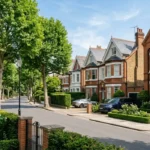
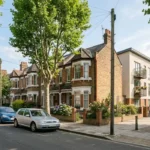
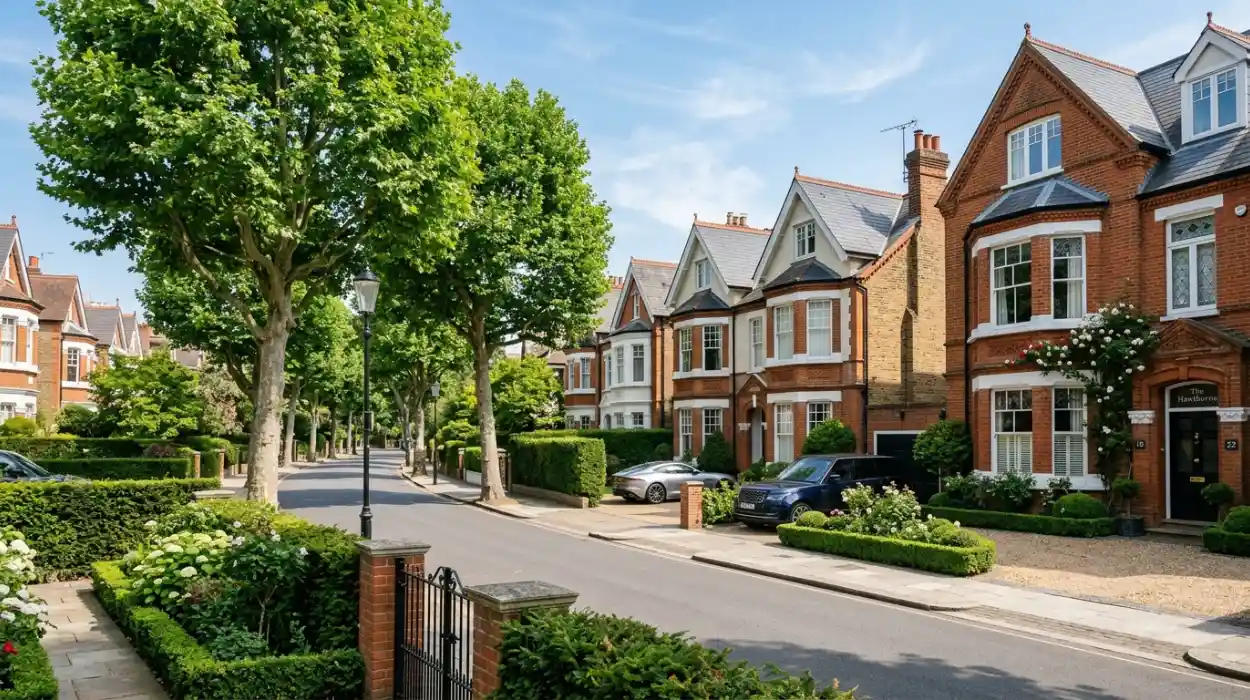
Housing quality is another major factor. Ealing contains many Victorian and Edwardian properties, including terraced houses, semi-detached homes and detached residences. Larger properties with gardens, off-street parking, additional bedrooms and attractive period features naturally command higher prices.
Local amenities also influence desirability. Residents may be prepared to pay more for a home close to restaurants, independent cafés, shops, schools, parks and cultural facilities. The overall character of a neighbourhood matters too. Quiet residential roads, attractive architecture and a strong community atmosphere can make an area more desirable.
Walpole: A Premium Residential Choice
Walpole is frequently mentioned among the most expensive parts of Ealing, particularly for buyers seeking substantial period homes. The neighbourhood has an established residential character and includes attractive streets with Victorian and Edwardian properties.
Its location provides access to central Ealing while retaining a quieter atmosphere away from the busiest commercial streets. Residents can reach shops, restaurants, cafés and transport services without necessarily living directly above or beside a busy high street.
The housing stock is a major part of Walpole’s appeal. Larger houses with gardens can attract families looking for long-term homes, while period details and generous room sizes appeal to buyers who value traditional London architecture.
A buyer considering Walpole should nevertheless assess individual streets and properties rather than relying on an area-wide average. Renovation quality, garden size, parking, extensions and proximity to transport can all create substantial price differences.
Northfield: Popular With Families
Northfield is another highly desirable residential area. Its appeal is particularly strong among families who want more space while remaining within reach of London’s employment and transport network.
The neighbourhood contains a mixture of houses and flats, but larger family properties are an important part of its residential identity. Buyers often consider garden space, additional bedrooms, quiet streets and access to local amenities when comparing homes.
Northfield also benefits from the wider attractions of Ealing. Residents can access restaurants, cafés, shops, parks and transport options across neighbouring parts of the borough.
For a family moving from another part of London, Northfield can provide a suburban-style environment without leaving the capital. This combination helps explain why demand for desirable properties can remain strong.
Southfield: Attractive for Space and Lifestyle
Southfield is another area associated with premium housing within Ealing. The neighbourhood appeals to residents who value attractive residential streets, larger homes and access to green spaces.
Its location also puts residents within reach of neighbouring Chiswick and other well-known West London districts. This gives Southfield a broader lifestyle appeal, particularly for professionals and families who want a quieter environment while remaining connected to central London.
Property values can vary considerably according to the type of home. A modern flat, a compact terrace and a large detached property should not be treated as equivalent when comparing prices.
For buyers, Southfield is therefore best understood as a desirable residential area where property size, condition and exact location play a major role in determining value.
Ealing Broadway: Premium Prices for Connectivity
Ealing Broadway is one of the borough’s best-known locations and one of its most important commercial and transport centres. It is particularly attractive to people who prioritise convenience.
The area offers shops, restaurants, cafés, entertainment venues, professional services and transport connections. The Elizabeth line has further strengthened its position by providing fast connections towards central London and other destinations.
Property around Ealing Broadway ranges from flats and apartments to substantial period houses. Some of the most expensive homes are located on quieter residential roads surrounding the commercial centre rather than directly on the busiest streets.
For professionals, Ealing Broadway can be particularly attractive because commuting is straightforward. For families, nearby amenities and green spaces add to its appeal. The combination of convenience and residential character helps maintain strong demand.
Hanger Hill: Larger Homes and Leafy Streets
Hanger Hill deserves attention when considering expensive areas in Ealing, particularly for buyers interested in larger properties.
The neighbourhood includes substantial houses, gardens and residential streets that appeal to families and buyers looking for more floor space. Some properties can command premium prices because they offer features that are difficult to find in more densely developed parts of London.
The area also provides access to green spaces and transport connections, creating a balance between suburban living and London accessibility.
For someone searching for a large family home, Hanger Hill may therefore be more relevant than an area where flats dominate the property market. The cost of a home needs to be considered alongside what the buyer receives in terms of bedrooms, garden space, parking and overall floor area.
Pitshanger: Village Character in West London
Pitshanger has a distinctive identity that makes it popular with residents who prefer a neighbourhood atmosphere. The area is known for its local shopping environment, independent businesses and community feel.
This village-like character can be particularly appealing to families and professionals who want access to everyday amenities without relying entirely on major shopping centres.
Pitshanger’s housing includes attractive residential streets and properties with character. Buyers may be willing to pay a premium for homes that combine traditional architecture with access to local amenities and green space.
The area’s desirability demonstrates that property prices are not determined by transport alone. Lifestyle and neighbourhood identity can be equally important.
South Ealing and Northfields
South Ealing and Northfields are also important when discussing desirable parts of the borough. Both areas provide established residential communities alongside local shops, restaurants and transport options.
Northfields has a recognisable high street and a strong neighbourhood identity. Its combination of independent businesses, cafés and residential streets makes it appealing to people who want a community-focused environment.
South Ealing provides another attractive option for residents who want access to central London while living in a predominantly residential area.
Prices in both areas can vary substantially according to property type. Period houses, homes with gardens and properties close to transport can command a considerable premium over smaller flats or properties requiring significant renovation.
Why Period Properties Are Often More Expensive
One of the defining characteristics of Ealing’s premium housing market is its stock of period properties. Victorian and Edwardian homes can offer features that are difficult to replicate in modern construction.
High ceilings, bay windows, fireplaces, large rooms, original flooring and decorative details can all contribute to buyer appeal. Gardens and generous plots are another important attraction, particularly for families.
However, period properties can also involve higher maintenance costs. Older roofs, windows, heating systems, electrical installations and plumbing may need upgrading.
A buyer should therefore look beyond the appearance of a property. A beautiful Victorian house may be expensive to purchase and renovate, while a smaller modern property could offer greater energy efficiency and lower maintenance costs.
How Transport Affects Ealing Property Prices
Transport accessibility is one of the strongest factors behind Ealing’s residential appeal. The borough benefits from several Underground stations, National Rail services and Elizabeth line connections.
Ealing Broadway is particularly significant because residents can access multiple transport options from a central location. Northfields, South Ealing and other neighbourhoods also benefit from established Underground connections.
For commuters, travel time can have a direct influence on where they are willing to live. A buyer may accept a higher property price if it significantly reduces the daily journey to work.
The same principle applies to renters. A property with a slightly higher monthly rent may be more attractive if it saves substantial commuting time and transport costs.
Is Ealing More Expensive Than Other Parts of West London?
Ealing sits within a highly varied West London housing market. Some nearby areas, particularly parts of Chiswick, Richmond and Hammersmith, can command very high prices, while other parts of West London offer more accessible options.
Within Ealing itself, the variation is equally important. A buyer looking only at the borough-wide average could easily underestimate the cost of premium family houses.
This is why comparing specific property types is more useful than simply comparing neighbourhood averages. A two-bedroom flat in one area may cost less than a four-bedroom terrace elsewhere, regardless of which neighbourhood has the higher overall reputation.
Renting in Ealing’s Most Expensive Areas
Buying is not the only way to live in Ealing’s premium neighbourhoods. Renting can provide access to desirable locations for professionals, families and people who are not ready to purchase.
Rental prices are influenced by many of the same factors as sales prices. Larger homes, modern interiors, gardens, parking and proximity to transport can all attract higher rents.
Tenants should consider the complete cost of living rather than rent alone. Council tax, energy bills, transport, parking and maintenance responsibilities can affect the monthly household budget.
For someone working in central London, paying more for a well-connected property may still make financial sense if it reduces commuting time and travel costs.
How to Decide Whether an Expensive Ealing Area Is Worth It
An expensive neighbourhood is not automatically the best neighbourhood for every person. Buyers should begin by identifying their priorities.
A professional commuter may value Ealing Broadway’s transport connections above everything else. A family may prefer Walpole, Northfield or Hanger Hill because of larger houses and quieter residential streets. Someone who values independent shops and community atmosphere may prefer Pitshanger or Northfields.
Property condition should also be investigated carefully. Buyers should consider lease length for flats, service charges, building condition, planning permissions, potential renovation costs and energy efficiency.
The right property is one that fits both the lifestyle and the budget rather than simply carrying the highest price tag.
The most expensive areas to live in Ealing include desirable neighbourhoods such as Walpole, Northfield, Southfield, Ealing Broadway and Hanger Hill, while Pitshanger, South Ealing and Northfields also offer attractive residential environments.
What makes these locations expensive is not one single factor. A combination of period housing, larger properties, gardens, transport connections, local amenities, green spaces and neighbourhood character creates strong demand.
Ealing’s appeal is that residents can experience different versions of West London within one borough. Someone seeking a busy, connected lifestyle can choose Ealing Broadway, while families looking for space and quieter streets can explore Walpole, Northfield or Hanger Hill.
Ultimately, the best area depends on individual priorities. Buyers and renters should compare actual properties, local transport, housing condition, amenities and total living costs rather than relying solely on neighbourhood rankings. With careful research, it is possible to find a home in Ealing that offers the right balance between location, lifestyle and value.
Frequently Asked Questions
What are the most expensive areas to live in Ealing?
Walpole, Northfield, Southfield, Ealing Broadway and Hanger Hill are among the most desirable and higher-priced areas. Pitshanger, South Ealing and Northfields can also command premium prices.
Is Ealing an expensive place to live?
Ealing is relatively expensive compared with many parts of the UK, although prices vary considerably across the borough. Larger houses and properties in premium neighbourhoods can be significantly above the local average.
Which part of Ealing is best for families?
Walpole, Northfield, Hanger Hill, Southfield and parts of Pitshanger are popular considerations for families because of their residential character, larger homes, gardens and access to local amenities.
Is Ealing Broadway expensive to live in?
Ealing Broadway can be expensive, particularly for well-maintained houses near transport links. However, the area also contains flats at a range of price points, so costs vary by property type.
Which Ealing areas have the largest houses?
Hanger Hill, Walpole, Northfield and parts of Ealing Broadway contain larger detached and semi-detached properties. Individual streets can vary considerably in housing size and price.
Is Northfields a good place to live?
Northfields is popular for its community atmosphere, local businesses, residential streets and transport connections. It can be particularly appealing to professionals and families seeking a balance between convenience and neighbourhood character.
Are Ealing house prices likely to remain high?
Demand for desirable Ealing properties is supported by London’s employment market, transport connections, housing characteristics and local amenities. However, property prices can rise or fall depending on wider economic conditions, mortgage rates and housing demand.