
Living in Ealing offers many advantages, from excellent transport links and green spaces to a diverse food scene and convenient shopping. However, like much of London, the cost of everyday life can quickly add up. Rent, groceries, transport, eating out, energy bills and entertainment can all place pressure on a household budget. Knowing where to cut costs without giving up everything you enjoy is therefore an important part of making life in Ealing more affordable.
If you are wondering How to Save Money Living in Ealing, the most effective approach is not usually one dramatic change. Instead, small decisions made regularly can create substantial savings over a month or year. Choosing a cheaper supermarket, using public transport strategically, taking advantage of Ealing’s parks, comparing household bills and planning social activities can all make a difference.
Understand Your Biggest Expenses in Ealing
Before trying to save money, identify where most of your income is going. For many Ealing residents, housing is likely to be the largest monthly expense, followed by transport, food and household bills. Someone renting a room in a shared house will have a very different budget from a family renting an entire property, so there is no universal saving strategy.
Create a simple monthly budget covering rent or mortgage payments, council tax, utilities, mobile phone costs, transport, groceries, subscriptions, eating out and leisure. Once essential spending is separated from optional spending, it becomes easier to identify areas where you can make realistic changes.
For example, cancelling three unused subscriptions may save more than repeatedly looking for a small discount on groceries. Similarly, reducing unnecessary journeys by car could have a greater impact than cutting out an occasional coffee.
Save Money on Groceries
Food shopping is one of the easiest areas to review because Ealing has a wide selection of supermarkets, convenience shops, independent food stores and markets. Rather than automatically doing your entire shop at the nearest supermarket, compare prices for the products you buy most frequently.
Discount supermarkets such as Lidl can be useful for everyday essentials, particularly if you are comfortable choosing supermarket own-brand products. Larger supermarkets such as Tesco, Sainsbury’s and Morrisons may also offer competitive prices on selected products, especially when loyalty schemes and promotions are used sensibly.
The most important rule is to compare the price per kilogram, litre or unit rather than simply comparing packet prices. A larger package is not automatically cheaper, and a special offer is not a saving if you would not have purchased the item otherwise.
Meal planning can make your grocery budget go further. Before shopping, decide what you are likely to cook during the week and build your list around those meals. This reduces impulse purchases and makes it easier to use ingredients before they go to waste.
Use Supermarket Loyalty Schemes Wisely
Loyalty schemes can be useful for reducing the cost of regular shopping. Tesco Clubcard, Sainsbury’s Nectar and Lidl Plus are examples of programmes that can provide discounts or personalised offers.
The key is to use these schemes as a budgeting tool rather than a reason to spend more. If you regularly buy a particular product and the loyalty price is lower, the saving is meaningful. However, purchasing extra items simply because they are advertised as special offers can increase your total bill.
Keep a note of the products you buy repeatedly and compare their prices between supermarkets. This creates a practical shopping routine rather than relying on whichever promotion happens to catch your attention.
Walk and Cycle When Practical
Ealing is well connected, but transport can still become a significant expense if you travel frequently. Public transport is often necessary for commuting, yet not every journey needs to involve a bus, Tube or train.
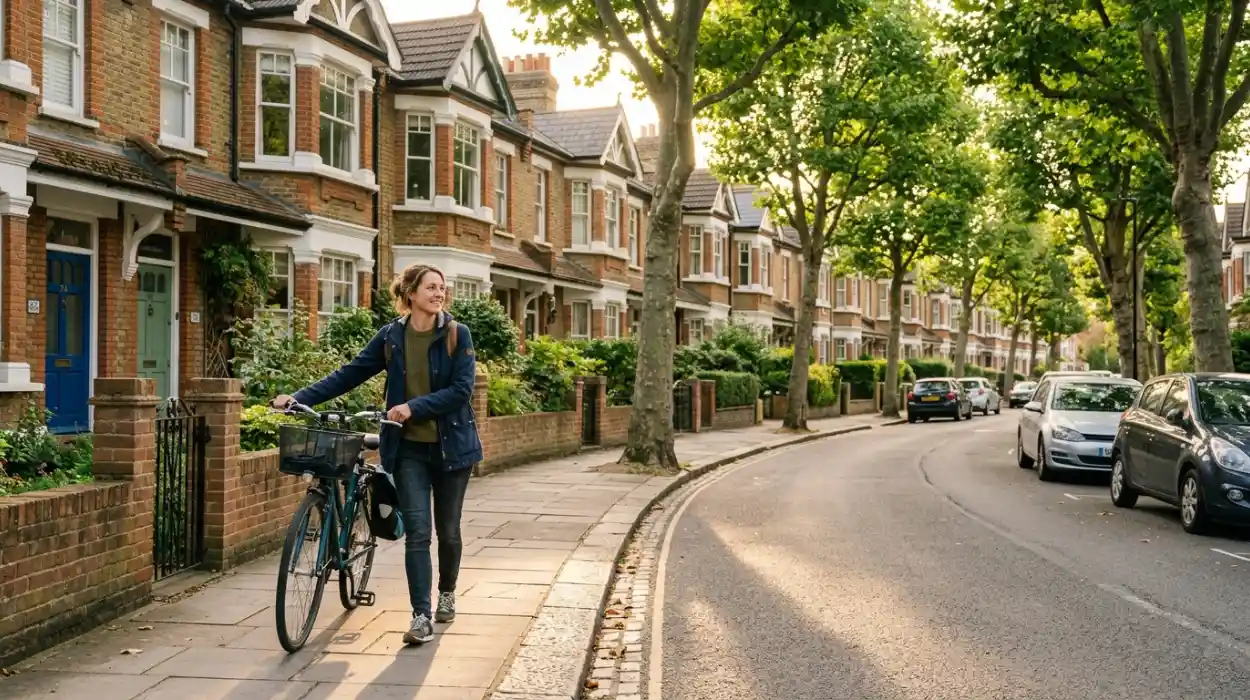
For shorter journeys, walking can be a straightforward way to save money while also allowing you to explore neighbourhoods such as Ealing Broadway, West Ealing, Hanwell, South Ealing and Northfields. Routes that seem short on a map can sometimes be comfortably walked, particularly when you have enough time.
Cycling can also be useful for people who are comfortable riding in London. It may reduce reliance on public transport for local journeys, although safety should always come first and routes should be chosen carefully.
The saving becomes more noticeable when small journeys are considered over an entire month. Avoiding several unnecessary paid trips each week can reduce transport expenditure without changing your main commute.
Take Advantage of Ealing’s Parks and Green Spaces
One of the best ways to save money in Ealing is to make greater use of its outdoor spaces. Leisure does not always have to involve restaurants, cinemas, shopping centres or paid attractions.
Walpole Park, for example, provides a pleasant setting for walking, relaxing, meeting friends or enjoying a packed lunch. Ealing Common and other local green spaces can also provide free opportunities to spend time outdoors.
Instead of automatically arranging an expensive weekend activity, consider a walk, picnic or self-guided neighbourhood exploration. For families, outdoor activities can be particularly valuable because they provide entertainment without the admission fees associated with many commercial attractions.
A simple change in routine can therefore make your social life more affordable without making it less enjoyable.
Cook at Home More Often
Eating out is one of the easiest ways for a London budget to disappear. Ealing has a diverse restaurant and takeaway scene, making it tempting to order food regularly, but frequent meals outside the home can quickly become a substantial monthly expense.
This does not mean you need to stop eating out completely. Instead, decide how often restaurant meals or takeaways fit comfortably within your budget. Cooking at home for most weekday meals and reserving restaurants for planned occasions can provide a better balance.
Batch cooking can make this even easier. Prepare several portions of meals such as curries, pasta dishes, soups or rice-based meals and refrigerate or freeze what you will not eat immediately. This reduces the temptation to order takeaway food when you are tired or short of time.
For someone working in central London and returning to Ealing in the evening, preparing lunch at home can also prevent daily spending on cafés and takeaway meals.
Find Affordable Ways to Socialise
Saving money does not mean becoming isolated. Ealing offers plenty of ways to meet friends without spending heavily.
Instead of meeting exclusively at restaurants or bars, consider coffee at home, walks through local parks, picnics, film nights or shared meals. If you do want to eat out, check menus and prices before choosing a venue and consider lunch deals or set menus where appropriate.
Residents can also explore community activities, libraries, local events and free public spaces. The best low-cost activities are often those that allow you to spend time with other people without making the activity itself the main expense.
For visitors staying in Ealing, this approach can also reduce travel costs while providing a more local experience of the area.
Review Your Energy and Household Bills
Household bills deserve regular attention because even small monthly reductions can add up over the year. Review your electricity, gas, broadband, mobile phone and insurance arrangements when contracts or renewal periods arrive.
Avoid automatically accepting renewal prices without checking whether a better deal is available. At the same time, do not switch solely because an advertised price looks cheaper; check contract terms, introductory periods and any additional charges.
Simple habits at home can also reduce energy consumption. Turning off lights and appliances when they are not needed, avoiding unnecessary heating and using washing machines efficiently can help control household costs.
If you live in rented accommodation, understand which bills are included in your rent and which are your responsibility. This prevents unexpected expenses and makes monthly budgeting more accurate.
Choose Affordable Entertainment
Entertainment does not need to be expensive. Ealing’s location means residents can enjoy London’s attractions, but travelling into central London for every activity can quickly increase spending.
Before buying tickets, look for free events, local exhibitions, parks, community activities and public spaces. When a paid attraction is worthwhile, check whether booking ahead, travelling at an off-peak time or using an eligible discount can reduce the cost.
Streaming subscriptions should also be reviewed periodically. If you have several services but only actively use one or two, cancelling the others could provide an easy monthly saving.
The same principle applies to memberships. Gym memberships, clubs and other subscriptions should be judged by how frequently you actually use them.
Make Better Use of Public Transport
Transport costs are often unavoidable for Ealing residents, particularly commuters. However, planning when and how you travel can help control expenditure.
If your work schedule allows flexibility, understand whether travelling at off-peak times could reduce the cost of some journeys. For regular commuters, compare the available ticketing options and make sure you are using the arrangement that best matches your travel pattern.
Ealing has access to several transport options, including the Elizabeth line, London Underground, London buses and National Rail services. The best option depends on your destination, timetable and fare requirements.
Avoid making unnecessary cross-London journeys when a local alternative is available. Combining errands into one trip can also save both time and transport costs.
Shop Locally and Compare Prices
Independent shops can sometimes be more competitive than expected, particularly for specialist foods and fresh produce. Ealing’s diverse communities mean residents can find shops selling ingredients from different parts of the world.
However, local does not automatically mean cheap. Compare prices, pack sizes and quality before deciding where to buy. A specialist shop may offer excellent value for one product while a supermarket may be better for another.
A useful strategy is to divide your shopping. Buy everyday staples where they are cheapest, purchase fresh products where quality and price make sense, and avoid travelling across the borough for a tiny saving that costs more in time or transport.
Avoid Lifestyle Inflation
One of the less obvious ways of saving money is preventing your spending from automatically increasing whenever your income rises. If you receive a pay rise, it can be tempting to upgrade your phone, eat out more frequently or increase discretionary spending.
Instead, consider directing part of the additional income towards savings or financial goals before changing your lifestyle. This can make it easier to build an emergency fund or save for a future move, holiday or major purchase.
For Ealing residents, this is particularly relevant because London’s higher living costs can absorb additional income surprisingly quickly.
Build an Ealing-Friendly Monthly Budget
A practical budget should reflect your actual life rather than an unrealistic ideal. Start with fixed costs such as rent, council tax and regular bills. Then estimate variable expenses including groceries, transport, social activities and personal spending.
Give yourself a realistic allowance for enjoyment. Completely eliminating discretionary spending can make a budget difficult to maintain, whereas setting a defined amount allows you to enjoy Ealing while remaining financially responsible.
For example, you could decide on a weekly grocery limit, a monthly restaurant budget and a separate entertainment allowance. Once these amounts are established, you can make choices within those limits rather than wondering whether every individual purchase is affordable.
How Much Can You Save Living in Ealing?
The amount you can save depends heavily on your housing situation, income, family size and lifestyle. Someone living alone may have more flexibility with food and transport, while families may benefit from buying larger quantities and planning meals carefully.
The important point is that savings accumulate. Cutting £20 from groceries, £15 from subscriptions, £20 from unnecessary transport and £25 from eating out would create £80 of monthly savings. Over a year, that becomes £960.
You do not need to make every possible saving at once. Choose two or three areas where spending is currently higher than necessary and make those changes sustainable.
A Practical Approach to Saving Money in Ealing
The most effective way to save money is to make your local environment work in your favour. Shop around rather than automatically choosing the nearest store, walk when practical, use Ealing’s green spaces for free leisure, cook at home regularly and review recurring bills.
Think about the difference between cheap and good value. The cheapest option is not always the best if it involves poor quality, excessive travel or something you will not use. Good value means receiving something worthwhile while keeping the overall cost under control.
Whether you are a long-term Ealing resident, a student, a young professional, a family or a tourist staying locally, these principles can help make your money go further.
Learning How to Save Money Living in Ealing is mainly about making deliberate everyday choices. Housing may be your biggest expense, but groceries, transport, eating out, subscriptions and entertainment can quietly create significant additional costs.
Ealing provides plenty of opportunities to live economically without giving up its attractions. Affordable supermarkets, public transport, parks, walking routes, local shops and free activities can all become part of a sensible lifestyle.
The goal is not to avoid spending altogether. It is to spend where it matters to you and reduce unnecessary costs elsewhere. With a realistic budget and a little planning, living in Ealing can become considerably more manageable while still allowing you to enjoy everything the area has to offer.
FAQs
What is the easiest way to save money living in Ealing?
Start by reviewing your largest regular expenses, particularly groceries, transport, subscriptions and eating out. Small reductions across several categories can create meaningful monthly savings without requiring major lifestyle changes.
Is Ealing expensive to live in?
Ealing is part of London, so housing and everyday expenses can be significant. However, costs vary considerably depending on the neighbourhood, accommodation type and lifestyle. Careful budgeting can help residents manage expenses more effectively.
How can I save money on food in Ealing?
Compare supermarkets, use own-brand products, plan meals and check unit prices. Loyalty schemes can also reduce the cost of products you already intend to buy. Cooking at home and reducing food waste can provide additional savings.
What are free things to do in Ealing?
Walking through local parks, exploring neighbourhoods, enjoying green spaces and attending suitable free community events can provide affordable entertainment. Walpole Park and Ealing Common are useful examples of places where you can spend time without paying an admission fee.
Can walking help reduce living costs in Ealing?
Yes. Walking shorter local journeys can reduce spending on public transport and other travel costs. It can be particularly useful for errands around areas such as Ealing Broadway, West Ealing, Hanwell and South Ealing when the distance and route are practical.
How can families save money in Ealing?
Families can benefit from meal planning, buying suitable household staples in larger quantities, using free outdoor spaces and choosing low-cost activities. Planning ahead can also reduce impulse purchases and expensive last-minute meals.
How can I save money while still enjoying Ealing?
Set a realistic budget for restaurants, entertainment and social activities rather than eliminating them completely. Combine paid experiences with free activities, shop carefully and prioritise the things you genuinely enjoy.