
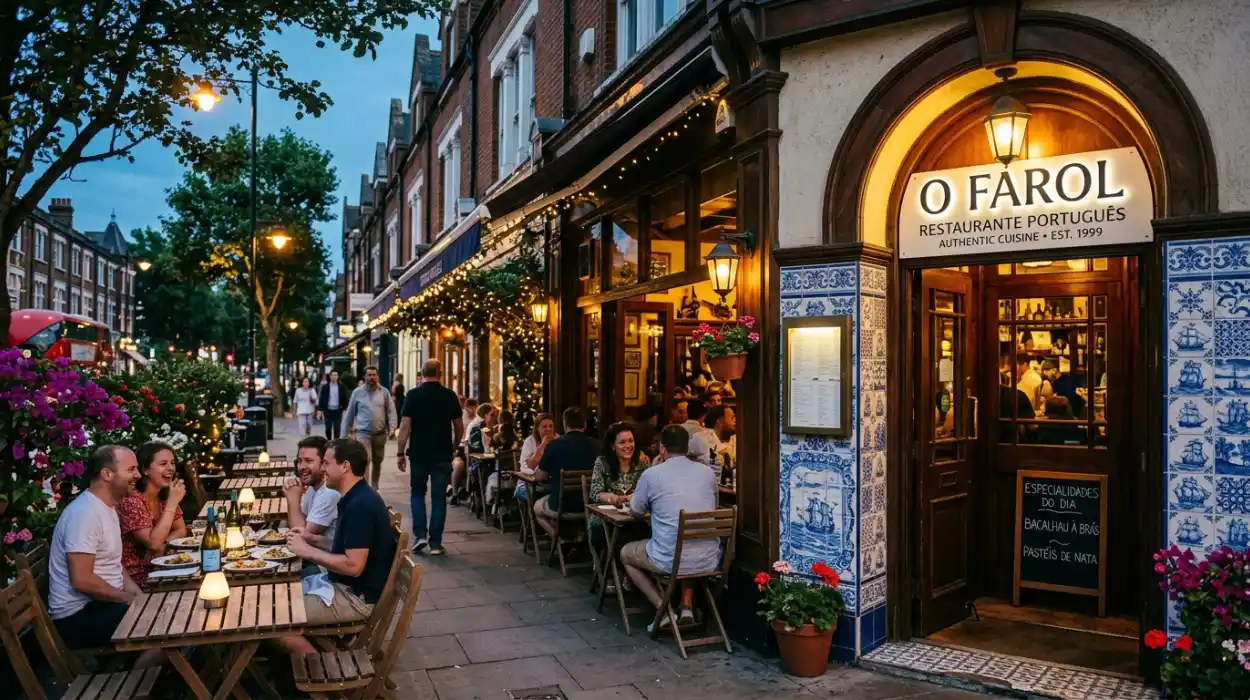
Ealing is one of West London’s most vibrant and culturally diverse destinations, attracting both local residents and international visitors looking for exceptional food experiences. Among the many cuisines available across the borough, Portuguese restaurants in Ealing have developed a loyal following thanks to their authentic recipes, welcoming hospitality, and distinctive flavours.
Portuguese cuisine combines Mediterranean influences, Atlantic seafood traditions, and centuries of culinary heritage. Whether you are looking for charcoal-grilled chicken, freshly prepared seafood, traditional pastries, or regional Portuguese specialities, Ealing offers several opportunities to experience genuine Portuguese dining without travelling abroad.
This guide explores what makes Portuguese cuisine unique, why Portuguese restaurants continue to grow in popularity across West London, what diners should expect from an authentic Portuguese menu, and how to choose the right venue for different occasions.
Why Portuguese Cuisine Appeals to Diners in Ealing
Portuguese food is known for its simplicity, freshness, and emphasis on quality ingredients. Unlike heavily processed meals, traditional Portuguese cooking focuses on natural flavours, olive oil, herbs, garlic, seafood, meats, and vegetables.
Many visitors searching for Portuguese restaurants in Ealing are looking for dishes that balance comfort food with culinary authenticity. Portuguese meals often bring together family-style dining, generous portions, and recipes that have been passed down through generations.
The popularity of Portuguese cuisine in London has increased significantly over recent years. Travellers returning from Lisbon, Porto, Madeira, and the Algarve often seek similar dining experiences closer to home. As a result, Portuguese restaurants have become an important part of London’s multicultural food scene.
What Makes Portuguese Restaurants Different?
One of the defining characteristics of Portuguese restaurants is their commitment to traditional cooking methods. Charcoal grilling remains central to many dishes, creating rich smoky flavours that are difficult to replicate using modern equipment.
Authentic Portuguese establishments often focus on:
- Fresh seafood
- Grilled chicken
- Slow-cooked meats
- Rice-based dishes
- Olive oil-rich recipes
- Homemade desserts
- Traditional Portuguese coffee
Unlike some contemporary restaurants that prioritise presentation over flavour, Portuguese dining typically centres on generous portions and satisfying meals designed to bring people together.
Signature Dishes You May Find
When visiting Portuguese restaurants in Ealing, diners can expect a menu that reflects Portugal’s diverse culinary regions.
Piri Piri Chicken
Perhaps the most internationally recognised Portuguese dish, Piri Piri Chicken features marinated chicken grilled over charcoal and served with a spicy chilli-based sauce. The combination of smoky flavours and gentle heat makes it a favourite among both locals and tourists.
Bacalhau
Salt cod, known as Bacalhau, is often referred to as Portugal’s national dish. Portuguese chefs have developed hundreds of recipes featuring this ingredient.
Popular variations include:
- Bacalhau à Brás
- Bacalhau com Natas
- Grilled Bacalhau
- Bacalhau Cakes
Grilled Seafood
Portugal’s extensive coastline heavily influences its cuisine. Many Portuguese restaurants offer:
- Sea bass
- Sardines
- Octopus
- Prawns
- Squid
- Mussels
Fresh seafood remains one of the strongest attractions for diners seeking authentic Portuguese flavours.
Bifana
The Bifana is a traditional Portuguese sandwich featuring marinated pork served in a crusty bread roll. It is commonly enjoyed as a quick lunch or casual meal.
Portuguese Rice Dishes
Rice plays a central role in many Portuguese recipes. Seafood rice dishes, chicken rice, and regional stews often appear on restaurant menus throughout London.
The Influence of Lisbon and Porto
Many Portuguese restaurants draw inspiration from Portugal’s two most famous cities: Lisbon and Porto.
Lisbon’s food culture is known for seafood, pastries, and traditional taverns. Porto contributes hearty meat dishes, robust flavours, and famous wine traditions.
Restaurants inspired by these culinary centres often recreate authentic regional dishes while adapting them to local preferences.
Visitors who have travelled to Portugal frequently appreciate restaurants that maintain these regional influences while remaining accessible to British diners.
Portuguese Desserts Worth Trying
A complete Portuguese dining experience should include dessert.
Pastel de Nata
Arguably Portugal’s most famous dessert, the Pastel de Nata consists of a flaky pastry shell filled with creamy custard and lightly caramelised on top.
Many diners specifically seek Portuguese bakeries and restaurants for freshly baked Pastéis de Nata.
Arroz Doce
Portuguese rice pudding offers a comforting and traditional dessert option. Flavoured with cinnamon and lemon, it provides a subtle sweetness that complements a rich meal.
Bolo de Bolacha
This layered biscuit cake remains a popular dessert across Portugal and frequently appears on traditional menus.
Family Dining and Social Gatherings
One reason Portuguese restaurants in Ealing continue to attract loyal customers is their suitability for group dining.
Families often appreciate:
- Large sharing platters
- Generous portions
- Child friendly options
- Relaxed atmospheres
- Affordable menu choices
For celebrations, birthdays, and casual gatherings, Portuguese restaurants provide a welcoming environment where food becomes a social experience rather than simply a meal.
Why Tourists Visit Portuguese Restaurants in Ealing
International visitors often explore Ealing because of its reputation for multicultural dining.
Portuguese restaurants appeal to tourists because they offer:
- Authentic European cuisine
- Distinct regional specialities
- Good value dining
- Traditional cooking methods
- Unique alternatives to mainstream chain restaurants
Visitors staying in West London frequently discover that local Portuguese establishments provide memorable experiences away from typical tourist areas.
Health Benefits of Portuguese Cuisine
Many Portuguese dishes align with principles associated with the Mediterranean diet.
Common healthy ingredients include:
- Olive oil
- Fresh vegetables
- Seafood
- Lean meats
- Legumes
- Herbs
This balance allows diners to enjoy flavourful meals while benefiting from nutrient-rich ingredients.
Seafood dishes, grilled proteins, and vegetable-based sides are particularly popular among health-conscious diners.
How to Choose the Best Portuguese Restaurant in Ealing
Selecting the right restaurant depends on your dining goals.
For authentic experiences, consider venues that:
- Prepare food using traditional methods
- Offer Portuguese-language menu items
- Serve regional specialities
- Feature freshly grilled dishes
- Include Portuguese desserts
Reading customer reviews can also provide insight into food quality, service standards, and overall atmosphere.
Many experienced diners recommend exploring independently owned restaurants, as they often deliver a more authentic representation of Portuguese culture.
Portuguese Food Culture and Hospitality
Hospitality remains deeply embedded in Portuguese culture.
Restaurant owners frequently prioritise:
- Warm customer service
- Generous portions
- Relaxed dining
- Family-friendly experiences
- Traditional cooking
This approach helps create memorable dining experiences that encourage repeat visits from both residents and tourists.
The emphasis on welcoming guests reflects broader Portuguese traditions where food serves as a means of bringing people together.
The Growing Popularity of Portuguese Dining in West London
West London has become a hub for diverse culinary experiences, and Portuguese cuisine continues to gain recognition.
Food enthusiasts increasingly seek authentic dining experiences rather than generic restaurant concepts. Portuguese restaurants meet this demand through genuine flavours, regional traditions, and recipes rooted in centuries of culinary heritage.
As awareness of Portuguese food grows, more diners are discovering that the cuisine offers much more than Piri Piri chicken. Seafood, pastries, rice dishes, grilled meats, and regional specialities all contribute to a rich and varied culinary tradition.
Portuguese restaurants in Ealing offer a unique opportunity to experience one of Europe’s most beloved culinary traditions. Whether you are a local resident searching for a new favourite restaurant or a tourist exploring West London’s food scene, Portuguese cuisine provides an excellent combination of authenticity, flavour, and hospitality.
From charcoal-grilled chicken and fresh seafood to famous custard tarts and traditional family recipes, Portuguese dining continues to earn its place among Ealing’s most enjoyable culinary experiences. Exploring these restaurants allows diners to experience a genuine taste of Portugal while enjoying the welcoming atmosphere that makes Portuguese hospitality so memorable.
FAQs
What are the most popular dishes at Portuguese restaurants in Ealing?
Popular dishes include Piri Piri chicken, Bacalhau, grilled sea bass, seafood rice, Bifana sandwiches, and Pastel de Nata.
Are Portuguese restaurants in Ealing suitable for families?
Yes. Many Portuguese restaurants offer family-friendly menus, generous portions, and relaxed dining environments.
Is Portuguese food spicy?
Most Portuguese food is flavourful rather than spicy. Piri Piri sauce adds heat, but many dishes are mild.
Do Portuguese restaurants serve vegetarian options?
Many restaurants offer vegetarian dishes, salads, rice meals, vegetable sides, and traditional soups.
What dessert should I try at a Portuguese restaurant?
Pastel de Nata is the most famous Portuguese dessert, followed by Arroz Doce and Bolo de Bolacha.
Is Portuguese cuisine healthy?
Portuguese cuisine often includes fresh seafood, olive oil, vegetables, and grilled meats, making many dishes nutritious and balanced.
Why is Portuguese food becoming popular in London?
Its authentic flavours, fresh ingredients, family-friendly dining culture, and Mediterranean influences appeal to a wide range of diners.