

Choosing the right college is an important decision for young people in Ealing, particularly after GCSEs when the choice between sixth form, further education, vocational training, apprenticeships and university becomes more immediate. The best option depends on a student’s subjects, career plans, predicted grades, learning preferences and the type of support they need.
Ealing is well connected to the wider capital and has a broad education network covering further education, sixth-form provision, vocational training and higher education. For 16–18-year-olds, the borough offers different routes into academic study, technical education and employment-focused qualifications. Ealing Council’s education planning information identifies three further education college locations in the borough alongside secondary schools with sixth forms.
For young people researching the best colleges in Ealing, the most useful approach is therefore not to look for one universal winner. Instead, compare colleges according to subjects, qualification levels, facilities, accessibility, student support and progression opportunities.
Which colleges are available for young people in Ealing?
One of the most prominent further education options is West London College, which operates Ealing Green College in the borough, alongside its centres in Hammersmith and Southall. The college provides courses for school leavers aged 16–18, apprenticeships, adult education and other training routes.
Ealing Green College is particularly relevant for students interested in digital, technical, creative and applied subjects. Its facilities include computer laboratories, science laboratories, art studios, a TV studio, photography facilities and immersive technology resources.
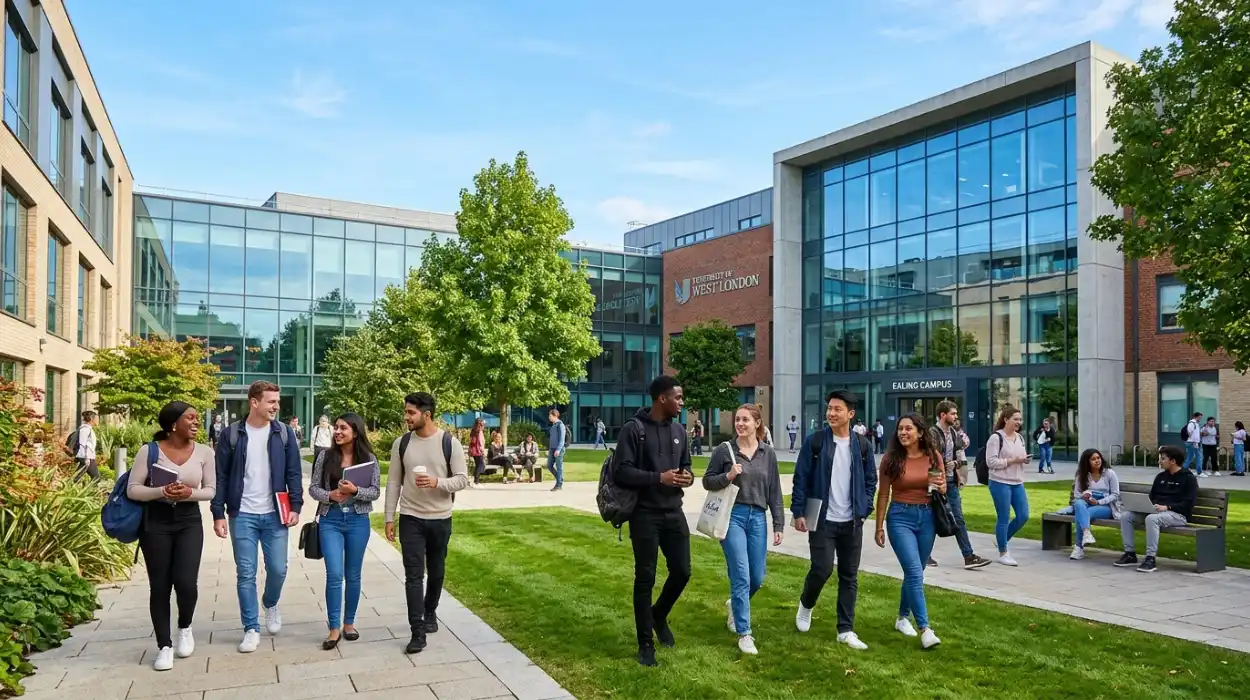
For students considering higher education after college, the University of West London is another significant education provider in Ealing. Its main Ealing campus is on St Mary’s Road and offers higher education across areas including business, hospitality and tourism, computing, engineering, music, healthcare, law and human and social sciences.
Students interested in land-based education can also consider Capel Manor College’s Gunnersbury location, which provides specialist horticultural and related study options close to Ealing. Ealing’s education infrastructure report identifies Capel Manor College in Gunnersbury as a provider of horticultural courses.
The important distinction is that these providers serve different stages and educational purposes. A 16-year-old looking for a Level 3 qualification has different requirements from an 18-year-old researching an undergraduate degree.
What makes Ealing Green College a strong option?
Ealing Green College is one of the most relevant choices for young people seeking further education within Ealing itself. Its location beside Ealing Green and Walpole Park places it within an established part of central Ealing, while its facilities are designed around digital, technical and creative learning.
The specialist environment can be useful for students who prefer practical learning rather than a conventional school-based sixth form. For example, someone interested in digital media can benefit from specialist computing and creative facilities, while students exploring science can use dedicated laboratory spaces.
The college is also highly accessible. Ealing Broadway provides Central and District line services as well as Elizabeth line connections, while West Ealing provides rail access. Local bus services further connect the campus with surrounding neighbourhoods.
This matters because commuting can influence attendance, daily costs and overall student experience. A course that looks attractive on paper becomes less practical if travelling requires multiple changes or an excessively long journey.
Is West London College suitable for 16 to 18-year-olds?
Yes. West London College specifically provides education for school leavers aged 16–18, alongside adult courses and apprenticeships. Its current provision includes courses designed to develop academic, vocational and employability skills.
For students who are uncertain about their next step, the college’s broader range can be useful. A young person does not necessarily need to follow a traditional A-level route to progress towards higher education or employment.
For example, a student who prefers hands-on learning might choose a vocational qualification related to a particular industry. Another student who needs to improve confidence, English, maths or employability skills can explore foundation or skills-focused options.
Eligibility and entry requirements vary by course, so students need to check the individual programme rather than assuming that one set of GCSE results applies to every subject.
Should students choose a sixth form or a college?
The answer depends largely on learning style and future plans.
A school sixth form can provide continuity, familiar pastoral support and a structured academic environment. This route often suits students who already know they want to study A levels or another academic programme.
A further education college can provide a broader mixture of vocational, technical and academic options. It can also be attractive to students who want specialist facilities, a more independent environment or a qualification closely connected to a career.
Ealing’s local youth service recommends that young people research their options, consider their predicted grades and speak to schools, colleges or careers advisers before making a decision.
The best route is therefore the one that matches the student’s intended progression rather than simply the institution with the most familiar name.
What courses can young people study in Ealing?
Course availability changes between institutions and academic years, but young people can find routes covering academic subjects, creative disciplines, digital technology, science, construction, community education, business, healthcare and other career areas.
West London College’s Ealing Green site has a particular emphasis on digital and technical education, while its wider college network expands the range of vocational subjects available to local learners.
A student interested in film or digital production, for example, may prioritise specialist studios and software. Someone considering engineering may focus more heavily on technical facilities and progression routes. A learner interested in healthcare might instead prioritise qualifications that provide a clear route towards university or professional training.
The course is therefore often more important than the general reputation of the institution.
How important are college facilities?
Facilities become particularly important when a subject depends on practical work.
A student studying creative media benefits from access to production spaces and specialist technology. A science learner needs appropriate laboratories, while a technical student may require specialist equipment and workshop environments.
Ealing Green College’s facilities include Apple iMac computer laboratories, Adobe software, art studios, science laboratories, a TV studio, photography facilities and immersive classroom technology.
Students should therefore look beyond photographs on a college website. During an open day, ask whether students regularly use the specialist facilities, how much practical work is included and whether the equipment reflects current industry practices.
How does transport affect the choice of college?
Transport is a practical factor that deserves attention before applying.
Ealing benefits from strong connections across west London. Ealing Broadway has Underground and Elizabeth line services, while local rail and bus networks connect neighbourhoods such as Acton, Hanwell, Southall, Greenford and Northolt with education providers.
For Ealing Green College specifically, the college identifies Ealing Broadway, South Ealing and West Ealing as nearby transport options, with numerous bus routes serving the campus.
A simple test is to make the journey during a normal weekday morning before committing to a course. Check the travel time, number of changes, walking distance and likely weekly travel cost.
For students travelling from outside Ealing, this becomes even more important. The University of West London, for example, describes its Ealing campus as around 30 minutes by Underground from central London and around 10 minutes by fast train from Paddington.
What support is available when choosing a college?
Young people do not have to make the decision without guidance. Ealing Connexions provides careers education, information, advice and guidance for young people, including support with education, training and employment choices.
This can be particularly useful when a student has several possible routes. For example, someone who narrowly misses their preferred sixth-form entry requirements can investigate college courses, resits, apprenticeships or alternative qualifications instead of treating the original result as the end of the process.
Students should also speak directly with college admissions teams, attend open days and examine course entry requirements carefully.
What should parents and young people check before applying?
The strongest college choice usually comes from comparing several practical factors rather than focusing on reputation alone.
First, check whether the course leads towards the intended university subject, apprenticeship or career. Next, examine GCSE requirements and any subject-specific conditions. Then consider travel time, facilities, timetable structure, assessment methods and available student support.
It is also useful to investigate progression information. Ask where previous students go after completing the course and whether the qualification is recognised by universities or employers relevant to the student’s plans.
Finally, visit the college where possible. A prospectus explains what an institution offers, but a visit provides a better impression of classrooms, facilities, atmosphere and the level of independence expected from students.
Are Ealing colleges suitable for international students and visitors?
Ealing’s education landscape can also interest international families and young people who are relocating to west London. However, eligibility, visa requirements, fees and age-specific admission rules depend on the provider and programme.
The University of West London has an established Ealing campus and serves higher education students, while further education providers have different eligibility arrangements for 16–18 learners. International applicants should therefore confirm requirements directly with the relevant institution before making travel or accommodation arrangements.
For tourists visiting Ealing, colleges are generally not conventional tourist attractions, but the education network contributes to the area’s identity as a well-connected west London community. Nearby locations such as Ealing Green, Walpole Park, Ealing Broadway and surrounding neighbourhoods also provide useful context for families considering longer-term study in the area.
How can students choose the best college in Ealing?
There is no single college that is best for every young person. The strongest choice depends on the student’s qualification level, preferred subjects, learning style, career objective, transport needs and progression plan.
For a 16-year-old seeking specialist further education, Ealing Green College can be a particularly relevant starting point because of its digital, technical, creative and science facilities. For students moving towards degree-level study, the University of West London provides a different pathway through higher education. Specialist interests such as horticulture can lead students towards providers such as Capel Manor College.
The most reliable approach is to compare courses rather than simply comparing college names. Check entry requirements, visit campuses, speak to staff, consider the daily commute and confirm progression routes. With this approach, young people in Ealing can make a decision based on their actual educational goals rather than a generic ranking.
FAQs About Colleges in Ealing for Young People
What is the best college in Ealing for 16-year-olds?
There is no universal best college because the right choice depends on the student’s course and career plans. Ealing Green College is an important option for 16–18-year-olds seeking further education, particularly in digital, technical, creative and applied subjects.
Is Ealing Green College good for young people?
Ealing Green College offers specialist facilities and courses designed around digital, technical, creative and scientific learning. Its central Ealing location and strong public transport connections also make it practical for students commuting from surrounding areas.
What can you study at colleges in Ealing?
Young people can choose from academic, vocational, technical and career-focused programmes, depending on the provider. Options include areas such as digital technology, creative subjects, science, construction, business, healthcare and other employment-related disciplines.
Is college free for 16 to 18-year-olds in Ealing?
Eligible students aged 16–18 can generally access government-funded further education courses without tuition fees, although eligibility conditions apply. West London College states that eligible 16–18 students can study qualifying courses free of charge and may also receive financial support for costs such as travel and course materials.
Should I choose sixth form or college after GCSEs?
Sixth form can suit students seeking a more traditional academic route, while college can provide greater emphasis on vocational, technical or specialist learning. Compare the specific course, entry requirements, teaching style and progression route before deciding.
How can I get careers advice in Ealing?
Ealing Connexions provides impartial careers education, information, advice and guidance for young people. Advisers can help with choices involving sixth form, college, apprenticeships, training and employment.
How do I apply to a college in Ealing?
Application procedures differ between providers and courses. Students should check the college’s current admissions information, review entry requirements, attend open days where possible and apply within the relevant deadline.