
Ealing is often celebrated for its leafy parks, thriving town centre and famous attractions such as Pitzhanger Manor and Ealing Studios. However, beyond these well-known destinations lies another side of the borough waiting to be explored. Hidden among quiet residential streets, historic waterways, conservation areas and peaceful green spaces are forgotten landmarks that once played important roles in shaping Ealing’s identity. Although many receive far less attention than they deserve, these places continue telling remarkable stories about the borough’s architectural, industrial and cultural heritage.
For worldwide tourists looking to experience a more authentic side of London and local residents eager to rediscover their neighbourhood, exploring Ealing’s overlooked landmarks offers a rewarding journey through history. Every location provides insight into how the borough developed from a collection of rural villages into one of West London’s most desirable communities.
This guide highlights Ealing’s forgotten landmarks that deserve greater public recognition while revealing why they remain valuable parts of the borough’s heritage today.
Why Forgotten Landmarks Matter
Historic landmarks do more than preserve old buildings. They help communities understand their origins, celebrate local achievements and protect architectural traditions for future generations. While famous attractions naturally receive the most attention, smaller landmarks often reveal equally fascinating stories that might otherwise disappear over time.
Exploring these lesser-known places allows visitors to experience Ealing beyond the usual tourist routes. It also supports local appreciation for conservation, heritage preservation and community identity. Every forgotten landmark contributes another chapter to the borough’s rich and diverse history.
Begin at the Hanwell Flight of Locks
The Hanwell Flight of Locks remains one of Ealing’s most impressive yet frequently overlooked engineering achievements. Built during the early nineteenth century as part of the Grand Union Canal, these six interconnected locks played a crucial role in transporting goods between London and the Midlands during the Industrial Revolution.
Today, the locks provide a peaceful setting where visitors can observe narrowboats navigating the canal while appreciating one of Britain’s greatest feats of canal engineering. Informational displays explain how the lock system operates, giving visitors a deeper understanding of the area’s industrial heritage.
Walking alongside the canal combines history, wildlife and scenic landscapes, making this landmark an ideal destination for photographers, families and history enthusiasts.
Discover the Historic Brent River Park
Although Brent River Park is popular with walkers and nature lovers, its historical significance is often overlooked. The park follows the course of the River Brent, which has influenced settlement, agriculture and local industry for centuries.
Historic footpaths, old bridges and riverside landscapes reveal how earlier communities depended upon the river for transport and farming. Today, the park protects valuable wildlife habitats while preserving an important part of Ealing’s environmental heritage.
Visitors exploring the riverside trails experience both natural beauty and historical landscapes that have changed surprisingly little despite the borough’s modern development.
Explore St Mary’s Church in Perivale
Hidden away from Ealing’s busiest streets, St Mary’s Church in Perivale is one of the borough’s oldest surviving buildings. Dating back to the twelfth century, this small medieval church provides a remarkable connection to Ealing’s distant past.
Its simple stone architecture, ancient churchyard and peaceful surroundings create a completely different atmosphere from modern London. Visitors interested in medieval history can admire original architectural features that have survived for hundreds of years.
Despite its historical importance, many visitors remain unaware of this remarkable landmark, making it one of Ealing’s true hidden treasures.
Visit Haven Green Beyond the Station
Many people pass through Haven Green while travelling to and from Ealing Broadway Station without realising its historical significance. This attractive public space has served as a community gathering place for generations and remains one of the few surviving village greens in West London.
Surrounded by elegant Victorian buildings, mature trees and historic churches, Haven Green reflects Ealing’s transformation from rural village to thriving suburb. Spending time here allows visitors to appreciate the borough’s architectural heritage while observing everyday local life.
The surrounding streets also contain beautifully preserved period buildings that deserve far greater recognition from architecture enthusiasts.
Discover the Historic Character of Bedford Park
Bedford Park is widely recognised by architectural historians, yet many general visitors overlook its importance. Often described as one of the world’s first garden suburbs, the neighbourhood influenced residential planning throughout Britain and beyond.
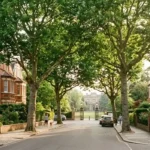
Walking through its peaceful streets reveals elegant Victorian and Arts and Crafts homes, decorative brickwork, charming front gardens and mature tree-lined avenues. Every corner reflects thoughtful urban planning that successfully balanced attractive architecture with green public spaces.
Its influence on later suburban developments makes Bedford Park one of Ealing’s most historically significant neighbourhoods, even though it rarely appears on standard tourist itineraries.
Appreciate the Quiet Beauty of Cleveland Park
Cleveland Park is another landmark that deserves greater recognition. Smaller than some of Ealing’s better-known parks, it offers peaceful walking paths, open lawns and mature woodland that provide an escape from the busy town centre.
Historically, parks such as Cleveland Park played an important role in improving public health during the Victorian era by providing clean air and recreational space for growing suburban populations. Today, the park continues serving the community while preserving its original purpose as a welcoming green retreat.
Visitors looking for tranquillity will appreciate its calm atmosphere and attractive seasonal scenery.
Look Beyond Pitzhanger Manor’s Famous Reputation
While Pitzhanger Manor is one of Ealing’s best-known heritage attractions, many visitors focus only on the restored house and overlook the wider historical landscape surrounding it. Designed by the celebrated architect Sir John Soane as his country retreat, the estate reflects innovative architectural thinking that influenced British design during the Regency period.
The surrounding Walpole Park contains historic features, carefully planned gardens and mature trees that form an important part of the original estate. Walking through these grounds provides insight into how architecture and landscape design worked together to create elegant country residences on the edge of London.
Exploring beyond the main building allows visitors to appreciate details that are often missed during shorter visits.
Discover the Lesser-Known Story of Ealing Studios
Ealing Studios is internationally recognised as the world’s oldest continuously operating film studio, yet much of its wider heritage remains overlooked. Many visitors associate the studio only with the famous Ealing Comedies, but its influence extends across decades of British television, film production and creative innovation.
The surrounding area reflects how the studio helped transform Ealing into an important centre for the creative industries. Local streets, businesses and community spaces developed alongside the studio, creating a lasting connection between filmmaking and everyday life in the borough.
Although public access to production facilities is limited, learning about the studio’s broader history provides a deeper appreciation of its contribution to British culture.
Explore Conservation Areas That Preserve Local History
Ealing’s conservation areas are landmarks in their own right. Neighbourhoods including Montpelier Park, Haven Green and parts of Hanwell preserve historic streetscapes that have remained remarkably unchanged despite modern development.
Walking through these areas reveals elegant Victorian terraces, Edwardian homes, decorative brickwork and mature tree-lined avenues that reflect careful planning and architectural craftsmanship. Unlike individual monuments, these neighbourhoods preserve entire communities where history remains part of everyday life.
Visitors who explore beyond the busiest streets often discover charming corners, historic buildings and quiet public spaces that deserve far greater recognition.
Follow a Self-Guided Heritage Walk
One of the best ways to experience Ealing’s forgotten landmarks is by creating a self-guided walking route. Begin at Haven Green before exploring nearby Victorian streets and continuing to Pitzhanger Manor and Walpole Park. From there, head towards Brent River Park or the Grand Union Canal to discover the Hanwell Flight of Locks before finishing in Bedford Park.
This route combines architecture, industrial heritage, green spaces and cultural attractions while allowing visitors to explore at their own pace. Families, photographers and history enthusiasts can stop whenever something captures their interest, making each walk unique.
Taking time to explore side streets often reveals hidden memorials, historic churches and attractive buildings that are rarely included in conventional travel guides.
Practical Tips for Exploring Forgotten Landmarks
Comfortable walking shoes are essential because many of Ealing’s hidden landmarks are best discovered on foot. Carrying a camera or smartphone helps capture architectural details, while a reusable water bottle makes longer walks more enjoyable.
Starting early in the morning provides quieter surroundings and better lighting for photography, particularly in conservation areas and parks. Visitors should also respect private property, as many historic buildings continue serving as family homes or working community buildings.
Combining heritage exploration with local cafés and independent shops supports the community while creating a relaxed and rewarding day out.
Why Ealing’s Forgotten Landmarks Deserve Greater Recognition
Ealing’s overlooked landmarks tell stories that are every bit as important as those connected with its most famous attractions. Medieval churches, canal engineering, historic parks, conservation areas and pioneering suburban neighbourhoods all contribute to a richer understanding of how the borough developed through the centuries.
These places demonstrate the importance of preserving architectural heritage, protecting green spaces and celebrating local history. They also encourage visitors to move beyond familiar tourist destinations and experience a more authentic side of West London.
Whether you are interested in architecture, industrial history, photography or peaceful walking routes, Ealing’s forgotten landmarks provide memorable experiences that reward curiosity and careful exploration.
Exploring Ealing’s forgotten landmarks offers an opportunity to discover the borough from a fresh perspective. Beyond its famous attractions lie medieval churches, historic canals, conservation areas, village greens and beautifully preserved neighbourhoods that continue shaping the local landscape. Each location reflects a different chapter in Ealing’s development while highlighting the people, communities and achievements that helped create the borough seen today.
For tourists seeking hidden gems and residents wanting to reconnect with local heritage, these lesser-known landmarks provide an inspiring journey through history. By taking time to explore these overlooked places, visitors gain a deeper appreciation of Ealing’s unique character and the remarkable stories that deserve greater public recognition.
Frequently Asked Questions
What are some forgotten landmarks in Ealing?
The Hanwell Flight of Locks, St Mary’s Church in Perivale, Haven Green, Bedford Park, Cleveland Park and sections of Brent River Park are among Ealing’s lesser-known historic landmarks.
Why are Ealing’s forgotten landmarks worth visiting?
They reveal important stories about the borough’s architectural, industrial, cultural and environmental heritage while offering quieter alternatives to more popular attractions.
Can I explore Ealing’s hidden landmarks on foot?
Yes. Many landmarks are connected by pleasant walking routes through parks, conservation areas and historic neighbourhoods, making self-guided exploration straightforward.
Which forgotten landmark is best for history enthusiasts?
St Mary’s Church in Perivale and the Hanwell Flight of Locks are particularly rewarding for visitors interested in medieval history and the Industrial Revolution.
Are Ealing’s forgotten landmarks suitable for families?
Absolutely. Many locations include parks, canals, open green spaces and safe walking paths, making them enjoyable for visitors of all ages.
When is the best time to visit Ealing’s hidden landmarks?
Spring and autumn offer comfortable weather, colourful scenery and excellent conditions for walking and photography, although the landmarks can be enjoyed throughout the year.
How can I plan a day exploring Ealing’s overlooked attractions?
Start at Haven Green, visit Pitzhanger Manor and Walpole Park, continue to Bedford Park, explore Brent River Park and the Hanwell Flight of Locks, then finish with a peaceful walk through Cleveland Park for a varied heritage experience.