
Ealing has earned a reputation as one of West London’s greenest and most desirable boroughs, but beyond its parks, shopping streets, and modern developments lies a remarkable collection of historic landmarks that continue shaping its identity today. These places tell the story of a community that has evolved from a collection of rural villages into a thriving part of the capital while preserving its architectural heritage, cultural traditions, and local character.
Historic landmarks across Ealing offer visitors much more than attractive buildings. They reveal centuries of architectural innovation, influential residents, community development, religious heritage, artistic achievement, and public spaces that have remained significant through changing generations. Whether you are a visitor exploring West London or a local resident wishing to understand the borough more deeply, these landmarks provide an unforgettable journey through Ealing’s rich past.
This guide explores the historic landmarks that continue defining Ealing’s identity while explaining why they remain essential parts of the borough’s cultural landscape.
Why Historic Landmarks Matter to Ealing
Historic landmarks help communities maintain a strong connection with their past while supporting education, tourism, conservation, and local pride.
Unlike modern developments, heritage sites preserve original craftsmanship, architectural styles, and stories that cannot be recreated. They remind residents how Ealing developed over hundreds of years and demonstrate how earlier generations influenced the borough that exists today.
Many of these landmarks continue serving practical purposes as museums, churches, parks, community venues, cultural centres, and public spaces, ensuring history remains part of everyday life rather than simply existing in books.
How Ealing Evolved Into a Historic London Borough
Long before becoming part of Greater London, Ealing consisted of peaceful farming communities surrounded by open countryside.
The arrival of improved road networks and later the railway transformed the area during the nineteenth century. Wealthy families, professionals, and businesses moved into Ealing, encouraging the construction of elegant homes, churches, schools, civic buildings, and public parks.
Despite rapid urban growth, many historic landmarks survived redevelopment, allowing today’s visitors to experience several centuries of architectural and cultural history within a relatively compact area.
Pitzhanger Manor – Sir John Soane’s Architectural Legacy
One of Ealing’s most celebrated historic landmarks is Pitzhanger Manor.
Designed by the internationally recognised architect Sir John Soane as his country retreat, the manor represents one of Britain’s finest examples of late Georgian architecture. Soane intended the property to showcase his architectural vision while providing an elegant family residence outside central London.
Today, carefully restored interiors, impressive period features, landscaped gardens, and contemporary art exhibitions attract visitors from across the world. The manor successfully combines historical preservation with modern cultural experiences, making it one of Ealing’s most valuable heritage attractions.
St Mary’s Church – Centuries of Community History
Among Ealing’s oldest surviving buildings, St Mary’s Church has remained at the heart of local life for centuries.
Although altered and expanded throughout different historical periods, its origins stretch back to medieval England. The church has witnessed royal events, local celebrations, national conflicts, social reform, and the transformation of Ealing from rural village to modern borough.
Visitors admire its traditional stone architecture, beautiful stained-glass windows, peaceful churchyard, and carefully preserved memorials that honour generations of local residents.
Walpole Park – A Historic Landscape in Modern Ealing
Historic landmarks are not limited to buildings alone.
Walpole Park provides one of the borough’s finest examples of preserved historic landscape design while remaining a vibrant public space enjoyed throughout the year.
Originally forming part of the Pitzhanger estate, the park combines mature trees, ornamental planting, open lawns, ponds, and walking paths that encourage visitors to appreciate both natural beauty and historical surroundings.
Seasonal festivals, family events, outdoor performances, and community activities ensure Walpole Park continues contributing to Ealing’s cultural identity.
Ealing Green – The Historic Heart of the Borough
Ealing Green has served as an important gathering place for generations.
Surrounded by historic buildings, churches, cafés, independent businesses, and civic landmarks, it reflects the borough’s gradual development while retaining much of its traditional village atmosphere.
Visitors often begin heritage walks here before exploring nearby attractions including Pitzhanger Manor, St Mary’s Church, and surrounding conservation areas.
Throughout the year, Ealing Green hosts community celebrations, markets, seasonal events, and cultural festivals that strengthen its role as a central meeting place.
Victorian Architecture That Transformed Ealing
The Victorian era dramatically reshaped Ealing’s appearance.
As London’s population expanded, new churches, schools, railway stations, libraries, theatres, and residential developments appeared across the borough.
Victorian buildings introduced architectural features including decorative brickwork, Gothic arches, stone carvings, tall chimneys, large sash windows, ornamental ironwork, and impressive public halls.
Many remain in daily use, demonstrating the quality of Victorian engineering while continuing to support modern community life.
Conservation Areas Preserving Historic Character
One reason Ealing retains its distinctive identity is the protection of its conservation areas.
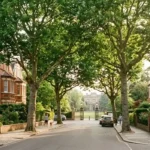
These designated neighbourhoods preserve historic streets, period homes, mature trees, traditional shopfronts, and architectural features that reflect different stages of the borough’s development.
Walking through these areas allows visitors to experience Georgian elegance, Victorian craftsmanship, Edwardian residential design, and carefully maintained heritage buildings that continue contributing to Ealing’s unique character.
Historic Landmarks Supporting Community Life Today
Many of Ealing’s heritage sites remain active rather than functioning solely as tourist attractions.
Historic churches host concerts, charity events, educational programmes, and community gatherings.
Heritage buildings accommodate museums, exhibitions, local organisations, and cultural workshops.
Public parks welcome festivals, outdoor performances, sports activities, and family events throughout the year.
This continued use ensures that historic landmarks remain valuable parts of modern life while preserving their original significance.
Historic Landmarks Beyond the Town Centre
Although central Ealing contains many well-known heritage sites, the borough’s historic identity extends into surrounding neighbourhoods including Hanwell, Acton, Southall, Greenford, Northolt, and Perivale.
Each area contributes unique landmarks that reflect different aspects of local history. Visitors can discover historic churches, Victorian bridges, traditional public buildings, old schools, conservation areas, and surviving examples of Georgian and Edwardian architecture.
Exploring beyond the town centre offers a broader understanding of how the borough developed while maintaining the distinct character of its individual communities.
Architectural Features That Tell Ealing’s Story
One of the most rewarding aspects of exploring Ealing’s historic landmarks is noticing the architectural details that reveal different periods of British history.
Visitors should look for:
- Decorative brick façades
- Gothic arches
- Stone carvings
- Historic clock towers
- Stained-glass windows
- Ornamental iron railings
- Traditional timber features
- Victorian chimneys
- Heritage plaques
- Original entrance doorways
These elements demonstrate the skill of craftsmen from previous centuries while helping preserve the borough’s architectural identity.
Heritage Trails for Visitors
A self-guided heritage walk is one of the best ways to appreciate Ealing’s historic landmarks.
A suggested walking route could include:
- Ealing Green
- St Mary’s Church
- Pitzhanger Manor
- Walpole Park
- Historic residential streets
- Victorian civic buildings
- Local independent cafés
- Conservation areas
Walking between landmarks allows visitors to appreciate architectural details, public art, landscaped gardens, and traditional streets that are often overlooked when travelling by car or train.
How Historic Landmarks Strengthen Local Identity
Historic landmarks help create a strong sense of place.
Residents often associate these buildings with important personal memories such as weddings, festivals, school events, concerts, exhibitions, and community celebrations.
Visitors experience a borough that has successfully balanced modern development with careful heritage conservation.
Rather than replacing older buildings entirely, Ealing has preserved many significant landmarks that continue supporting education, tourism, arts, culture, and local businesses.
This balance explains why Ealing remains one of West London’s most attractive places to live and visit.
The Importance of Heritage Conservation
Preserving historic landmarks requires continuous investment and expert conservation.
Architects, historians, local authorities, volunteers, and heritage organisations work together to restore ageing buildings while protecting their original features.
Conservation projects often involve repairing stonework, restoring stained glass, strengthening historic structures, preserving decorative interiors, and maintaining landscaped public spaces.
These efforts ensure future generations will continue learning from and enjoying Ealing’s architectural heritage.
Photography Opportunities Across Ealing
Historic landmarks provide excellent opportunities for photography throughout the year.
Morning sunlight highlights the warm colours of Georgian brickwork, while afternoon light enhances Victorian architectural details and stained-glass windows.
Spring and summer bring colourful gardens around churches and manor houses, while autumn transforms parks with vibrant seasonal foliage.
Photographers often combine visits to historic landmarks with nearby green spaces, creating varied collections of architectural and landscape images within a single day.
Practical Tips Before Visiting
Planning ahead helps visitors enjoy Ealing’s heritage more fully.
Wear comfortable footwear, as many landmarks are best explored on foot.
Check opening times for museums, churches, and heritage attractions before travelling.
Respect active places of worship during services.
Allow extra time to explore surrounding conservation areas, cafés, and local parks, as many of Ealing’s historic landmarks are located within walking distance of one another.
Travelling by public transport also makes exploring multiple heritage sites convenient throughout the borough.
Why Historic Landmarks Appeal to Every Visitor
Ealing’s historic landmarks attract people with many different interests.
History enthusiasts enjoy discovering stories spanning several centuries.
Architecture lovers admire Georgian elegance, Victorian craftsmanship, and medieval influences.Families appreciate educational days out that combine parks, museums, and heritage attractions.Students gain valuable insight into Britain’s architectural development.International tourists experience a quieter and more authentic side of London beyond the city’s famous landmarks.This wide appeal ensures that Ealing’s heritage remains relevant to visitors of every age and background.
Historic landmarks remain central to Ealing’s identity because they connect the borough’s rich past with its vibrant present. From the architectural brilliance of Pitzhanger Manor and the centuries-old heritage of St Mary’s Church to the open spaces of Walpole Park and the character of Ealing Green, these places continue shaping how residents and visitors experience West London.
Their preservation reflects a commitment to protecting architecture, culture, and community traditions while supporting education, tourism, and local pride. Exploring these remarkable landmarks offers more than a sightseeing experience—it provides a deeper understanding of how Ealing has evolved over centuries without losing the heritage that makes it unique.
Whether you are planning your first visit or rediscovering your local area, Ealing’s historic landmarks promise a rewarding journey through architecture, history, and community spirit.
Frequently Asked Questions
What are the most famous historic landmarks in Ealing?
Pitzhanger Manor, St Mary’s Church, Walpole Park, Ealing Green, and several Victorian conservation areas are among Ealing’s most recognised historic landmarks.
Why is Pitzhanger Manor historically important?
Pitzhanger Manor was designed by the renowned architect Sir John Soane and is regarded as one of the finest examples of late Georgian architecture in Britain.
Can visitors explore Ealing’s historic landmarks on foot?
Yes. Many of Ealing’s major heritage attractions are within walking distance, making self-guided heritage walks a popular way to explore the borough.
Are Ealing’s historic landmarks suitable for families?
Absolutely. Parks, museums, churches, heritage buildings, and cultural venues provide educational experiences for visitors of all ages.
Which architectural styles are found across Ealing?
Visitors can see medieval, Georgian, Victorian Gothic, Edwardian, and early twentieth-century architecture throughout the borough.
When is the best time to visit Ealing’s historic landmarks?
Spring and autumn offer comfortable weather for walking tours, while summer provides extended daylight for sightseeing and photography.
Why are historic landmarks important to Ealing today?
They preserve local history, strengthen community identity, support tourism, protect architectural heritage, and provide cultural spaces that continue serving residents and visitors.