
Ealing is widely recognised for its beautiful parks, elegant Victorian streets and vibrant cultural scene, but some of its most fascinating stories are quietly preserved on the walls of historic buildings. Hidden blue plaques scattered throughout the borough commemorate remarkable individuals, significant events and influential locations that helped shape both Ealing and Britain. While many visitors admire the architecture or enjoy the green spaces, these modest circular markers often go unnoticed despite offering valuable insight into the area’s rich heritage.
For worldwide tourists and local residents alike, exploring Ealing’s blue plaques provides a unique opportunity to discover the borough beyond its well-known attractions. Every plaque tells a story, connecting historic homes, workplaces and community buildings with artists, politicians, writers, scientists, filmmakers and other notable figures whose lives left a lasting impact.
This guide explores hidden blue plaques in Ealing and the fascinating stories behind every historic location, helping visitors appreciate the borough’s remarkable past while enjoying some of West London’s most attractive neighbourhoods.
What Are Blue Plaques and Why Do They Matter?
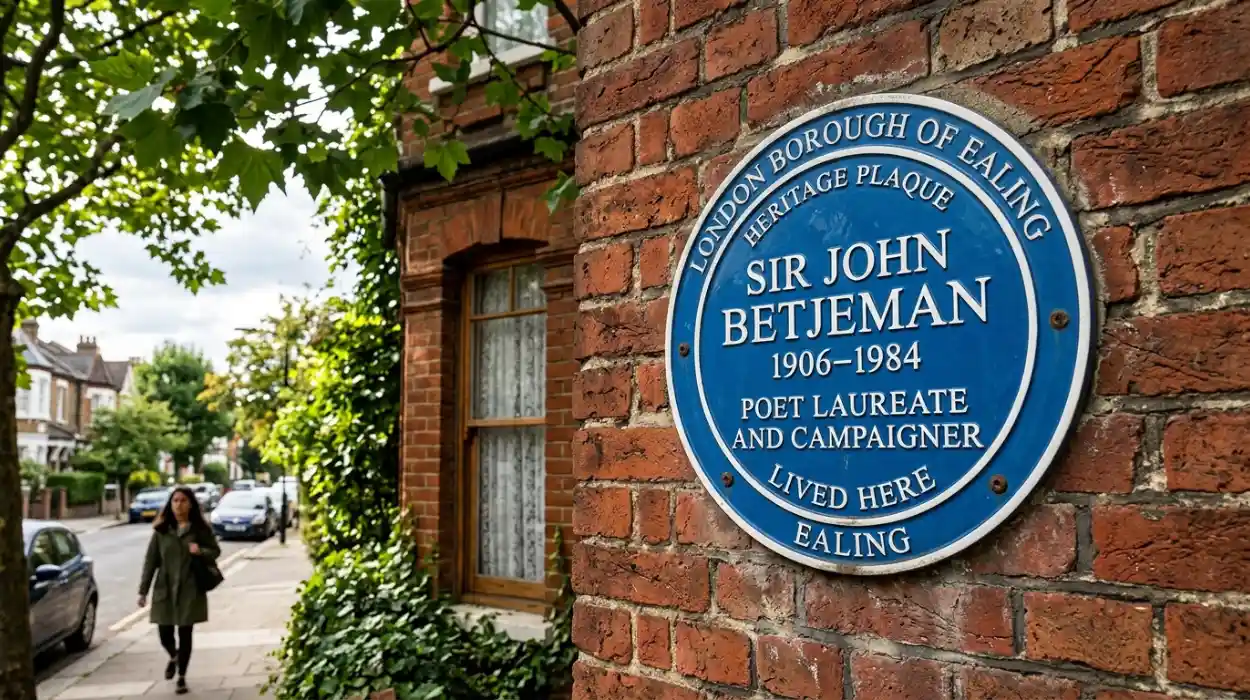
Blue plaques are permanent historical markers installed on buildings associated with notable people or important events. Their purpose is to preserve local heritage while allowing visitors to connect directly with places where history unfolded.
Rather than displaying objects inside museums, blue plaques transform ordinary streets into open-air history trails. They encourage visitors to pause, read and imagine how each location once played a role in shaping literature, politics, architecture, science, entertainment or community life.
In Ealing, these plaques enrich walking routes by revealing hidden stories that many people pass every day without noticing.
Why Ealing Has Such a Rich Collection of Historic Plaques
Ealing’s development during the nineteenth and twentieth centuries attracted influential residents from many different professions. Excellent railway connections, spacious homes and peaceful surroundings made the borough especially attractive to writers, actors, architects, politicians and business leaders seeking a quieter alternative to Central London.
As Ealing continued growing, many historically important buildings survived redevelopment, allowing heritage organisations to recognise their significance through commemorative plaques. Today, these markers help preserve the borough’s identity while encouraging appreciation of its cultural and architectural legacy.
Together, they demonstrate that Ealing’s history extends far beyond its famous parks and shopping districts.
Begin Exploring Around Ealing Broadway
Ealing Broadway provides an excellent starting point for discovering several hidden blue plaques. Although many visitors focus on the busy shopping centre and transport hub, nearby streets contain elegant Victorian and Edwardian buildings linked to notable residents and important moments in local history.
Walking through these quieter roads reveals plaques attached to carefully preserved houses, each offering a brief but fascinating introduction to the people who once lived there. The surrounding architecture also reflects the period in which these individuals contributed to Ealing’s development.
Combining heritage exploration with local cafés and independent shops makes this area ideal for a relaxed historical walking tour.
Discover Sir John Soane’s Legacy at Pitzhanger Manor
One of Ealing’s most significant historic locations is Pitzhanger Manor, the country home designed by the renowned architect Sir John Soane. Although the manor itself is famous, many visitors overlook the historical significance recognised through local heritage interpretation and commemorative information surrounding the estate.
Soane’s innovative architectural ideas influenced British design for generations, and his connection with Ealing remains one of the borough’s greatest cultural achievements. Exploring the manor alongside Walpole Park provides valuable insight into Regency architecture while helping visitors understand how Ealing became associated with artistic and architectural excellence.
The surrounding landscape also reflects centuries of thoughtful planning and preservation.
Uncover Stories Hidden in Bedford Park
Bedford Park is one of London’s most celebrated historic neighbourhoods and contains several buildings connected with notable artists, writers and designers. Walking through its tree-lined streets allows visitors to appreciate not only the architecture but also the blue plaques and commemorative markers that celebrate creative individuals associated with the area.
Many homes display characteristic Arts and Crafts features alongside Victorian architectural details, creating an attractive setting where heritage remains part of everyday life. Reading the plaques encourages visitors to imagine the conversations, ideas and artistic achievements that once flourished within these houses.
For architecture enthusiasts and history lovers alike, Bedford Park offers one of Ealing’s richest heritage experiences.
Explore Historic Churches and Community Landmarks
Some of Ealing’s most meaningful historical stories are connected with churches and long-established community buildings. While not every important location displays a blue plaque, many include memorial inscriptions, heritage boards or nearby commemorative markers explaining their historical significance.
Buildings such as St John’s Church and other historic places of worship have served local communities for generations, witnessing countless social changes while preserving impressive architecture and craftsmanship. Exploring these landmarks alongside nearby plaques creates a deeper understanding of Ealing’s religious, cultural and civic development.
These quieter locations often provide some of the most rewarding moments during a heritage walk.
Follow the Legacy of Ealing Studios
Ealing Studios represents another essential stop when exploring the borough’s historical landmarks. As the world’s oldest continuously operating film studio, it occupies a unique position within British cinema history.
Although visitors often recognise the studio because of the famous Ealing Comedies, heritage markers and local historical information help explain its wider influence on filmmaking and popular culture. Walking around the surrounding area reveals how this creative institution contributed to Ealing’s international reputation while remaining an important part of the local community.
Its lasting legacy continues attracting film enthusiasts from across the world.
Discover Plaques Honouring Local Cultural Figures
Many of Ealing’s blue plaques celebrate individuals whose work shaped Britain’s cultural landscape. Writers, performers, educators and public figures chose to live in Ealing because of its peaceful surroundings and excellent connections to Central London. Their homes became places where creative ideas developed, influential works were produced and lasting contributions to British society began.
Reading these plaques gives visitors a greater appreciation of how ordinary residential streets became connected with extraordinary achievements. Although the plaques are modest in size, the stories behind them reveal lives filled with innovation, creativity and public service. Together, they demonstrate that Ealing has long been a place where talent has flourished across many different fields.
Explore Conservation Areas Rich in Local History
Several of Ealing’s conservation areas contain clusters of historic buildings where blue plaques can be discovered during a leisurely walk. Neighbourhoods such as Haven Green, Montpelier Park and parts of Hanwell preserve much of their original Victorian and Edwardian character, allowing visitors to experience the borough much as earlier generations would have known it.
Tree-lined streets, decorative brickwork and elegant front gardens provide the perfect setting for heritage exploration. Even when a building does not display a plaque, its architecture often reflects the period in which many of Ealing’s most notable residents lived and worked. Exploring these areas encourages visitors to slow down, observe architectural details and appreciate the borough’s carefully preserved heritage.
Create Your Own Blue Plaque Walking Trail
One of the most enjoyable ways to explore Ealing is by creating a self-guided blue plaque trail. Begin at Ealing Broadway before walking towards Pitzhanger Manor and Walpole Park, where history, architecture and green spaces combine beautifully. Continue through Bedford Park to admire historic homes and commemorative markers before visiting Ealing Studios and nearby conservation areas.
This flexible route allows visitors to stop whenever something captures their interest, whether it is a historic church, an attractive Victorian terrace or an independent café. Families, photographers and history enthusiasts can all enjoy the walk at their own pace while discovering stories that are often overlooked by traditional sightseeing itineraries.
Combining plaques with parks and local attractions creates a rewarding full-day experience suitable for visitors of all ages.
Tips for Finding Hidden Blue Plaques
Many blue plaques are easy to miss because they are positioned above doorways or high on building façades. Walking rather than driving provides the best opportunity to notice these historic markers and appreciate the surrounding architecture.
Early mornings and weekdays often provide quieter conditions for exploring residential streets and taking photographs. Wearing comfortable shoes and carrying a camera or smartphone allows visitors to document interesting discoveries along the route. Respecting private property is equally important, as many plaque buildings remain occupied homes rather than public attractions.
Allowing extra time between major landmarks often leads to unexpected discoveries that make the experience even more memorable.
Why Blue Plaques Bring Ealing’s History to Life
Unlike museum exhibits, blue plaques connect history directly with the places where it happened. Standing outside a historic house or workplace allows visitors to imagine daily life during different periods while understanding how individual achievements influenced the wider community.
In Ealing, these plaques celebrate more than famous names. They highlight the borough’s development as a centre for architecture, education, filmmaking, literature and public life. Each marker contributes another chapter to the story of a community that has welcomed creativity, innovation and cultural diversity for generations.
Exploring these hidden landmarks transforms an ordinary walk into an engaging journey through local history, helping visitors appreciate both Ealing’s remarkable past and its vibrant present.
Hidden blue plaques offer one of the most rewarding ways to discover Ealing beyond its well-known attractions. They reveal fascinating stories about influential residents, historic buildings and important events that shaped the borough over many generations. Whether exploring elegant streets around Ealing Broadway, visiting the architectural masterpiece of Pitzhanger Manor, admiring Bedford Park’s heritage or learning about Britain’s film history at Ealing Studios, every plaque adds another layer of understanding to the local landscape.
For tourists seeking an authentic London experience and residents interested in learning more about their own community, Ealing’s blue plaques provide a unique blend of history, architecture and culture. Every walk becomes an opportunity to uncover remarkable stories hidden in plain sight, proving that some of the borough’s greatest treasures are found not inside museums but on the walls of its historic buildings.
Frequently Asked Questions
What are blue plaques in Ealing?
Blue plaques are historical markers placed on buildings associated with notable people, important events or significant locations that have contributed to Ealing’s heritage.
Where can I find hidden blue plaques in Ealing?
Many plaques can be found around Ealing Broadway, Bedford Park, Pitzhanger Manor, Hanwell and other historic neighbourhoods across the borough.
Why are blue plaques important?
They preserve local history, recognise influential individuals and help visitors understand the stories connected with historic buildings and communities.
Can I explore Ealing’s blue plaques without joining a tour?
Yes. Many visitors enjoy following self-guided walking routes that combine blue plaques with parks, historic streets and local attractions.
Are Ealing’s blue plaques free to visit?
Yes. Blue plaques are located on publicly visible buildings and can be viewed free of charge while exploring the borough.
How long does a blue plaque walking tour take?
A typical self-guided route takes between two and four hours, depending on how many locations you visit and how much time you spend exploring each neighbourhood.
What else can I see while following Ealing’s blue plaques?
Visitors can also enjoy Victorian architecture, conservation areas, Walpole Park, Pitzhanger Manor, Ealing Studios, historic churches, independent cafés and scenic walking routes that showcase the borough’s rich cultural heritage.