
Ealing has earned a reputation as one of West London’s greenest and most attractive boroughs, making it a favourite destination for nature lovers seeking outdoor adventures throughout the year. While many visitors associate London with famous landmarks and bustling streets, Ealing offers a refreshing contrast through its expansive parks, ancient woodlands, peaceful riverside paths and protected wildlife habitats. The borough successfully combines urban convenience with natural beauty, creating an environment where residents and tourists can escape busy city life without travelling far.
Whether you are planning a weekend getaway, looking for family-friendly outdoor activities or searching for scenic walking routes, Ealing delivers experiences suitable for every age and interest. Every season transforms the landscape, offering unique opportunities to explore colourful gardens, observe wildlife, enjoy photography or simply relax in peaceful surroundings. This combination of accessibility, biodiversity and heritage explains why outdoor enthusiasts continue returning to Ealing year after year.
Ealing’s Green Spaces Define the Borough
One of the main reasons nature lovers choose Ealing is the impressive amount of public green space spread across the borough.
Unlike many densely developed urban districts, Ealing has carefully preserved its parks, rivers, woodlands and nature reserves while continuing to grow as a thriving London community. These green spaces provide important habitats for wildlife while giving visitors opportunities to enjoy fresh air, exercise and relaxation.
The borough’s tree-lined streets, landscaped gardens and interconnected parks also contribute to cleaner air and improved wellbeing. Walking through Ealing quickly reveals why it is often considered one of London’s most pleasant places to spend time outdoors.
Walpole Park Combines Heritage With Nature
Walpole Park remains one of Ealing’s most popular outdoor destinations.
Located beside the historic Pitzhanger Manor, the park beautifully combines landscaped gardens, mature trees, ornamental ponds and spacious lawns with one of West London’s most significant heritage attractions.
Visitors often begin their day exploring Sir John Soane’s magnificent manor before relaxing among colourful flower beds or enjoying picnics beneath shaded trees.
During spring, blossoms create vibrant displays across the gardens. Summer fills the park with outdoor events and families enjoying open spaces, while autumn introduces spectacular golden foliage. Even winter offers peaceful walking opportunities surrounded by elegant historic scenery.
Its central location makes Walpole Park an ideal starting point for discovering Ealing’s wider network of green spaces.
Wildlife Makes Every Visit Different
One reason outdoor adventures remain exciting in Ealing is the variety of wildlife living across its parks and conservation areas.
Grey squirrels, foxes, hedgehogs and several bat species inhabit the borough alongside numerous birds and insects.
Nature enthusiasts often encounter robins, blue tits, blackbirds, woodpeckers and kestrels during woodland walks, while rivers support kingfishers, herons and waterfowl.
Wildflower meadows attract bees, butterflies and hoverflies that play essential roles in local ecosystems.
Because wildlife activity changes with the seasons, no two visits are ever exactly the same.
Walking Routes Connect Nature and Heritage
Ealing’s walking routes allow visitors to combine outdoor recreation with historic sightseeing.
Scenic paths link attractions including Walpole Park, Pitzhanger Manor, Brent River Park, Lammas Park and nearby residential neighbourhoods known for elegant Victorian and Edwardian architecture.
These routes encourage slower exploration while revealing hidden gardens, independent cafés, historic churches and attractive tree-lined streets.
Walking between parks rather than travelling by vehicle creates more rewarding experiences because visitors notice details that would otherwise pass unnoticed.
Many local residents enjoy weekend walks that combine exercise with opportunities to appreciate changing seasonal landscapes.
Nature Supports Health and Wellbeing
Spending time outdoors provides significant physical and mental health benefits, making Ealing’s green spaces valuable community assets.
Walking through woodland, sitting beside rivers or simply relaxing beneath mature trees encourages stress reduction while promoting physical activity.
Many local residents incorporate regular park visits into their daily routines because natural surroundings support healthier lifestyles and improved wellbeing.
Visitors often discover that even short walks through Ealing’s parks leave them feeling refreshed and more connected with nature.
This balance between urban living and accessible green space continues attracting people who value healthier ways to spend their leisure time.
Every Season Offers a Different Outdoor Experience
One of the greatest reasons nature lovers continue returning to Ealing is the way its landscapes transform throughout the year. Every season introduces new colours, wildlife activity and opportunities for outdoor exploration.
Spring is perhaps the most colourful time to visit. Cherry blossoms, daffodils and tulips brighten parks and gardens, while birds begin nesting and butterflies become increasingly active. Mild temperatures make longer walks particularly enjoyable.
Summer brings lush green landscapes, extended daylight hours and ideal conditions for picnics, cycling and family outings. Parks become lively with community events, outdoor fitness sessions and visitors enjoying open lawns beneath mature trees.
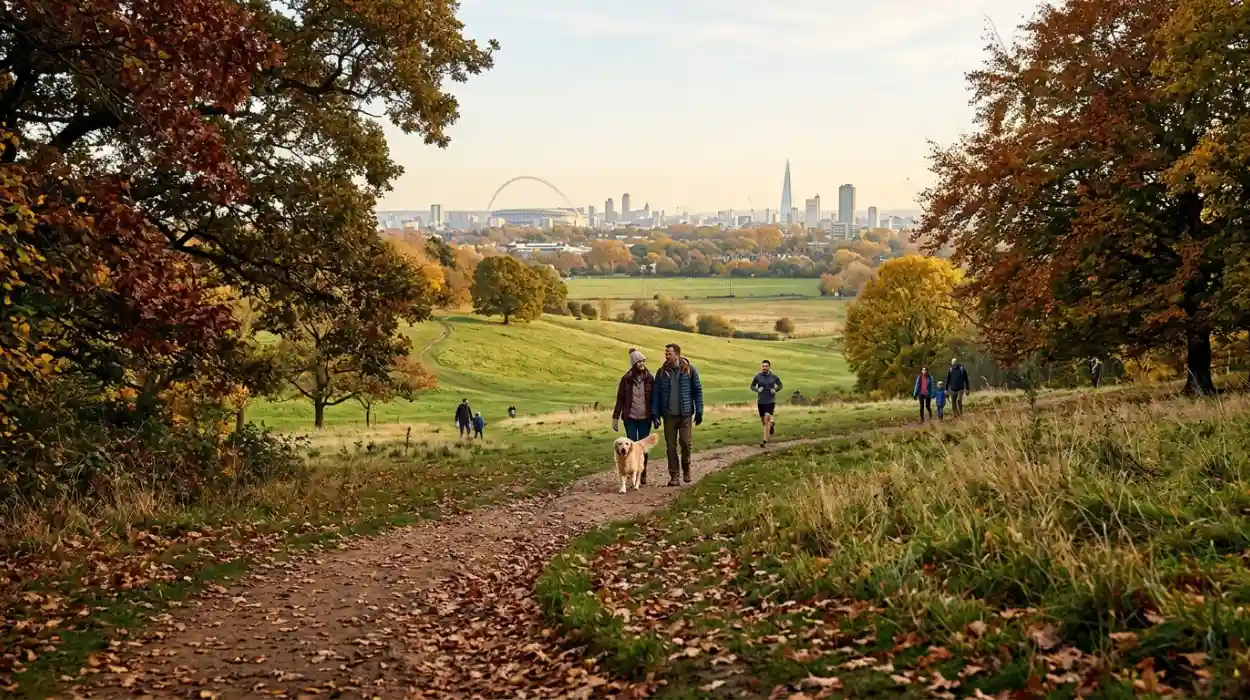
Autumn transforms Ealing into a spectacular display of gold, orange and crimson foliage. Woodland paths become especially popular with photographers and walkers seeking peaceful scenery.
Winter reveals another side of the borough. Frost-covered grass, bare tree silhouettes and quieter parks create calm surroundings perfect for reflective walks and wildlife observation. Even during colder months, Ealing’s outdoor spaces remain inviting for those who appreciate peaceful natural landscapes.
Birdwatching Throughout the Borough
Birdwatching has become increasingly popular among both local residents and visitors exploring Ealing.
The borough’s combination of rivers, wetlands, mature woodland and open grassland creates habitats supporting a wide variety of bird species throughout the year.
Brent River Park remains one of the best locations for spotting kingfishers, grey herons, swans and ducks. Woodland areas often reward patient visitors with sightings of woodpeckers, robins, blue tits, great tits and nuthatches.
Migratory birds also pass through Ealing during seasonal movements, providing additional opportunities for experienced birdwatchers.
Early mornings generally offer the most rewarding wildlife encounters, when parks remain quiet and birds are most active.
Outdoor Photography Inspires Creativity
Photographers regularly choose Ealing because of its constantly changing scenery.
Historic buildings surrounded by colourful gardens, peaceful rivers, woodland trails and panoramic viewpoints provide outstanding subjects throughout every season.
Landscape photographers often visit Horsenden Hill at sunrise or sunset to capture dramatic views across West London.
Macro photographers enjoy documenting butterflies, bees and wildflowers during spring and summer, while autumn provides striking woodland colours and reflections in lakes and ponds.
Because each season changes both lighting conditions and natural scenery, photographers frequently return to familiar locations while creating entirely different images.
Family-Friendly Outdoor Adventures
Families find Ealing especially attractive because its parks provide safe, accessible environments where children can learn about nature while enjoying outdoor recreation.
Playgrounds, picnic areas and spacious open fields encourage children to spend more time outside exploring natural surroundings.
Parents often combine visits to Walpole Park with nearby attractions such as Pitzhanger Manor before continuing to cafés or local shopping streets.
Nature trails also introduce children to birds, insects, flowers and trees, encouraging curiosity about wildlife conservation through direct observation.
These educational experiences make outdoor adventures enjoyable while supporting children’s understanding of the natural environment.
Cycling Adds Another Way to Explore
Walking may be the most popular way to experience Ealing, but cycling offers another excellent option for outdoor enthusiasts.
Many quieter roads, shared pathways and park routes allow cyclists to travel comfortably between major green spaces.
Cycling enables visitors to combine several parks, riverside trails and nature reserves within a single day while maintaining an environmentally friendly approach to sightseeing.
Families also appreciate shorter cycling routes suitable for younger riders, particularly around larger parks where traffic is limited.
The borough’s relatively gentle landscape makes cycling enjoyable for riders with different levels of experience.
Conservation Protects Ealing’s Natural Heritage
The quality of Ealing’s outdoor spaces reflects years of conservation work by local authorities, environmental organisations and community volunteers.
Ancient woodlands receive careful management to protect biodiversity, while riverside restoration projects improve habitats for birds, fish and aquatic wildlife.
Wildflower meadows are maintained specifically to support pollinating insects including bees and butterflies.
Tree planting initiatives, habitat restoration and sustainable park management help ensure future generations continue enjoying these remarkable natural environments.
Visitors also contribute by respecting designated pathways, taking litter home and avoiding disturbance to wildlife.
Responsible tourism helps preserve Ealing’s landscapes for both people and nature.
Planning Your Outdoor Adventure
Planning ahead allows visitors to enjoy Ealing’s parks and nature reserves more comfortably.
Comfortable walking shoes are recommended because many scenic routes include woodland paths, grassy trails and riverside tracks.
Bringing water, binoculars and a camera enhances the experience, particularly for birdwatchers and photographers.
Checking weather forecasts before travelling helps visitors prepare appropriate clothing for changing seasonal conditions.
Morning visits generally provide quieter surroundings, cooler temperatures during summer and better opportunities for observing wildlife.
Public transport connections make travelling between different parks quick and convenient, allowing flexible itineraries throughout the day.
Suggested One-Day Outdoor Itinerary
Visitors wishing to experience Ealing’s natural highlights can easily create a rewarding full-day adventure.
Begin the morning at Ealing Broadway before enjoying breakfast at an independent café.
Walk through Walpole Park and explore the grounds surrounding Pitzhanger Manor before continuing towards Lammas Park.
After lunch, spend the afternoon following Brent River Park’s riverside walking trails while watching for birds and seasonal wildlife.
Finish the day exploring Horsenden Hill, where panoramic views provide an unforgettable conclusion to your outdoor adventure before enjoying dinner at one of Ealing’s welcoming local restaurants or traditional British pubs.
This itinerary combines history, wildlife, conservation and recreation while showcasing the remarkable diversity found across the borough.
Why Ealing Continues Inspiring Nature Lovers
Ealing stands apart because it successfully combines outstanding green spaces with rich local heritage and welcoming community life. Parks, rivers, woodlands and nature reserves are not isolated attractions but interconnected landscapes that encourage exploration throughout every season.
Visitors discover peaceful walking trails, thriving wildlife habitats, colourful gardens and panoramic viewpoints without leaving London. At the same time, excellent transport links, independent cafés and nearby historic landmarks make every outdoor adventure even more rewarding.
Whether you are visiting for a single afternoon or planning several days of exploration, Ealing offers experiences that appeal to walkers, photographers, cyclists, birdwatchers and families alike. Every season introduces new colours, changing wildlife and fresh opportunities to appreciate one of West London’s most naturally beautiful boroughs. It is this remarkable combination of accessibility, biodiversity and timeless scenery that keeps nature lovers returning to Ealing year after year.
Frequently Asked Questions
What makes Ealing ideal for outdoor adventures?
Ealing offers extensive parks, riverside trails, woodlands, nature reserves and scenic walking routes that provide outdoor activities throughout every season.
Which parks are best for nature lovers in Ealing?
Walpole Park, Brent River Park, Horsenden Hill, Lammas Park and Perivale Wood Nature Reserve are among the borough’s top outdoor destinations.
Can visitors enjoy wildlife watching in Ealing?
Yes. Visitors can observe birds, butterflies, squirrels, foxes and other wildlife in many of Ealing’s parks, riverside habitats and conservation areas.
Is Ealing suitable for family outdoor activities?
Absolutely. The borough features playgrounds, picnic areas, accessible walking trails and educational nature experiences suitable for children and adults alike.
When is the best season to visit Ealing’s parks?
Every season offers unique attractions, including spring flowers, summer greenery, colourful autumn foliage and peaceful winter landscapes.
Are there cycling routes through Ealing’s green spaces?
Yes. Ealing has several cycling-friendly routes connecting parks, residential areas and scenic outdoor attractions.
How can visitors help protect Ealing’s natural environment?
Visitors should stay on marked paths, avoid disturbing wildlife, dispose of litter responsibly and respect conservation guidelines to help preserve Ealing’s beautiful outdoor spaces for future generations.