
Ealing is often celebrated for its spacious parks, elegant residential streets and thriving town centre, yet many of its most memorable places remain hidden from everyday view. Tucked behind historic buildings, along quiet lanes and within established neighbourhoods are peaceful courtyards, beautifully maintained gardens and historic passageways that reveal another side of West London. These overlooked spaces preserve the borough’s heritage while offering visitors calm environments away from busy roads and popular attractions.
Unlike London’s famous squares or heavily visited parks, Ealing’s hidden outdoor spaces reward curiosity. They encourage visitors to slow their pace, notice architectural details and appreciate how historic communities developed over generations. Whether you are interested in landscape design, local history, photography or simply finding somewhere peaceful to unwind, exploring these hidden locations provides a unique perspective on the borough.
For international visitors seeking authentic experiences and local residents looking to rediscover familiar surroundings, Ealing’s hidden courtyards, gardens and passageways offer an enjoyable journey through the area’s architectural and cultural heritage.
Why Should You Explore Ealing Beyond Its Main Streets?
Most visitors naturally spend their time around Ealing Broadway, shopping areas and well-known parks. While these attractions are worth exploring, they represent only part of the borough’s identity.
Behind many historic buildings lie secluded gardens, residential courtyards and quiet pathways that are rarely included in traditional travel itineraries. These smaller spaces reveal how local communities have balanced urban growth with carefully preserved landscapes.
Exploring beyond the main streets also creates opportunities to discover independent cafés, heritage buildings and architectural details that often go unnoticed when following busier routes.
How Have Hidden Spaces Shaped Ealing’s Character?
Throughout its history, Ealing developed from a collection of rural villages connected by lanes, churches and farmland. As London expanded, many of these routes evolved into residential streets while smaller courtyards and gardens continued serving local communities.
Victorian and Edwardian planners recognised the importance of green surroundings and attractive communal spaces. Their designs introduced landscaped gardens, enclosed courtyards and pedestrian connections that still contribute to the borough’s distinctive appearance today.
Modern conservation efforts continue protecting many of these spaces, allowing visitors to experience landscapes that reflect Ealing’s historical development.
Discover Walpole Park’s Hidden Garden Corners
Although Walpole Park is one of Ealing’s best-known green spaces, many visitors overlook its quieter areas.
Beyond the open lawns are secluded pathways, ornamental planting, mature trees and peaceful seating areas where visitors can escape the busiest sections of the park. Seasonal flower displays transform these corners throughout the year, making every visit slightly different.
These quieter spaces are especially popular with readers, photographers and anyone seeking a calm place to relax after exploring nearby Ealing Broadway.
Explore Pitzhanger Manor’s Historic Gardens
Adjacent to Walpole Park, Pitzhanger Manor offers one of the borough’s most significant heritage landscapes.
Originally designed as the country home of Sir John Soane, the gardens reflect changing approaches to landscape architecture over several centuries. Carefully restored planting, elegant pathways and historic features create an atmosphere that combines artistic design with historical significance.
Visitors interested in architecture often appreciate how the gardens complement the manor’s celebrated interiors while providing peaceful outdoor spaces for reflection.
Why Do Hidden Residential Courtyards Feel So Special?
Many of Ealing’s Victorian and Edwardian neighbourhoods include attractive communal courtyards hidden behind terraces or accessed through discreet entrances.
These spaces were designed to provide residents with light, fresh air and shared gardens long before modern urban planning placed greater emphasis on public green space.
Although many remain private, those visible from public pathways reveal impressive landscaping, mature planting and beautifully maintained architecture that contribute to the borough’s visual character.
Walking through residential conservation areas often reveals unexpected glimpses into these carefully preserved environments.
Discover Historic Passageways Linking Old Neighbourhoods
Before modern roads connected Ealing’s villages, narrow footpaths linked churches, farms and residential communities.
Some of these historic routes continue serving pedestrians today. Walking through these passageways allows visitors to follow paths that have connected neighbourhoods for generations.
These routes often pass mature trees, traditional brick walls and historic properties while avoiding heavier traffic found on larger roads.
For visitors interested in local history, they provide valuable insight into how people once travelled through the borough.
Experience Hanwell’s Canal Walks and Hidden Waterside Paths
Hanwell offers several of Ealing’s most peaceful hidden routes through the Grand Union Canal corridor.
Quiet towpaths wind alongside narrowboats, lock systems and waterside vegetation while creating opportunities to observe birds and other wildlife.
Smaller connecting paths lead towards historic bridges, residential streets and local parks, encouraging visitors to explore beyond the main canal route.
The combination of industrial heritage and natural scenery makes these waterside passageways among the borough’s most rewarding walking experiences.
How Do Church Gardens Preserve Local History?
Historic churches throughout Ealing are surrounded by peaceful gardens that often receive less attention than nearby parks.
These churchyards contain mature trees, historic memorials and landscaped spaces that have served local communities for centuries.
Visitors can appreciate architectural heritage while enjoying quiet environments ideal for reflection and photography.
Many church gardens also provide habitats for birds and seasonal wildlife, adding further interest throughout the year.
Discover Hidden Gardens Across Residential Neighbourhoods
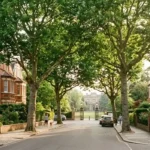
Tree-lined streets throughout Pitshanger, Northfields, South Ealing and Hanwell feature attractive front gardens that collectively create one of the borough’s defining characteristics.
Although privately owned, these gardens contribute significantly to Ealing’s identity as one of London’s greenest suburban areas.
Seasonal planting, flowering shrubs and mature trees transform residential walks into colourful experiences, particularly during spring and early summer.
Walking slowly through these neighbourhoods allows visitors to appreciate the careful landscaping maintained by local residents.
Why Are Conservation Areas Important for Hidden Heritage?
Conservation areas protect many of Ealing’s most valuable historic environments, including smaller gardens, courtyards and traditional pedestrian routes.
Planning regulations encourage sympathetic restoration while preserving original architectural features and landscaped surroundings.
As a result, visitors continue experiencing streets and hidden spaces that closely resemble their historical appearance despite modern development nearby.
These conservation efforts ensure future generations can continue enjoying Ealing’s unique character.
Enjoy Independent Cafés Hidden Along Quiet Streets
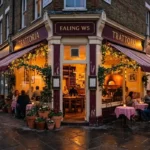
Some of Ealing’s most welcoming cafés are located away from the busiest commercial roads.
Small courtyards behind independent coffee shops provide peaceful outdoor seating where visitors can relax after exploring nearby gardens or walking routes.
These quieter locations encourage longer visits while supporting local businesses that contribute to the borough’s strong community atmosphere.
Many travellers discover these cafés by chance while exploring residential neighbourhoods on foot.
Create Your Own Hidden Garden Walking Route
One rewarding itinerary begins at Ealing Broadway before continuing through Walpole Park and Pitzhanger Manor.
From there, visitors can explore nearby residential conservation areas before travelling towards Pitshanger or Northfields.
Another excellent route follows the Grand Union Canal through Hanwell before connecting with nearby church gardens and residential streets.
Each route combines architecture, heritage, gardens and quieter walking environments without requiring extensive travel across London.
Practical Tips for Exploring Hidden Spaces
Comfortable footwear makes exploring easier because many hidden gardens and passageways are best discovered on foot.
Visit during weekday mornings when quieter surroundings allow visitors to appreciate these peaceful locations without interruption.
Spring offers colourful blossoms, while autumn creates spectacular displays of seasonal foliage across parks and residential streets.
Always respect private property by remaining on public pathways and observing signs where access is restricted.
Taking time to pause rather than rushing between locations often leads to discovering unexpected architectural features or hidden viewpoints.
Why Do Hidden Courtyards and Gardens Reveal the Best of Ealing?
The quieter corners of Ealing demonstrate that memorable travel experiences are often found beyond famous landmarks.
Hidden courtyards, landscaped gardens and historic passageways reveal the borough’s architectural evolution, community values and commitment to preserving green spaces within an expanding city.
For visitors, these locations offer authentic opportunities to experience everyday West London life. For residents, they provide fresh perspectives on familiar neighbourhoods and reminders of the borough’s rich heritage.
Exploring these hidden spaces transforms an ordinary walk into a journey through history, landscape and local culture, proving that some of Ealing’s greatest attractions remain those waiting patiently to be discovered.
Frequently Asked Questions
Where can I find hidden courtyards in Ealing?
Hidden courtyards can be found around historic buildings, residential conservation areas and independent cafés, particularly near Ealing Broadway and surrounding neighbourhoods.
Are Ealing’s hidden gardens open to the public?
Many gardens within Walpole Park, Pitzhanger Manor and church grounds are publicly accessible, while residential gardens should only be viewed from public spaces.
What is the best hidden walking route in Ealing?
Popular routes include Walpole Park to Pitzhanger Manor, Hanwell’s Grand Union Canal and the quieter residential streets of Pitshanger and Northfields.
Why are Ealing’s historic passageways important?
They preserve historic connections between former villages and provide insight into how local communities travelled before modern road networks developed.
When is the best time to explore Ealing’s gardens?
Spring and early summer showcase colourful flowers, while autumn offers beautiful foliage across parks, residential streets and conservation areas.
Are Ealing’s hidden attractions suitable for photographers?
Yes. Historic architecture, landscaped gardens, canal paths and tree-lined passageways provide excellent opportunities for photography throughout the year.
Can visitors explore these hidden places in one day?
Yes. With Ealing’s excellent public transport and walkable neighbourhoods, visitors can comfortably combine gardens, courtyards and historic passageways into a full-day itinerary.