
Ealing is widely recognised for its lively neighbourhoods, historic buildings, green parks and convenient position in West London, yet its natural environment is just as interesting. Across the borough, parks, rivers, gardens, mature trees, meadows and community spaces provide habitats for birds, insects, mammals and plants. Local conservation projects help protect these valuable environments while encouraging residents and visitors to understand why urban nature matters.
Exploring local conservation projects in Ealing is a rewarding way to discover a different side of the borough. These initiatives can involve habitat restoration, tree care, wildflower planting, community gardening, wildlife recording, litter picking and improvements to waterways. For residents, they create opportunities to participate directly in protecting their neighbourhood. For tourists, they offer a chance to enjoy Ealing’s green spaces while learning how a busy London borough supports biodiversity.
Why Ealing’s Green Spaces Matter
Green spaces are much more than attractive places for walking or recreation. They are living ecosystems that provide food, shelter and breeding areas for wildlife. Parks and gardens can support pollinating insects, while mature trees offer nesting and roosting opportunities for birds. Rivers and ponds can create additional habitats for species that depend on water and riverside vegetation.
In an urban environment, these habitats are particularly important because development can divide natural areas into smaller sections. Wildlife corridors created by trees, hedgerows, gardens, waterways and connected parks can help species move between different habitats. Even small areas of vegetation can therefore contribute to the wider ecological network.
Green spaces also benefit people. Trees provide shade, vegetation can help manage rainwater and parks give residents places to exercise, relax and spend time outdoors. Protecting nature in Ealing is consequently linked to creating healthier and more resilient neighbourhoods.
Community Conservation in Ealing
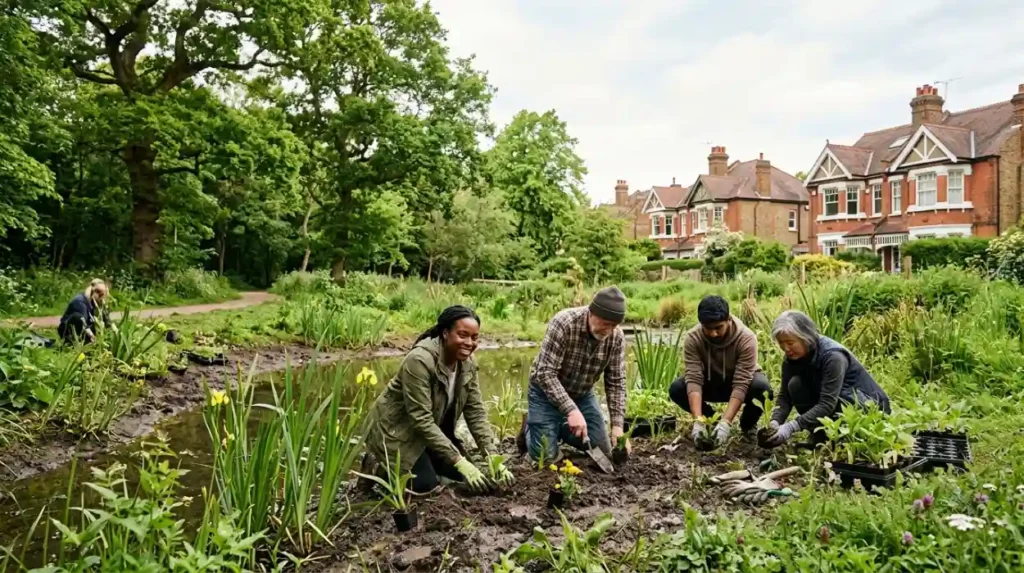
Many conservation efforts depend on community participation. Local residents can become involved in planting, gardening, habitat maintenance, litter collection, wildlife surveys and environmental education. These activities allow people to contribute directly rather than simply enjoying green spaces as visitors.
Community involvement can be especially valuable because residents know their neighbourhoods well. Someone who regularly walks through a park may notice seasonal changes, damaged vegetation, litter or changes in wildlife activity. Local knowledge can complement professional environmental management and help identify issues that need attention.
Community conservation also creates social connections. A shared gardening project, wildlife walk or habitat improvement session can bring together people of different ages and backgrounds. Participants may develop new skills while gaining a stronger sense of responsibility towards their local environment.
For someone searching for local conservation projects in Ealing, community-based initiatives are therefore worth exploring. The exact activities available can change throughout the year, so checking current information from local organisations and environmental groups is advisable.
Ealing’s Parks as Wildlife Habitats
Ealing’s parks provide some of the easiest places to experience urban biodiversity. Larger green spaces can contain a mixture of lawns, mature trees, planted borders, shrubs, grassland and woodland-style areas. This variety creates different conditions for wildlife.
Walpole Park is a notable example of a green space where historic landscaping and modern recreation exist alongside natural habitats. Its mature vegetation and varied planting can provide opportunities to observe birds, insects and seasonal plant life while enjoying a relaxed walk.
Gunnersbury Park is another important green space within the wider Ealing area. Its extensive grounds demonstrate how historic parkland can continue to provide environmental value. Mature trees, open areas and varied vegetation can support wildlife while the park remains an important destination for recreation and community activities.
Smaller parks should not be overlooked. A pocket of grassland, a line of mature trees or a community garden may appear insignificant compared with a large park, but these spaces can provide stepping stones that help wildlife move through an urban landscape.
Discovering Nature Along the River Brent
The River Brent is another important part of Ealing’s natural environment. Waterways can connect different habitats and provide resources for wildlife, particularly where vegetation has been retained along the banks.
Riverside trees, shrubs and grasses can offer shelter and feeding opportunities for birds and insects. Water-related habitats can also increase ecological variety within areas that are otherwise dominated by buildings and roads.
For walkers and tourists, exploring the River Brent can provide an interesting nature experience. Instead of seeing the river simply as part of the landscape, visitors can look for birds in the vegetation, insects around flowering plants and signs of seasonal change.
Responsible behaviour is essential around waterways. Visitors should avoid disturbing animals, leave plants and vegetation undamaged, take rubbish away and follow any local guidance. These simple actions help reduce pressure on sensitive habitats.
Hanwell and West Ealing’s Natural Connections
Hanwell demonstrates how urban neighbourhoods can contain valuable connections with nature. Residential streets, private gardens, parks, waterways and green corridors together create a varied environment where wildlife can survive alongside people.
For walkers, this can make Hanwell particularly interesting. A route through the area may reveal mature trees, flowering gardens, open grassland and riverside habitats without requiring a journey into the countryside.
This is one of the strengths of exploring Ealing’s natural environment. Wildlife experiences do not always require a formal nature reserve. Ordinary urban landscapes can become valuable when different green elements work together.
Seasonal changes also make these areas worth revisiting. Spring brings flowers and increased bird activity, summer attracts pollinating insects, autumn provides changing foliage and seeds, while winter can make certain birds easier to spot among bare branches.
What Wildlife Can You See in Ealing?
Ealing’s wildlife varies according to location and season, but residents and visitors can encounter a surprising range of species. Common park and garden birds include robins, blackbirds, blue tits, great tits, wood pigeons and house sparrows.
Squirrels and foxes are also familiar urban mammals, while bats may be seen around suitable green spaces during warmer evenings. Gardens, meadows and flowering areas can attract bees, butterflies, moths and hoverflies.
Wildlife watching is not simply about identifying animals. Visitors can look for feathers, tracks, nests, birdsong, insects visiting flowers and signs of feeding. These details reveal how active an apparently quiet green space can actually be.
Early mornings and quieter periods are often rewarding for wildlife observation. However, the most important principle is patience. Allowing wildlife to behave naturally creates a better experience than attempting to approach or attract animals.
Protecting Pollinators Through Local Conservation
Pollinators are an essential part of healthy ecosystems. Bees, butterflies, moths, hoverflies and other insects help plants reproduce by transferring pollen between flowers. Their presence can also indicate that an area provides useful food and habitat resources.
Conservation projects can support pollinators by increasing the number and variety of flowering plants. Planting species that flower at different times helps provide nectar and pollen across a longer season.
Wildflower areas can be particularly valuable when managed correctly. Unlike closely cut lawns, diverse flowering areas can support a wider range of insects. However, successful wildflower management requires suitable planting, soil conditions and seasonal maintenance rather than simply allowing any vegetation to grow.
Residents can contribute from home too. Gardens, balconies and window boxes can provide useful resources for pollinators when they contain suitable flowering plants. Reducing unnecessary pesticide use and retaining some natural vegetation can further improve their wildlife value.
The Role of Trees and Hedgerows
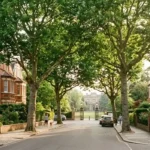
Trees are among the most important elements of Ealing’s green infrastructure. Mature trees provide shade, store carbon, help moderate temperatures and contribute to the character of parks and neighbourhoods. Ecologically, they can also support birds, insects, fungi and other organisms.
Older trees are especially valuable because their size, age and natural features can create habitats that younger trees cannot immediately replace. Cavities, loose bark, deadwood and mature branches may provide shelter for different species.
Hedgerows and shrubs are also important. They offer cover for birds and small animals and can create routes through which wildlife moves between larger habitats.
This is why conservation is not only about planting new trees. Protecting established trees and maintaining connected vegetation can be equally important. A mature tree standing between two green spaces may help connect otherwise fragmented habitats.
How Conservation Projects Improve Green Spaces
Conservation work can take many forms. Some projects focus on planting native species, while others manage grassland, control invasive plants, protect mature trees or improve waterways.
Sometimes conservation involves changing how a space is maintained rather than making major physical alterations. Allowing selected areas of grass to grow longer can provide additional habitat for insects and plants. Retaining fallen leaves or suitable deadwood can also create ecological resources, provided public access and safety remain properly managed.
The challenge is finding a balance between wildlife and human use. Ealing’s parks need to support recreation, play, walking, sport and social activities while also providing suitable conditions for biodiversity.
Well-planned conservation can achieve both. A park can have closely managed areas for recreation alongside quieter sections designed to support wildlife.
How Residents Can Support Ealing’s Wildlife
Residents do not need specialist qualifications to make a positive contribution. Creating a wildlife-friendly garden is one practical starting point. Planting a mixture of flowering species, providing shelter and retaining some natural vegetation can make residential spaces more useful to wildlife.
People can also volunteer with environmental and community organisations where opportunities are available. Activities may include planting, gardening, habitat management, litter picking and wildlife recording.
Another valuable contribution is responsible use of public spaces. Taking rubbish home, avoiding damage to plants, respecting wildlife signs and keeping dogs under control where required can reduce unnecessary disturbance.
Residents can also encourage children to take an interest in local wildlife. Simple activities such as identifying birds, observing butterflies or keeping a seasonal nature journal can develop curiosity and environmental awareness from an early age.
How Tourists Can Explore Ealing Responsibly
Visitors can enjoy Ealing’s conservation areas without causing harm by following a few straightforward principles. Stay on suitable paths, respect signs and barriers, avoid picking plants and keep a safe distance from wildlife.
Wildlife photography should also be approached carefully. Trying to get closer to an animal for a photograph can cause stress, particularly when birds are nesting or animals are feeding. Quiet observation is usually more rewarding and respectful.
Tourists can make a conservation-focused visit part of a wider Ealing experience. A walk through a park or riverside area can be combined with independent cafés, local shops and neighbourhood attractions.
This approach allows visitors to experience Ealing as a living community rather than simply ticking off conventional tourist attractions. It also encourages respect for the places that residents value throughout the year.
Conservation and Ealing’s Future
Ealing’s natural environment faces pressures that affect many urban areas across the UK. Climate change, rising temperatures, extreme rainfall, pollution, development and habitat fragmentation can all influence biodiversity.
Conservation projects provide practical responses to these challenges. Trees can provide shade during hotter periods, vegetation can help manage rainfall, diverse planting can support pollinators and connected green spaces can help wildlife move through the borough.
Long-term protection requires cooperation between local authorities, community groups, environmental organisations, land managers, residents and visitors. No single project can protect every habitat, but many smaller initiatives can collectively make a meaningful difference.
The future of Ealing’s green spaces therefore depends on recognising their ecological value as well as their recreational importance. When parks, gardens, waterways and trees are treated as interconnected parts of the borough’s infrastructure, conservation becomes a natural part of urban planning and community life.
Why Local Conservation Benefits Everyone
Protecting wildlife and green spaces has benefits that extend beyond individual species. Healthy natural areas can make neighbourhoods more attractive, provide places for exercise and relaxation and create opportunities for environmental education.
For children, local parks can become outdoor classrooms where they learn about plants, insects and birds. For residents, conservation activities can provide meaningful ways to meet neighbours and improve shared spaces. For tourists, Ealing’s natural environment offers an alternative perspective on West London.
There is also a strong cultural value in protecting familiar landscapes. A mature tree, riverside path or community garden may become part of people’s everyday memories. Maintaining these places helps preserve both ecological and community value.
By supporting local conservation projects, people can help ensure that Ealing remains a borough where urban development and natural habitats can coexist. Even small actions, when repeated across a community, can contribute to a healthier and more biodiverse environment.
Exploring local conservation projects protecting Ealing’s wildlife and green spaces reveals how much natural value exists within a busy West London borough. Parks, rivers, mature trees, gardens, meadows and community spaces all contribute to an urban landscape where wildlife can continue to find food, shelter and movement routes.
For local residents, supporting conservation can mean volunteering, gardening for pollinators, protecting trees or simply treating public green spaces responsibly. For tourists, nature walks and wildlife watching provide an enjoyable opportunity to experience Ealing beyond its well-known streets and attractions.
The future of Ealing’s biodiversity depends on continued care and cooperation. When residents, visitors, community groups and environmental organisations value green spaces as living habitats, conservation becomes part of everyday life. Protecting these places today can help ensure that Ealing’s wildlife and green spaces remain valuable for future generations.
Frequently Asked Questions
What are local conservation projects in Ealing?
Local conservation projects in Ealing can include habitat restoration, community gardening, tree planting, wildflower management, wildlife monitoring, litter picking and improvements to parks or waterways. The exact activities vary between locations and organisations.
Where can I experience wildlife in Ealing?
Wildlife can be experienced in parks, gardens, riverside areas and green corridors throughout the borough. Walpole Park, Gunnersbury Park and green spaces around Hanwell provide opportunities to observe urban nature.
What wildlife can visitors see in Ealing?
Visitors may encounter robins, blackbirds, blue tits, great tits, wood pigeons, house sparrows, squirrels and foxes. Flowering areas can also attract bees, butterflies, moths and hoverflies, while bats may appear around suitable habitats in the evening.
Can tourists join conservation activities in Ealing?
Some community and environmental projects may welcome volunteers or visitors at organised events. Availability and participation requirements can change, so visitors should check the latest details with the relevant project before attending.
How can I help protect Ealing’s wildlife?
You can support wildlife by planting suitable flowering plants, reducing unnecessary pesticide use, protecting mature vegetation, keeping green spaces clean and respecting wildlife. Volunteering with a local conservation initiative is another practical option.
Why are wildflower areas important for Ealing?
Wildflower areas can provide nectar and pollen for bees, butterflies and other insects. When carefully planned and maintained, they can increase habitat diversity and provide seasonal food resources for pollinators.
How should tourists behave in Ealing’s green spaces?
Visitors should follow local signs, remain on appropriate paths, avoid disturbing wildlife, refrain from picking plants, take rubbish away and keep dogs under control where required. Responsible behaviour helps protect habitats for everyone.