
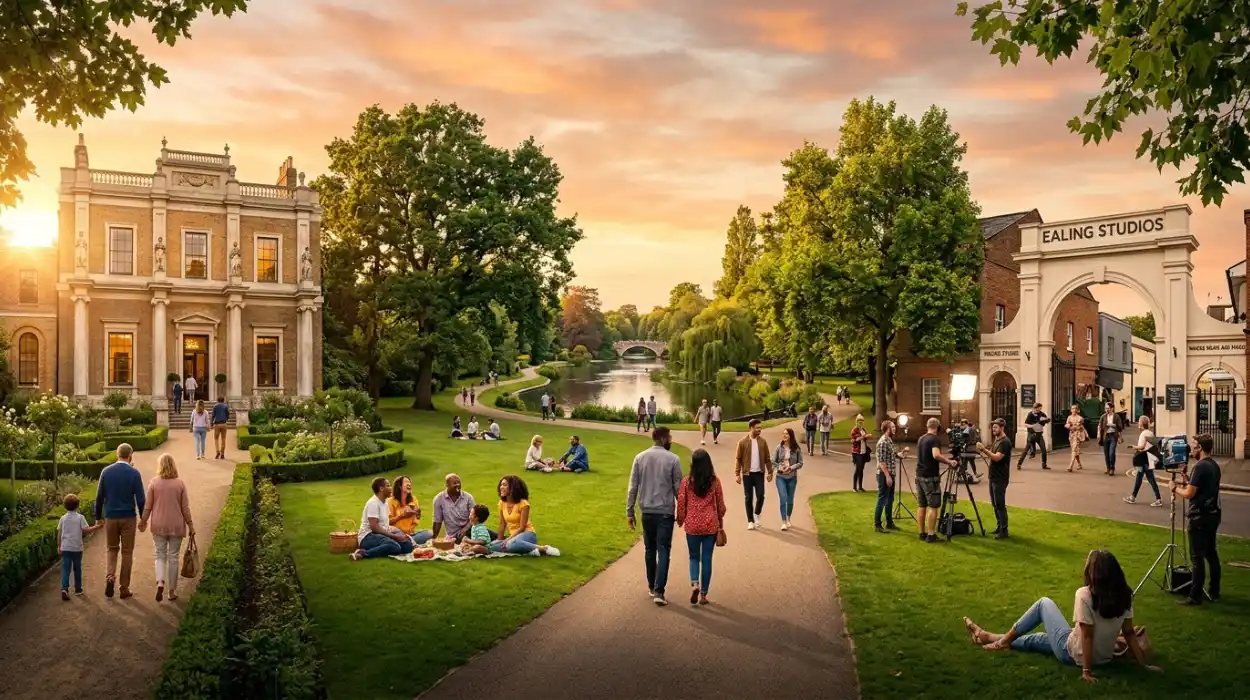
Ealing is one of west London’s most appealing areas for visitors who want to experience more than the usual central London attractions. With historic buildings, leafy parks, cultural venues, independent cafés, restaurants and distinctive neighbourhoods, the borough offers a varied experience for both first-time visitors and local residents.
The most interesting places to visit in Ealing are not limited to one town centre. From the architectural beauty of Pitzhanger Manor and the cinematic history of Ealing Studios to the open landscapes of Gunnersbury Park and the multicultural atmosphere of Southall, different parts of the borough reveal different sides of west London.
Whether you have a few hours, a full day or live locally and want to explore somewhere new, Ealing provides plenty of places worth adding to your itinerary.
Pitzhanger Manor and Gallery
Pitzhanger Manor and Gallery is one of the best places to begin exploring Ealing because it combines architecture, history, art and green space in one location.
The manor was developed by the renowned architect Sir John Soane as his country residence in the early nineteenth century. Soane is famous for major architectural works in London, including the Bank of England, and Pitzhanger provides an opportunity to see his ideas in a much more intimate setting.
The building is particularly interesting for architecture enthusiasts because it was designed partly as a showcase of Soane’s architectural thinking. Its interiors, proportions and decorative details make it considerably more than an ordinary historic house.
Today, Pitzhanger also operates as an arts and cultural venue, hosting exhibitions and events. Its position beside Walpole Park makes it easy to combine a cultural visit with a leisurely walk.
Walpole Park
Walpole Park is one of Ealing’s most recognisable green spaces and an excellent place for visitors who want a break from London’s busy streets.
The park covers a substantial area beside Pitzhanger Manor and includes lawns, mature trees, ponds and walking routes. It is particularly pleasant during warmer months when residents gather for picnics, exercise and outdoor activities.
The park also has historical importance. Its landscape was once connected with the estate surrounding Pitzhanger Manor before becoming a public park in the early twentieth century.
For tourists, Walpole Park can be included in a simple walking route through central Ealing. You can visit Pitzhanger Manor, walk through the park, stop at nearby cafés and continue towards Ealing Broadway without needing complicated transport connections.
Ealing Studios
Film fans should put Ealing Studios high on their list of places to explore. The studio has been associated with filmmaking in the area since the early twentieth century and is one of the most significant names in British cinema history.
The studio became particularly famous for the classic Ealing comedies produced after the Second World War. Films such as The Ladykillers, Kind Hearts and Coronets and The Lavender Hill Mob helped establish the distinctive reputation of Ealing Studios.
The studio’s importance has continued across different generations of British filmmaking. Its connection with television and modern productions means that Ealing remains linked with the entertainment industry rather than simply being a historical film location.
Although visitors cannot treat an active film studio like a conventional museum, simply understanding its role adds another dimension to exploring the neighbourhood.
Ealing Broadway
For visitors who want to experience contemporary Ealing, Ealing Broadway is an obvious starting point.
The area combines shops, cafés, restaurants, pubs, cultural venues and transport connections. It is also useful as a base for exploring other attractions because Ealing Broadway station provides connections to different parts of London.
The neighbourhood has a lively atmosphere without feeling quite as tourist-focused as central London. This makes it useful for travellers who want to experience an everyday London environment alongside historic attractions.
Spend some time walking around the town centre rather than simply using it as a transport stop. Independent businesses and local restaurants give the area much of its character.
Gunnersbury Park
Gunnersbury Park is another major green attraction in the wider Ealing area. Its large landscaped grounds provide plenty of space for walking, relaxing and exploring.
The park’s historic setting makes it particularly appealing to visitors interested in heritage. Gunnersbury Park includes a substantial mansion and other historic features, while the surrounding grounds provide an escape from the dense urban environment.
It can be a good choice for families because there is room for children to move around, while walkers and photographers can enjoy the landscaped areas.
If you are planning a day in west London, Gunnersbury Park can also be combined with attractions around Ealing and nearby Chiswick, depending on how much time you have.
Southall Broadway
Southall offers a completely different experience from the traditional image of leafy suburban Ealing. Often associated with its strong South Asian cultural identity, Southall Broadway is one of the most distinctive areas in west London.
Visitors can explore restaurants, sweet shops, clothing stores, jewellers, supermarkets and specialist food businesses. The area is particularly well known for Punjabi and wider South Asian cuisine.
For food lovers, Southall can be one of the most rewarding places to visit in the borough. You can sample dishes ranging from Punjabi street food and Indian sweets to Pakistani specialities and vegetarian cuisine.
The area’s cultural identity also makes it valuable for visitors interested in London’s migration history. Southall demonstrates how communities arriving from different parts of the world have helped shape modern London.
Hanwell and the Wharncliffe Viaduct
Hanwell is an interesting destination for visitors who prefer historic neighbourhoods and quieter walks.
One of its most recognisable landmarks is the Wharncliffe Viaduct, a historic railway structure designed by Isambard Kingdom Brunel. Completed in the nineteenth century, the viaduct reflects the engineering ambitions of Britain’s railway expansion.
Hanwell also provides access to sections of the Grand Union Canal and the River Brent, creating opportunities for riverside walking.
For someone looking for a slower afternoon away from central London, Hanwell can be particularly rewarding. You can combine local cafés and independent businesses with a walk through the area’s historic streets and waterways.
Brent River Park and Perivale
Nature lovers should not overlook the green spaces around Perivale and the Brent River.
The Brent River Park includes a network of meadows, riverside habitats and open spaces that provide an important natural landscape within west London.
Perivale Meadows can be particularly interesting for visitors who enjoy walking, photography and wildlife. Depending on the season, the landscape can look dramatically different, with wildflowers and changing vegetation adding colour and variety.
This part of Ealing demonstrates that exploring the borough does not have to mean spending the entire day in shopping districts or historic buildings. Its natural spaces offer a completely different experience.
Ealing’s Historic Churches and Architecture
Visitors interested in architecture can find several historic churches and buildings across Ealing. St Mary’s Church in Perivale is particularly notable for its medieval origins and rural setting.
The church is surrounded by an atmosphere that feels surprisingly distant from the busy London streets nearby. Its history provides a glimpse into the much older communities that existed before Ealing became heavily urbanised.
Elsewhere in the borough, Victorian and Edwardian houses, terraces and civic buildings reflect the period when railways encouraged rapid suburban development.
A walking tour through Ealing can therefore become an informal architecture trail, moving from older village structures to nineteenth-century housing and twentieth-century urban development.
The Questors Theatre
Ealing’s cultural attractions are not limited to cinema. The Questors Theatre has been an important part of the borough’s performing arts community for decades.
The theatre is associated with one of Europe’s largest amateur theatre organisations and provides a home for a wide range of productions.
For visitors who enjoy theatre, checking the programme can be worthwhile because it provides a chance to experience a more community-focused side of London’s cultural scene.
It also reflects something important about Ealing: culture here is not always concentrated in large commercial venues. Local organisations and community groups have played a significant role in shaping the area’s creative identity.
Ealing Common
Ealing Common offers another opportunity to experience the borough’s greener side while remaining close to transport links and urban amenities.
The open space is surrounded by attractive residential streets and historic buildings, creating a pleasant environment for a walk.
It can be particularly useful for visitors who want to see how Londoners use their local parks and commons rather than visiting only major tourist attractions.
A short walk around Ealing Common can easily be combined with exploring nearby restaurants, cafés and shops.
Ealing’s Independent Food Scene
Exploring Ealing is not just about landmarks. Food is an important part of the visitor experience.
The borough’s restaurants reflect its diverse population, with Indian, Pakistani, Polish, Italian, Japanese, Middle Eastern and other international cuisines available across different neighbourhoods.
Ealing Broadway and South Ealing provide plenty of options for casual dining, while Southall is particularly valuable for visitors interested in South Asian food.
Food can also provide an easy way to explore neighbourhood identity. A visitor might spend the morning around Pitzhanger Manor, walk through Walpole Park, explore Ealing Broadway and finish the day with dinner in Southall.
A One-Day Ealing Itinerary
If you only have one day, start around Pitzhanger Manor and Gallery and allow time to explore the surrounding area. Continue through Walpole Park before heading towards Ealing Broadway for coffee, shopping or lunch.
In the afternoon, choose between a cultural experience at The Questors, a visit to Gunnersbury Park or a longer walk through Hanwell and the Brent River area.
For the evening, Southall offers an opportunity to experience Ealing’s multicultural food scene.
This itinerary works because it combines history, architecture, green space, culture, shopping and food rather than concentrating on one type of attraction.
Best Places in Ealing for Families
Families have plenty of options when exploring Ealing. Walpole Park and Gunnersbury Park provide open spaces where children can play, while museums, galleries and cultural venues offer opportunities for learning.
Families can also enjoy exploring local food businesses and cafés, particularly if children are interested in trying different cuisines.
For a relaxed day, choose one major attraction and one green space rather than attempting to visit everything. This makes the experience less rushed and leaves time for spontaneous discoveries.
Best Places in Ealing for History and Culture
Visitors particularly interested in history should prioritise Pitzhanger Manor, Ealing’s historic churches, Hanwell and the area’s older streets.
Cinema enthusiasts should learn about Ealing Studios, while theatre lovers can investigate The Questors.
Southall adds another cultural dimension by demonstrating the influence of migration and South Asian communities on the modern borough.
Together, these destinations reveal that Ealing’s history is not one single story. It has been shaped by architecture, transport, cinema, music, migration, religion, industry and community life.
When Is the Best Time to Visit Ealing?
Ealing can be explored throughout the year, but spring and summer are particularly enjoyable for visitors who want to make the most of its parks and outdoor spaces.
Autumn brings changing colours to Walpole Park, Gunnersbury Park and other green areas, while winter can be a good time to focus on galleries, cafés, restaurants, historic buildings and cultural events.
Weekdays may feel quieter at some attractions, while weekends can create a livelier atmosphere in shopping and dining areas.
Before travelling, check opening times and event schedules because individual venues and attractions can change their arrangements.
Exploring Ealing Beyond the Famous Attractions
The best way to understand Ealing is to avoid treating it as a checklist of landmarks.
A visitor might discover an independent café while walking from Ealing Broadway to Walpole Park, notice historic architecture on a residential street or find a riverside path in Hanwell that was not part of the original itinerary.
This is one of Ealing’s strengths. It combines recognised attractions with everyday neighbourhood experiences.
Whether you are a tourist visiting west London for the first time or a local looking for somewhere different to spend a Saturday, the borough offers enough variety to support repeated visits.
Why Ealing Is Worth Visiting
The most interesting places to visit in Ealing show how varied west London can be. Pitzhanger Manor provides architectural and artistic history, Walpole Park offers open space, Ealing Studios connects the borough with British cinema, and Southall reveals its multicultural character.
Beyond these better-known destinations are Hanwell’s historic landscapes, Perivale’s meadows, Gunnersbury Park, local theatres, independent businesses and a diverse food scene.
The result is a destination that can suit different types of visitors. History enthusiasts can explore old buildings, families can enjoy parks, food lovers can discover international cuisines and film fans can investigate Ealing’s cinematic connections.
Most importantly, Ealing rewards curiosity. Rather than simply passing through on the way to central London, take time to explore its neighbourhoods and discover how history, culture and everyday London life exist side by side.
Frequently Asked Questions
What is the most interesting place to visit in Ealing?
Pitzhanger Manor and Gallery is one of the strongest choices because it combines historic architecture, art and access to Walpole Park. However, the best attraction depends on your interests.
Is Ealing worth visiting as a tourist?
Yes. Ealing offers historic buildings, parks, cultural venues, film history, restaurants and diverse neighbourhoods. It can be particularly appealing to visitors looking for a less conventional London experience.
What can I do in Ealing for free?
You can explore Walpole Park, Ealing Common, parts of Brent River Park, local streets and several outdoor heritage areas without paying an admission fee. Some attractions and events may charge separately.
What are the best places to visit in Ealing with children?
Walpole Park and Gunnersbury Park are useful choices for families because they provide open spaces and recreational opportunities. Families can also combine these with cultural attractions and local cafés.
What is Ealing famous for?
Ealing is famous for Ealing Studios, its green spaces, Pitzhanger Manor, cultural history and diverse communities. It also has connections with British cinema, music and theatre.
Is Southall worth visiting in Ealing?
Yes. Southall is particularly interesting for visitors who want to experience London’s South Asian culture, food, shops and community history. It provides a different perspective on the wider borough.
How long do you need to explore Ealing?
A few hours are enough to visit one or two major attractions, but a full day allows you to combine historic sites, parks, shopping, food and cultural experiences across different neighbourhoods.