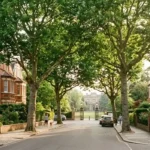

Community gardens bring people together while creating greener, healthier, and more welcoming neighbourhoods. They offer peaceful spaces where visitors can admire colourful flowers, grow fresh produce, support local wildlife, and experience the community spirit that makes an area unique. Across Ealing, these gardens have become treasured destinations for both residents and visitors seeking a quieter side of West London.
Known as the “Queen of the Suburbs,” Ealing is celebrated for its abundance of parks, tree-lined streets, and attractive open spaces. Alongside its larger public parks, the borough is home to several beautiful community gardens that showcase sustainable gardening, biodiversity, volunteer initiatives, and local creativity. These green spaces provide opportunities to relax, learn about nature, meet local people, and enjoy seasonal displays throughout the year.
Whether you are a tourist looking to explore beyond London’s famous landmarks or a local resident searching for a peaceful afternoon destination, Ealing’s community gardens offer rewarding experiences for every age group. This guide explores some of the borough’s most beautiful community gardens, explains what makes each one special, and provides practical tips for making the most of your visit.
Why Community Gardens Matter in Ealing
Community gardens are much more than attractive green spaces. They strengthen neighbourhood relationships, encourage environmental responsibility, and improve physical and mental wellbeing. Volunteers often work together to maintain flower beds, vegetable plots, wildlife habitats, and educational spaces that benefit everyone.
In Ealing, these gardens also contribute to local biodiversity by supporting bees, butterflies, birds, and other pollinators. Native plants, wildflowers, and carefully managed habitats create healthier ecosystems while making the borough more resilient to changing environmental conditions.
Visitors benefit equally. Spending time among flowers, trees, and peaceful surroundings helps reduce stress while providing opportunities to enjoy nature without leaving London.
Brent Lodge Park Community Garden
One of the most enjoyable places to experience community gardening is Brent Lodge Park. Already popular for its open green spaces and family attractions, the park also includes community gardening projects that encourage environmental education and local involvement.
Visitors can explore colourful planting areas filled with seasonal flowers, herbs, shrubs, and wildlife-friendly vegetation. Educational activities frequently introduce children and adults to sustainable gardening techniques, composting, and biodiversity.
The nearby Hanwell Zoo makes this location particularly attractive for families, allowing visitors to combine wildlife experiences with relaxing walks through attractive landscaped gardens.
Throughout spring and summer, flowering plants attract butterflies and bees, while autumn introduces changing colours that create beautiful photographic opportunities.
Churchfields Community Garden
Churchfields Community Garden has become an important meeting place for local residents who enjoy gardening, conservation, and outdoor activities. Maintained through community involvement, the garden demonstrates how shared effort can transform urban spaces into welcoming environments.
Raised planting beds, fruit trees, flowering borders, and seating areas provide pleasant surroundings for visitors who simply want to relax and appreciate nature. Many volunteers actively share gardening knowledge with newcomers, making the garden an inspiring place for anyone interested in growing plants at home.
Community events, seasonal planting sessions, and environmental workshops also encourage greater participation throughout the year.
Cultivate London Growing Spaces
Cultivate London has established several growing projects across Ealing that combine food production with environmental education and community engagement. These gardens demonstrate how unused urban spaces can become productive landscapes that benefit both people and wildlife.
Visitors may discover vegetable plots, herb gardens, fruit bushes, composting systems, rainwater collection, and pollinator-friendly flower beds. Many projects also support local food initiatives while teaching practical gardening skills.
These growing spaces highlight sustainable urban agriculture and encourage visitors to think differently about green spaces within modern cities.
For tourists interested in sustainability and local initiatives, Cultivate London’s projects offer a unique perspective on everyday life in Ealing.
Walpole Park’s Ornamental Gardens
Although primarily known as one of Ealing’s most famous public parks, Walpole Park features beautifully maintained ornamental gardens that provide many of the qualities visitors seek in community green spaces.
Seasonal flower displays, mature trees, carefully designed planting schemes, and peaceful walking paths create relaxing surroundings throughout the year. Volunteers and local organisations regularly support conservation efforts that help preserve the park’s horticultural beauty.
The gardens complement nearby Pitzhanger Manor, allowing visitors to combine cultural heritage with tranquil outdoor experiences during a single visit.
Many photographers, artists, and nature enthusiasts choose Walpole Park because every season brings new colours and changing landscapes.
Blondin Park Community Garden
Blondin Park offers one of Ealing’s most welcoming community environments. Alongside its recreational facilities, the park includes attractive community-managed planting areas that celebrate seasonal flowers and environmentally friendly gardening.
Volunteers work throughout the year to maintain flower beds, improve biodiversity, and create welcoming spaces for local families. The combination of ornamental planting, open lawns, and mature trees provides peaceful surroundings for reading, picnicking, or simply enjoying fresh air.
Children often learn about plants and wildlife through community events organised within the park, helping younger generations develop an appreciation for nature.
Hanwell Community Gardens and Local Green Projects
Hanwell contains several smaller community gardening initiatives that demonstrate the area’s strong neighbourhood spirit. Local residents actively maintain flower beds, shared planting spaces, and wildlife-friendly gardens that enhance public spaces across the neighbourhood.
These gardens may not always appear on traditional tourist itineraries, but they provide authentic opportunities to experience local life while appreciating carefully maintained landscapes.
Walking through Hanwell allows visitors to discover hidden pockets of greenery surrounded by historic streets, independent cafés, and riverside scenery near the Grand Union Canal and Brent River.
Many returning visitors appreciate these quieter locations because they reveal a different side of Ealing beyond its larger attractions.
Seasonal Beauty Throughout the Year
One of the greatest advantages of visiting Ealing’s community gardens is that every season offers something unique.
Spring introduces colourful tulips, daffodils, blossom trees, and fresh greenery. Pollinating insects become increasingly active while birds begin nesting among shrubs and mature trees.
Summer brings vibrant flower borders, thriving vegetable gardens, herbs, roses, and outdoor community events. Warm weather encourages longer visits, photography, and family activities.
Autumn transforms gardens with rich shades of gold, orange, and crimson. Harvest displays, seed collection, and changing foliage create attractive scenery while preparing gardens for winter.
Winter reveals a quieter beauty through evergreen planting, ornamental grasses, winter berries, and carefully structured landscapes. Many gardens remain peaceful places for reflective walks even during colder months.
Wildlife You Can Expect to See
Community gardens support an impressive variety of wildlife despite being located within Greater London.
Visitors frequently observe honeybees, bumblebees, butterflies, ladybirds, dragonflies, robins, blackbirds, blue tits, goldfinches, and wood pigeons. Native flowering plants provide valuable nectar sources while shrubs offer nesting opportunities for birds.
Some gardens also include insect hotels, bird boxes, ponds, and log piles that create habitats for frogs, hedgehogs, and beneficial insects.
These features make community gardens enjoyable destinations for wildlife photography, birdwatching, and environmental education.
Tips for Visiting Community Gardens
Respecting community gardens helps ensure they remain enjoyable for everyone. Staying on designated paths, avoiding damage to planting beds, and following any site guidance supports ongoing conservation efforts.
Bringing reusable water bottles, comfortable walking shoes, and cameras allows visitors to enjoy longer visits while minimising environmental impact. Many gardens welcome responsible photography but encourage visitors not to disturb wildlife or volunteers at work.
Checking seasonal opening times and community event schedules before visiting may also help you experience gardening workshops, plant sales, or guided tours.
Combining Community Gardens with Other Ealing Attractions
Many of Ealing’s community gardens are located close to popular attractions, making them easy to include within a full day of sightseeing.
Visitors can explore Pitzhanger Manor after enjoying Walpole Park, visit Hanwell Zoo alongside Brent Lodge Park, or combine community gardens with walks along the Brent River, local cafés, independent shops, and Ealing Broadway.
These combinations create well-balanced itineraries that mix culture, nature, relaxation, and local experiences.
Ealing’s community gardens demonstrate how shared green spaces enrich neighbourhood life while creating welcoming environments for everyone. Through volunteer dedication, sustainable gardening, and thoughtful design, these gardens support biodiversity, encourage community involvement, and provide peaceful places to relax throughout every season.
Whether you choose the ornamental beauty of Walpole Park, the educational growing spaces created by Cultivate London, the welcoming atmosphere of Blondin Park, or the neighbourhood initiatives found across Hanwell and Churchfields, every visit offers opportunities to connect with nature and discover another side of Ealing.
For worldwide tourists and local residents alike, exploring these beautiful community gardens provides memorable experiences that celebrate the borough’s commitment to greener, healthier, and more connected communities.
Frequently Asked Questions
Which community garden is best for first-time visitors to Ealing?
Walpole Park and Brent Lodge Park are excellent starting points because they combine attractive gardens with nearby attractions and convenient transport links.
Are Ealing’s community gardens free to visit?
Many community gardens and public green spaces across Ealing are free to enter, although special workshops or events may occasionally require booking.
Can children enjoy Ealing’s community gardens?
Yes. Many gardens offer family-friendly environments with educational activities, wildlife observation, and opportunities to learn about plants and nature.
What is the best time of year to visit Ealing’s community gardens?
Spring and summer offer the most colourful displays, but autumn foliage and peaceful winter landscapes also make worthwhile visits.
Are community gardens suitable for photography?
Absolutely. Seasonal flowers, wildlife, historic surroundings, and landscaped planting provide excellent opportunities for nature and landscape photography.
How do community gardens support local wildlife?
They provide food, shelter, and breeding habitats through native plants, pollinator-friendly flowers, ponds, bird boxes, and sustainable gardening practices.
Can visitors participate in community gardening projects?
Many community gardens welcome volunteers for planting sessions, conservation projects, educational workshops, and seasonal community events.