
Spring transforms Ealing into one of West London’s most colourful destinations. While many visitors head straight to the borough’s famous green spaces, some of the most spectacular floral displays can be found beyond the well-known parks. Quiet residential gardens, historic churchyards, tree-lined avenues, community spaces, nature reserves, canal paths, and hidden public gardens burst into life with blossoms that often go unnoticed by tourists.
Whether you are a keen photographer, a nature enthusiast, a family looking for a peaceful afternoon, or a traveller hoping to experience a different side of London, exploring these lesser-known spring flower displays offers a rewarding experience. The diversity of flowers, carefully maintained landscapes, and local conservation efforts reveal why Ealing has earned its reputation as one of London’s greenest boroughs.
This guide explores beautiful spring flower locations beyond the popular parks while highlighting the plants, wildlife, seasonal changes, and local communities that help these colourful spaces flourish every year.
Why Explore Spring Flowers Beyond Ealing’s Popular Parks?
Most visitors immediately think of large public parks when searching for spring blooms. While these parks certainly deserve attention, Ealing’s quieter locations often provide equally stunning displays without the larger crowds.
Smaller green spaces create opportunities to appreciate flowers at a slower pace. Visitors can hear birdsong, observe pollinating insects, and enjoy peaceful surroundings where seasonal planting becomes the main attraction. These hidden floral gems also showcase the dedication of local gardening groups, volunteers, and conservation organisations that work throughout the year to maintain beautiful public spaces.
Exploring beyond the obvious destinations also introduces visitors to different neighbourhoods, historic streets, and charming corners of Ealing that many tourists never experience.
How Spring Changes Ealing’s Landscape
Spring arrives gradually across Ealing, usually beginning with early bulbs appearing in late February before reaching peak colour during April and May.
Snowdrops are often the first sign that winter is ending. Soon afterwards, crocuses create carpets of purple, white, and yellow beneath mature trees. Daffodils brighten roadsides and community gardens, while tulips, bluebells, magnolias, cherry blossoms, and flowering shrubs gradually transform the borough into a vibrant landscape.
This seasonal progression supports local biodiversity by providing nectar for bees, butterflies, hoverflies, and other pollinating insects emerging after winter.
For photographers, every stage of spring offers new opportunities, making repeated visits worthwhile throughout the season.
Hidden Residential Gardens Full of Seasonal Colour
Some of Ealing’s most attractive flower displays are found within residential neighbourhoods rather than formal attractions.
Areas including Pitshanger Village, Northfields, Hanwell, and parts of Ealing Broadway feature carefully maintained front gardens overflowing with spring bulbs, flowering trees, climbing plants, and colourful borders.
Walking through these streets during spring reveals beautifully coordinated planting schemes where residents combine traditional English cottage garden flowers with ornamental shrubs and flowering hedges.
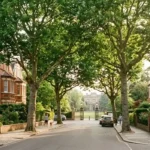
Cherry trees lining quiet roads create spectacular blossom tunnels, while magnolias produce elegant pink and white flowers that attract visitors searching for peaceful photography locations.
Although these are residential areas, respectful visitors can enjoy the colourful surroundings while appreciating the pride local communities take in maintaining their neighbourhoods.
Historic Churchyards Filled with Spring Flowers
Churchyards are often overlooked when planning a spring walk, yet many contain remarkable seasonal displays.
Historic churches across Ealing are surrounded by mature trees, wildflower patches, ancient stone walls, and carefully maintained gardens that become especially beautiful during spring.
Snowdrops frequently appear beneath centuries-old trees before giving way to daffodils and native woodland flowers. Bluebells may also thrive in shaded corners where conditions closely resemble ancient woodland habitats.
Because churchyards receive relatively few visitors compared with larger parks, they provide peaceful places for reflection while offering excellent opportunities to observe seasonal flowers and birds.
These historic settings also combine architecture, heritage, and nature, creating an experience that appeals to both history enthusiasts and garden lovers.
Community Gardens That Celebrate Local Biodiversity
Community gardens have become increasingly important across Ealing.
Maintained by volunteers, local organisations, schools, and neighbourhood groups, these gardens support wildlife while providing colourful public spaces that everyone can enjoy.
Unlike ornamental formal gardens, community planting often focuses on biodiversity. Native wildflowers grow alongside traditional garden favourites, encouraging bees, butterflies, ladybirds, and other beneficial insects.
Many community gardens include information boards explaining the importance of pollinators, sustainable gardening, composting, and seasonal planting.
Visitors interested in environmentally friendly gardening often find these locations both educational and inspiring.
Canal Paths Lined with Wildflowers
The Grand Union Canal passes through parts of Ealing, creating peaceful waterside environments that support diverse plant life.
During spring, canal banks become decorated with wildflowers including cow parsley, primroses, forget-me-nots, buttercups, and flowering grasses.
These natural displays differ significantly from carefully designed gardens because they develop through ecological processes supported by conservation management.
Walking along canal towpaths offers changing scenery where colourful flowers are complemented by narrowboats, bridges, aquatic birds, and mature trees.
Early morning walks are particularly rewarding when sunlight reflects across the water and wildlife activity reaches its peak.
Quiet Nature Reserves Bursting with Native Blooms
Several of Ealing’s quieter nature reserves provide outstanding opportunities to experience native British wildflowers.
Unlike formal gardens, these protected habitats allow plants to grow naturally, supporting complex ecosystems that include insects, birds, mammals, fungi, and microorganisms.
Woodland edges often become covered with bluebells, wood anemones, primroses, and violets. Open grasslands support colourful meadow flowers that continue flowering well into early summer.
Visitors who enjoy birdwatching frequently combine flower walks with wildlife observation, as spring migration brings additional species into these habitats.
Nature reserves also demonstrate how protecting native vegetation benefits both biodiversity and public enjoyment.
Streets That Become Blossom Avenues
Not every memorable flower display requires entering a garden.
Many streets throughout Ealing become spectacular blossom avenues during spring thanks to carefully planted ornamental trees.
Cherry blossoms create delicate pink canopies that attract photographers from across London. Pear trees produce elegant white flowers, while flowering crab apples add vibrant colour to residential roads.
These blossom-lined streets offer wonderful opportunities for relaxed walks, cycling, and neighbourhood exploration without following traditional tourist routes.
Because blossom season lasts only a few weeks, timing visits carefully allows travellers to experience one of Ealing’s most photogenic seasonal attractions.
Schools and Public Buildings with Seasonal Planting
Many schools, libraries, health centres, and public buildings across Ealing invest in attractive landscaping that becomes especially colourful during spring.
Flower beds planted with tulips, pansies, hyacinths, wallflowers, and daffodils brighten public spaces while creating welcoming environments for residents and visitors alike.
These displays demonstrate how thoughtful urban planting improves wellbeing, supports wildlife, and enhances everyday community life.
Public landscaping also reflects Ealing’s long-standing commitment to maintaining attractive streetscapes despite ongoing urban development.
Woodland Walks Rich with Native Spring Flowers
Ealing’s woodland areas offer a completely different floral experience from formal gardens. Instead of carefully arranged flower beds, visitors discover natural carpets of native plants that have flourished for generations.
During early spring, woodland floors gradually fill with snowdrops before bluebells, wood anemones, celandines, primroses, and violets take over. Mature oak, beech, ash, and hornbeam trees provide the ideal canopy for these delicate woodland species to thrive.
Walking through these shaded paths offers a peaceful escape from London’s busy streets. The combination of birdsong, fresh spring air, flowering woodland plants, and emerging green leaves creates an immersive nature experience that changes almost weekly throughout the season.
Hidden Courtyards and Historic Buildings with Seasonal Displays
Some of Ealing’s most attractive spring flowers are found around historic buildings, civic spaces, and quiet courtyards that many visitors simply walk past.
Carefully maintained planters, climbing roses beginning their annual growth, ornamental shrubs, flowering bulbs, and decorative borders add colour to heritage buildings across the borough. These smaller displays may not attract the same attention as famous parks, but together they contribute significantly to Ealing’s spring character.
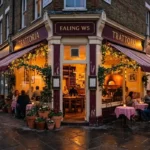
Visitors exploring local cafés, independent shops, or historic streets often discover unexpected pockets of colour that make leisurely walks even more enjoyable.
Wildlife Thrives Alongside Spring Flowers
Spring flowers do far more than brighten the landscape. They provide vital food sources for wildlife emerging after winter.
Early flowering plants supply nectar and pollen to honeybees, bumblebees, solitary bees, butterflies, hoverflies, and other pollinating insects. These insects, in turn, support birds and other wildlife throughout the borough’s ecosystems.
Blackbirds, robins, blue tits, great tits, goldfinches, wrens, and song thrushes are frequently seen among flowering trees and shrubs during spring mornings.
By protecting diverse flowering habitats, Ealing helps maintain healthy ecosystems that benefit both wildlife and local communities.
The Best Time to Enjoy Spring Flower Displays
Spring colour develops gradually rather than appearing all at once.
Late February often introduces snowdrops and early crocuses. March brings larger displays of daffodils, flowering shrubs, and magnolias. April is typically the peak month for cherry blossom, tulips, bluebells, and ornamental trees. During May, many gardens continue flourishing with alliums, late tulips, wildflowers, and flowering hedgerows.
Because each species flowers at different times, visitors who return several times during spring experience completely different landscapes throughout the season.
Weather conditions also influence flowering periods, making every spring slightly unique.
Photography Tips for Capturing Ealing’s Spring Beauty
Spring is one of the most rewarding seasons for landscape photography.
Early morning provides soft natural light, fewer people, and calm weather conditions that help capture detailed flower photographs. Late afternoon also offers warm lighting that enhances blossom colours.
Photographers should avoid walking through flower beds or disturbing wildlife while searching for the perfect angle. Staying on designated paths protects delicate plants and preserves these beautiful displays for future visitors.
Wide landscape photographs work well in blossom avenues, while close-up images highlight intricate flower details, textures, and colours.
Sustainable Ways to Enjoy Ealing’s Floral Displays
Responsible tourism helps ensure these beautiful locations remain attractive every spring.
Visitors should avoid picking flowers, remain on established paths where possible, dispose of litter responsibly, and respect residential neighbourhoods when photographing private gardens from public spaces.
Supporting independent cafés, local garden centres, community events, and nearby businesses also contributes positively to Ealing’s economy while encouraging continued investment in public green spaces.
Those travelling by public transport, cycling, or walking further reduce their environmental impact while enjoying a slower and more relaxing exploration of the borough.
A Wonderful Spring Walking Route
One enjoyable way to experience Ealing’s hidden spring flowers is by combining several locations into a leisurely walking day.
Begin in Ealing Broadway before exploring nearby residential streets filled with blossom trees. Continue towards historic churchyards where early spring flowers bloom beneath ancient trees. Follow quieter roads towards community gardens before reaching the Grand Union Canal for waterside wildflowers.
Finish the day exploring woodland paths or one of Ealing’s peaceful nature reserves, where native British flowers create colourful natural landscapes rarely experienced by first-time visitors.
This varied route combines history, architecture, biodiversity, photography, and seasonal beauty into one memorable spring outing.
Why Hidden Spring Flower Displays Reveal Ealing’s True Character
The famous parks undoubtedly deserve their popularity, but they represent only one part of Ealing’s rich natural heritage.
Beyond these well-known attractions lies a network of peaceful gardens, historic churchyards, blossom-lined streets, woodland habitats, canal paths, community spaces, and nature reserves that collectively showcase the borough’s remarkable commitment to green living.
These quieter locations allow visitors to appreciate seasonal change without crowds while discovering neighbourhoods that reflect Ealing’s welcoming community spirit.
Whether you are visiting London for the first time or have lived in Ealing for many years, exploring these hidden spring flower displays offers fresh perspectives every season. Each blooming tree, colourful border, and wildflower meadow demonstrates how nature continues to flourish alongside urban life, making Ealing one of West London’s most rewarding destinations for springtime exploration.
Frequently Asked Questions
Where can I see spring flowers in Ealing besides the main parks?
You can explore residential gardens, historic churchyards, community gardens, canal paths, woodland walks, blossom-lined streets, and local nature reserves across Ealing.
When is the best time to visit Ealing for spring flowers?
The best period is from late March to early May, although different flowers bloom from late February through May.
Which flowers are commonly seen during spring in Ealing?
Visitors can enjoy snowdrops, crocuses, daffodils, tulips, bluebells, cherry blossom, magnolias, primroses, wood anemones, violets, and flowering shrubs.
Are Ealing’s hidden flower locations suitable for photography?
Yes. Many quieter streets, canal paths, churchyards, woodland areas, and community gardens provide excellent photography opportunities, especially during early morning and late afternoon.
Can families enjoy these spring flower walks?
Absolutely. Many walking routes are family-friendly and combine flowers, wildlife, open spaces, and educational opportunities about local nature.
Do spring flowers support wildlife in Ealing?
Yes. Spring blooms provide essential nectar and pollen for bees, butterflies, hoverflies, and many other pollinating insects, helping maintain healthy ecosystems.
Why should visitors explore beyond Ealing’s popular parks?
Exploring lesser-known locations offers quieter experiences, diverse flower displays, unique neighbourhoods, rich biodiversity, and a deeper appreciation of Ealing’s natural and community heritage.