
Ealing is often celebrated for its leafy streets, elegant architecture and famous film heritage, yet its most fascinating story lies in its transformation over centuries. What began as a small rural settlement on the outskirts of London has evolved into one of the capital’s most desirable and culturally rich boroughs. This remarkable journey reflects broader changes in British history, including agricultural development, Victorian expansion, railway growth, suburban planning and modern multicultural urban life.
For international tourists, understanding Ealing’s evolution provides context that makes every park, high street and historic building more meaningful. For local residents, it offers a deeper appreciation of how their community became the vibrant West London destination it is today. Exploring Ealing through its historical development reveals not only famous landmarks but also the people, industries and social movements that shaped its unique identity.
What Was Ealing Like Before It Became Part of Modern London?
Long before the arrival of bustling shopping centres and underground stations, Ealing was a quiet agricultural village surrounded by fields, orchards and open countryside. Historical records suggest settlement in the area dates back many centuries, with references appearing in medieval documents.
The village developed around parish life, farming and local trade. St Mary’s Church became an important focal point for community activity, while surrounding farmland supported generations of residents. Travellers moving between London and western counties would pass through the area, but Ealing remained distinctly rural for much of its early history.
This village character is still visible today in certain conservation areas, where historic street patterns and period buildings preserve echoes of Ealing’s agricultural past.
How Did Ealing Earn the Title “Queen of the Suburbs”?
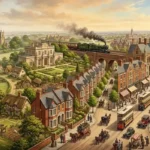
Ealing’s transformation accelerated dramatically during the nineteenth century. The arrival of the Great Western Railway connected the area more efficiently with central London, making it increasingly attractive to professionals seeking healthier living conditions away from the crowded industrial city.
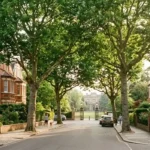
Victorian planners and developers recognised Ealing’s potential as an ideal suburban community. Wide tree-lined avenues, generous green spaces and elegant residential architecture distinguished it from denser urban districts. The nickname “Queen of the Suburbs” emerged because Ealing was seen as a model of thoughtful suburban design, combining accessibility with environmental quality.
This reputation continues to influence perceptions of the borough today. Visitors often notice the unusual abundance of mature trees, spacious parks and attractive residential streets that originated during this period of expansion.
The Railway Revolution That Changed Everything
Transportation played a decisive role in Ealing’s development. Before reliable rail connections, commuting to London was time-consuming and impractical for many people. The railway transformed Ealing from a relatively isolated village into a connected suburban centre.
New stations encouraged residential growth, commercial investment and population expansion. Areas such as Ealing Broadway became important transport hubs, attracting shops, businesses and public institutions. Improved accessibility also brought architects, entrepreneurs and cultural figures who contributed to the borough’s emerging identity.
The impact of the railway can still be seen in the layout of modern Ealing, where many neighbourhoods developed around transport corridors established during the Victorian era.
Victorian and Edwardian Architecture That Defines Ealing Today
One of the most visible legacies of Ealing’s growth is its extraordinary collection of Victorian and Edwardian architecture. Grand villas, terraced houses, civic buildings and churches were constructed during periods of prosperity and confidence.
Walking through neighbourhoods such as Ealing Green, Pitshanger, Northfields and Hanwell reveals intricate brickwork, decorative gables, stained glass and carefully planned streetscapes. These architectural details tell the story of a community that valued aesthetics, craftsmanship and quality of life.
For photographers, history enthusiasts and architecture lovers, these streets provide a living museum of British suburban design from the late nineteenth and early twentieth centuries.
The Creation of Ealing’s Famous Green Spaces
Ealing’s reputation as one of London’s greenest boroughs was not accidental. Civic leaders deliberately preserved and developed parks as essential components of urban life.
Walpole Park, Lammas Park, Gunnersbury Park and other public spaces offered residents opportunities for recreation, social interaction and relief from increasing urbanisation. These parks hosted concerts, sporting events, community gatherings and educational activities that strengthened local identity.
Today, they remain among Ealing’s greatest assets. International visitors are often surprised by the scale and quality of these green spaces within a major global city, while residents continue to use them as central gathering places throughout the year.
Ealing’s Pioneering Role in British Cinema
Few suburban districts have had a greater impact on British film culture than Ealing. The establishment of Ealing Studios in the early twentieth century positioned the borough at the centre of the nation’s cinematic development.
The studio became internationally famous for classic British comedies, including films associated with the celebrated “Ealing comedy” tradition. Directors, actors, writers and technicians worked in the area, creating productions that shaped perceptions of British humour and storytelling for generations.
This film heritage extends beyond the studio itself. Local streets, parks and buildings have appeared in numerous productions, making Ealing a fascinating destination for cinema enthusiasts exploring Britain’s creative history.
How World Wars Influenced Ealing’s Development
Like much of Britain, Ealing was profoundly affected by both World Wars. Residents served in the armed forces, local organisations supported wartime efforts and the community adapted to changing national circumstances.
Memorials, plaques and commemorative sites across the borough honour those who contributed during these difficult periods. Post-war reconstruction also influenced housing policy, public infrastructure and social services, shaping the modern borough that emerged in the second half of the twentieth century.
Understanding this wartime legacy helps explain many civic institutions and community traditions that remain important in Ealing today.
The Rise of a Diverse and Multicultural Borough
One of the most significant chapters in Ealing’s modern history has been the growth of its multicultural population. Successive waves of migration from across Europe, South Asia, Africa, the Caribbean and the Middle East have transformed the borough into one of London’s most diverse communities.
Areas such as Southall became internationally recognised centres of South Asian culture, cuisine, music and commerce. Rather than replacing existing traditions, these communities enriched Ealing’s cultural landscape, creating a unique blend of heritage and contemporary urban life.
Visitors can experience this diversity through local markets, restaurants, festivals, places of worship and community events that reflect the borough’s global connections.
Ealing Broadway and the Modern Urban Renaissance
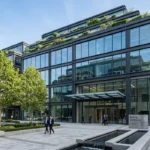
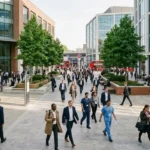
Recent decades have brought significant investment in Ealing Broadway and surrounding areas. New residential developments, retail improvements, public realm enhancements and transport upgrades have strengthened Ealing’s position as a major West London destination.
The arrival of the Elizabeth line has further improved connectivity, making journeys to central London, Heathrow Airport and other key locations faster and more convenient. This enhanced accessibility has attracted businesses, students, professionals and international visitors.
Despite modern development, Ealing has generally retained its distinctive suburban character more successfully than many rapidly changing London districts.
Why Ealing Appeals to Today’s Travellers
Modern travellers increasingly seek destinations that offer authenticity, walkability and local culture rather than only famous landmarks. Ealing aligns perfectly with these preferences.
Visitors can explore historic streets, relax in beautiful parks, discover independent cafés, attend community events, experience multicultural cuisine and access central London easily when desired. This combination makes Ealing particularly attractive for longer stays and slow-travel experiences.
Families appreciate the green spaces and relaxed atmosphere, while solo travellers often enjoy the safety, accessibility and opportunities for genuine interaction with local communities.
A Practical Historical Walking Route Through Ealing
Travellers wanting to experience Ealing’s journey firsthand can follow a simple historical route. Begin at Ealing Broadway to observe the modern commercial centre and transport hub. Continue to Ealing Green, where historic buildings reveal the borough’s village origins.
Visit Walpole Park and Pitzhanger Manor to explore Georgian and Victorian heritage, then walk through residential conservation areas showcasing Edwardian suburban design. Finish by discovering local cafés, independent shops and community spaces that represent contemporary Ealing’s vibrant multicultural identity.
This route demonstrates how different historical periods coexist within a relatively compact area.
What Makes Ealing Different From Other London Boroughs?
Many London districts possess historic buildings or cultural attractions, but Ealing’s distinction lies in the continuity of its development. The borough successfully combines village heritage, Victorian planning, cinematic significance, abundant green space and modern multicultural vitality.
Rather than being dominated by a single landmark, Ealing offers a layered experience where history is integrated into everyday life. Residents commute through streets lined with period architecture, families gather in parks created during Victorian expansion and visitors enjoy cuisines reflecting global migration patterns.
This balance between preservation and evolution gives Ealing a character that feels both historically grounded and dynamically contemporary.
The Continuing Story of Ealing
Ealing’s journey is not merely a story of the past; it is an ongoing process of adaptation and renewal. New businesses open alongside historic establishments, contemporary developments emerge near conservation areas and diverse communities continue contributing fresh ideas and traditions.
The borough’s ability to evolve while maintaining its essential character is perhaps its greatest achievement. From medieval village to railway suburb, from cinematic powerhouse to modern multicultural destination, Ealing has repeatedly reinvented itself without losing the qualities that make it distinctive.
For anyone exploring West London, understanding this remarkable journey transforms Ealing from a pleasant suburban district into a compelling historical narrative spanning centuries of British social, cultural and urban development.
Frequently Asked Questions
When did Ealing change from a village into a London suburb?
Ealing’s major transformation occurred during the nineteenth century, particularly after the arrival of the Great Western Railway, which connected the area more efficiently with central London.
Why is Ealing called the “Queen of the Suburbs”?
The nickname emerged during the Victorian era because Ealing was considered a model suburban community with tree-lined streets, spacious parks, elegant architecture and high living standards.
What is Ealing Studios famous for?
Ealing Studios is famous for producing classic British films, especially the celebrated Ealing comedies that became iconic examples of British cinema and humour.
Which historic areas should visitors explore in Ealing?
Ealing Green, Pitshanger Village, Northfields, Hanwell conservation areas and the surroundings of Pitzhanger Manor are among the best places to experience Ealing’s historic character.
How has multiculturalism shaped modern Ealing?
Migration from South Asia, Europe, Africa, the Caribbean and other regions has created a diverse cultural landscape reflected in Ealing’s food, festivals, businesses, languages and community life.
Is Ealing a good base for exploring London?
Yes. Ealing offers excellent transport connections through the Underground and Elizabeth line while providing a greener, quieter and more residential atmosphere than central London.
What makes Ealing historically significant compared with other London boroughs?
Ealing is significant for its exceptionally well-preserved suburban architecture, pioneering urban planning, major contribution to British cinema and successful integration of historic heritage with modern multicultural development.